
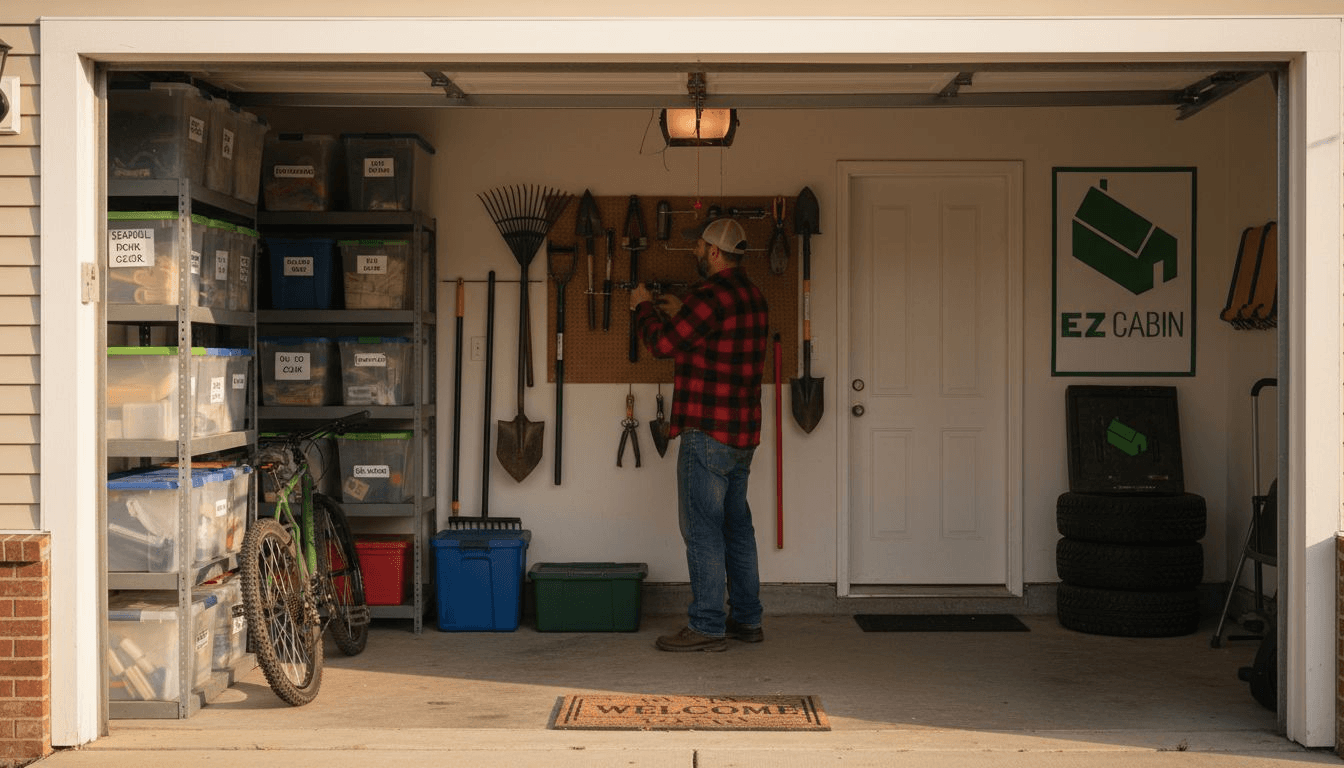
Many homeowners believe garage clutter is just part of life, accepting cramped spaces that barely fit one car, let alone storage or a workspace. That's a costly misconception. Strategic garage space optimization can transform even modest garages into highly functional areas serving multiple purposes simultaneously. Whether you need better storage, a dedicated workshop, or room for hobbies, the right planning unlocks hidden potential in your existing space. Kentucky and Ohio residents face unique climate and layout challenges, but with proven techniques and smart building choices, you can reclaim your garage and dramatically boost its value. This guide walks you through practical strategies to maximize every square foot.
Table of Contents
- Understanding garage space challenges in Kentucky and Ohio
- Choosing the right garage type to optimize your space
- Practical strategies to maximize garage storage and workspace
- Creating multi-functional garage spaces in Kentucky and Ohio
- Summary and actionable next steps
- Explore EZ-Cabin's garage solutions for Kentucky and Ohio homeowners
- Frequently asked questions
Key takeaways
| Point | Details |
|---|---|
| Effective optimization improves storage and usability | Strategic planning transforms cluttered garages into organized, multi-purpose spaces that serve your exact needs. |
| Choosing the right garage type affects space usage | Modular, portable, and custom garages offer different layouts and flexibility for maximizing interior functionality. |
| Multi-functionality maximizes garage value | Designing zones for storage, workspace, and hobbies ensures your garage delivers the highest return on investment. |
| Local Kentucky and Ohio options support practical solutions | Regional providers offer financing, fast delivery, and climate-appropriate designs tailored to your location. |
Understanding garage space challenges in Kentucky and Ohio
Garages across Kentucky and Ohio often suffer from poor planning and inefficient layouts. Homeowners pile seasonal items, tools, and sports equipment without a clear system, leaving barely enough room to park. Climate factors compound the problem. Harsh winters demand space for snow removal gear, while humid summers require ventilation and moisture control to protect stored items. Local building codes and HOA regulations further limit expansion options, forcing residents to work within tight constraints.
Many garages fail because they try to serve conflicting purposes without dedicated zones. Parking competes with storage, and workspace needs clash with both. Traditional garage expansions cost thousands and take months, making them impractical for most budgets. Portable garages save Kentucky & Ohio homeowners 50% compared to conventional construction, offering a faster, more affordable path to additional space.
Common challenges include:
- Inadequate vertical storage leading to floor clutter
- Poor lighting that makes workspaces unusable
- Lack of climate control reducing year-round functionality
- Insufficient electrical outlets for tools and equipment
- No clear separation between parking and activity zones
Pro Tip: Measure your garage dimensions and create a scaled floor plan before buying storage solutions. This prevents costly mistakes and ensures every purchase fits your actual space.
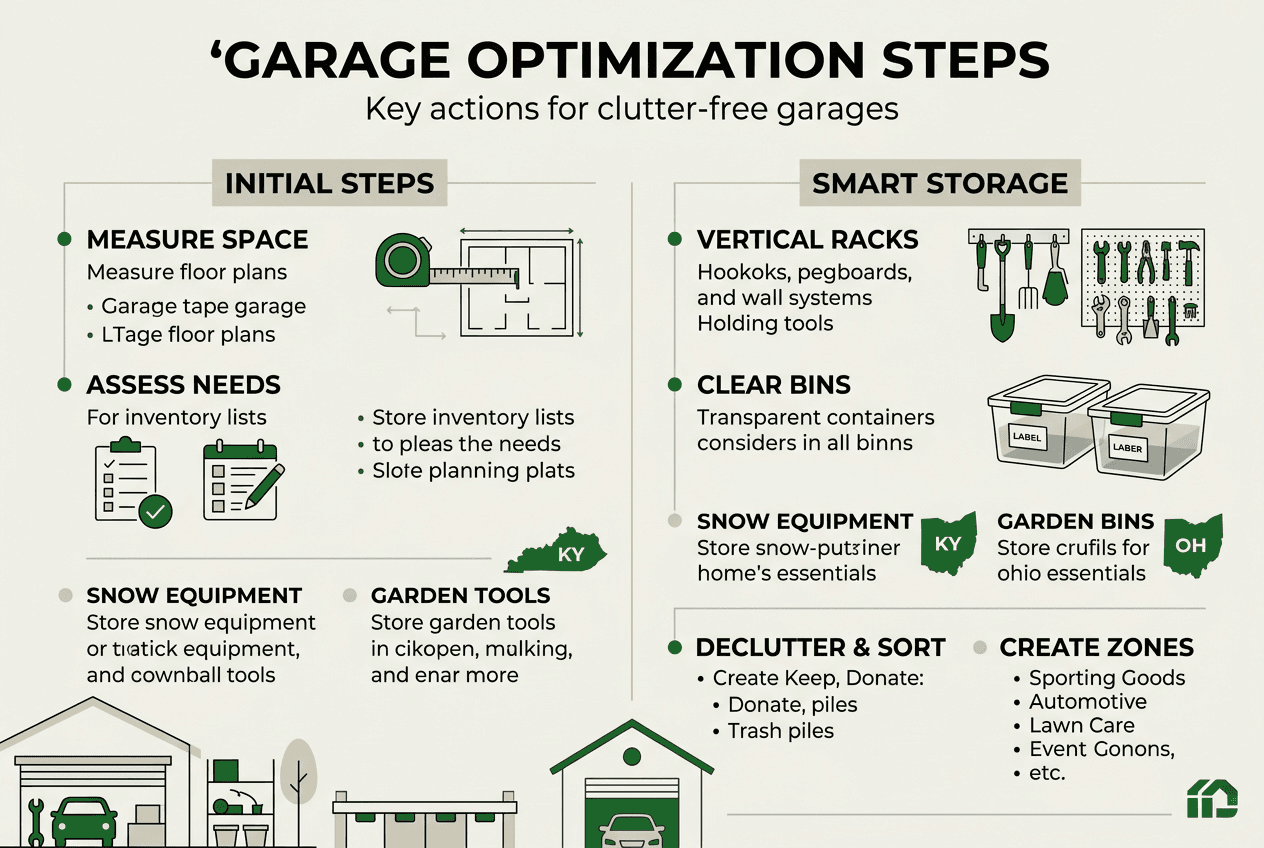
Addressing these challenges starts with honest assessment. Walk through your garage and identify which functions matter most. Do you need parking for two vehicles, or can you sacrifice one bay for a workshop? Will you store bulky items like lawn mowers and kayaks, or primarily smaller tools and boxes? Answering these questions guides every subsequent decision, from shelving systems to building type selection.
Choosing the right garage type to optimize your space
The foundation of garage optimization begins with selecting a structure that matches your functional goals. Four main garage types dominate the market, each offering distinct advantages for space efficiency. Traditional stick-built garages provide maximum customization but require lengthy construction timelines and high costs. Modular garages arrive in prefabricated sections, allowing faster installation and easier expansion later. Portable garages offer the ultimate flexibility, with structures you can relocate or resize as needs change. Custom garages blend elements of all three, tailored precisely to your property and requirements.
Garage building types vary significantly, with warranties ranging from 20 to 50 years depending on materials and construction methods. Modular options typically carry 25 to 30 year warranties, while premium custom builds can reach 50 years. Portable garages generally offer 20 to 25 year coverage, balanced by their lower upfront costs and relocation advantages.
| Garage Type | Installation Time | Customization Level | Typical Warranty | Best For |
|---|---|---|---|---|
| Traditional Stick-Built | 8-12 weeks | Very High | 30-50 years | Permanent additions matching home architecture |
| Modular | 2-4 weeks | High | 25-30 years | Fast deployment with expansion options |
| Portable | 1-2 weeks | Moderate | 20-25 years | Renters or homeowners needing flexibility |
| Custom | 6-10 weeks | Maximum | 30-50 years | Unique layouts or challenging property conditions |
Pro Tip: If you plan to use your garage year-round for hobbies or workspace, prioritize insulation and climate control options during initial construction. Retrofitting these features later costs significantly more.
For multi-functional garage use combining storage, workshop, and occasional living space, modular garages excel. Their prefabricated design incorporates efficient layouts from the start, with pre-wired electrical systems and optimized wall placements that maximize usable floor area. Portable garages work best when you need immediate space solutions or anticipate relocating within a few years. Traditional and custom builds suit homeowners committed to long-term property investment who want architectural continuity with their main residence.
Practical strategies to maximize garage storage and workspace
Transforming a cluttered garage into an organized, functional space requires systematic planning and smart storage solutions. Start by completely emptying your garage and sorting items into four categories: keep and use regularly, keep but use seasonally, donate or sell, and discard. This purge typically eliminates 30 to 40 percent of accumulated items, instantly freeing substantial floor space.
Follow this step-by-step organization method:
- Install vertical shelving units along walls to lift storage off the floor
- Mount ceiling racks for bulky seasonal items like holiday decorations
- Create dedicated zones for parking, active workspace, and long-term storage
- Add pegboards and tool organizers for frequently used equipment
- Label all storage containers clearly for quick identification
- Establish a maintenance schedule to prevent future clutter buildup
Vertical and ceiling storage systems deliver the biggest space gains. Wall-mounted shelving units utilize the often-wasted area between floor and ceiling, while overhead racks take advantage of height that serves no other purpose. Quality systems support 200 to 600 pounds, easily handling heavy bins and equipment. Garage expansion techniques include both physical additions and interior optimization strategies that work together.

Zoning divides your garage into functional areas that don't interfere with each other. Designate one section for vehicle parking with clear floor markings. Allocate another area for active projects, equipped with workbenches and adequate lighting. Reserve a third zone for long-term storage, using the deepest shelves and highest racks. This separation prevents the common problem where one activity gradually consumes the entire space.
Key workspace optimization tactics include:
- Installing bright LED lighting with minimum 4000 lumens per work area
- Positioning workbenches near electrical outlets and windows
- Using mobile tool carts that roll away when not needed
- Mounting fold-down tables that collapse against walls
- Creating tool shadow boards where each item has a marked spot
Pro Tip: Invest in clear storage bins rather than opaque ones. Being able to see contents without opening every container saves time and reduces the temptation to buy duplicates of items you already own but can't find.
Modular shelving systems offer superior flexibility compared to fixed installations. As your needs change, you can reconfigure shelves, add extensions, or relocate entire units. Look for systems with adjustable shelf heights that accommodate items of varying sizes. Heavy-duty wire shelving provides excellent durability and visibility, while solid shelving better protects contents from dust.
Creating multi-functional garage spaces in Kentucky and Ohio
The most valuable garages serve multiple purposes simultaneously without feeling cramped or chaotic. Achieving this balance requires thoughtful design that anticipates how different activities coexist. A garage functioning as storage, workshop, and hobby space needs clear boundaries and flexible elements that adapt to changing priorities throughout the year.
Modular garages excel at multi-functional design because their construction allows easy customization of interior layouts. You can specify partition walls, upgraded electrical systems, and specialized flooring during the ordering process, creating purpose-built zones from day one. This approach costs less than retrofitting a generic garage later.
Effective space division strategies include:
- Using freestanding room dividers or curtains to separate messy workshop areas from clean storage
- Installing different flooring types to visually define zones without permanent walls
- Positioning tall storage units as natural barriers between functional areas
- Creating a climate-controlled section for temperature-sensitive items or hobbies
- Designating a small office nook with desk and internet access for remote work
Common multi-use garage setups demonstrate what's possible in standard spaces. A 20x24 foot garage can comfortably accommodate one vehicle, a full workshop with 8-foot workbench, and substantial storage along two walls. A 24x24 foot garage handles two vehicles, a workshop, and a dedicated hobby area for activities like woodworking or crafts. Larger 24x30 foot garages support all these functions plus a small office or fitness zone.
| Garage Size | Vehicle Capacity | Workshop Space | Storage Capacity | Additional Function |
|---|---|---|---|---|
| 20x20 feet | 1 car | 6-foot bench | 80 sq ft shelving | Small hobby area |
| 20x24 feet | 1 car | 8-foot bench | 120 sq ft shelving | Moderate hobby area |
| 24x24 feet | 2 cars | 8-foot bench | 150 sq ft shelving | Office nook |
| 24x30 feet | 2 cars | 10-foot bench | 200 sq ft shelving | Office plus fitness |
Kentucky and Ohio's climate demands year-round usability considerations. Insulated walls and doors allow comfortable workspace use during winter months, while proper ventilation prevents summer heat buildup. Installing a mini-split heating and cooling system costs $1,500 to $3,000 but transforms a seasonal garage into a true four-season space. Dehumidifiers protect stored items and tools from moisture damage common in humid regions.
Pro Tip: Plan your garage layout around your most frequent activities. If you work on projects weekly but only access seasonal storage monthly, prioritize workshop accessibility over storage convenience.
Adaptable furniture and equipment multiply functionality without consuming extra space. Rolling tool chests move aside when you need floor area for large projects. Fold-down workbenches attach to walls and disappear when not in use. Magnetic strips hold metal tools vertically, freeing drawer space for other items. These flexible solutions let one garage serve many masters without permanent commitment to any single configuration.
Summary and actionable next steps
Garage space optimization combines smart design choices, systematic organization, and the right building type to transform underutilized areas into highly functional spaces. You've learned how Kentucky and Ohio homeowners face unique challenges from climate, regulations, and competing space demands. The solution starts with honest assessment of your needs, followed by strategic selection of garage type and deliberate implementation of storage and workspace systems.
Key strategies to implement immediately:
- Conduct a complete garage inventory and eliminate 30 to 40 percent of unused items
- Measure your space and create a scaled floor plan showing desired zones
- Install vertical shelving and ceiling storage to maximize floor area
- Establish dedicated zones for parking, workspace, and storage that don't overlap
- Consider modular or portable garage options if current space proves inadequate
Start by tackling the organization phase this weekend. Empty one section at a time, sort ruthlessly, and install basic vertical storage before moving to the next area. This incremental approach prevents overwhelming yourself while delivering visible progress that maintains motivation. Once you've optimized your existing space, you'll have clarity on whether you need additional square footage or if better organization solved your challenges.
For homeowners requiring more space, garage ownership in Kentucky and Ohio became significantly easier with no credit check financing options that approve virtually everyone. These programs require only the first month's payment to start, with buildings typically delivered within one to four weeks. This accessibility removes traditional barriers that kept many families stuck with inadequate garage space.
Resources for continued learning include manufacturer websites with garage layout planning tools, local building departments for code requirements, and professional organizers specializing in garage optimization. Many hardware stores offer free design consultations where staff help you select appropriate shelving and storage systems for your specific dimensions and budget.
Pro Tip: Take before photos of your garage before starting optimization work. Documenting your progress provides motivation during the project and creates a valuable reference if you decide to sell your home later, showing potential buyers the transformation you achieved.
The investment in garage optimization pays dividends through improved home functionality, protected vehicle and equipment storage, and increased property value. Buyers consistently rate organized garages as highly desirable features, often willing to pay premiums for homes with well-designed garage spaces. Beyond financial returns, you gain the satisfaction of a space that actually serves your needs rather than frustrating you daily.
Explore EZ-Cabin's garage solutions for Kentucky and Ohio homeowners
Ready to take your garage optimization to the next level? EZ-Cabin specializes in modular and portable garages designed specifically for Kentucky and Ohio conditions. Our buildings arrive ready for immediate use, with customizable layouts that match your exact functional requirements. Whether you need additional storage, a dedicated workshop, or a multi-purpose space, our AI-powered design tools let you visualize and personalize every detail before purchase.

Our rent-to-own program makes garage ownership accessible without traditional financing hurdles. No credit check required, just your first month's payment to get started. Most buildings deliver within one to four weeks, dramatically faster than conventional construction. Browse our complete selection at our shop buildings page, explore flexible financing options that fit any budget, or visit one of our local Kentucky locations to see quality firsthand.
Frequently asked questions
What is garage space optimization?
Garage space optimization means efficiently organizing and adapting a garage to maximize usable storage and workspace. It involves strategic design choices, smart storage solutions, and multi-functional layouts that serve multiple purposes simultaneously. The goal is transforming cluttered, underutilized garages into highly functional spaces that deliver real value to homeowners.
How can modular garages enhance space efficiency?
Modular garages are customizable and designed to fit specific space needs from the factory. They allow fast construction, typically completing within two to four weeks compared to months for traditional builds. Their prefabricated design incorporates efficient layouts and pre-wired systems that maximize interior functionality. You can easily adapt them later by adding sections or reconfiguring interior walls as your needs evolve.
What are effective organization tips for small garages?
Use vertical shelving and ceiling hooks to maximize floor area and lift storage off the ground. Zone your garage to separate parking, storage, and workspaces, preventing one function from consuming everything. Declutter regularly by removing items you haven't used in over a year. Install pegboards and magnetic strips for tools, keeping them visible and accessible. Garage expansion and storage techniques include both physical additions and interior optimization strategies that work together effectively.
Are there financing options for garages in Kentucky and Ohio?
Yes, rent-to-own options with no credit check help many Kentucky and Ohio homeowners secure garages without traditional lending barriers. These programs require only the first month's payment to start, with guaranteed approval for virtually all applicants. Flexible payment plans make upgrades and expansions more feasible, spreading costs over time rather than requiring large upfront investments. Most buildings deliver within one to four weeks of order approval.