
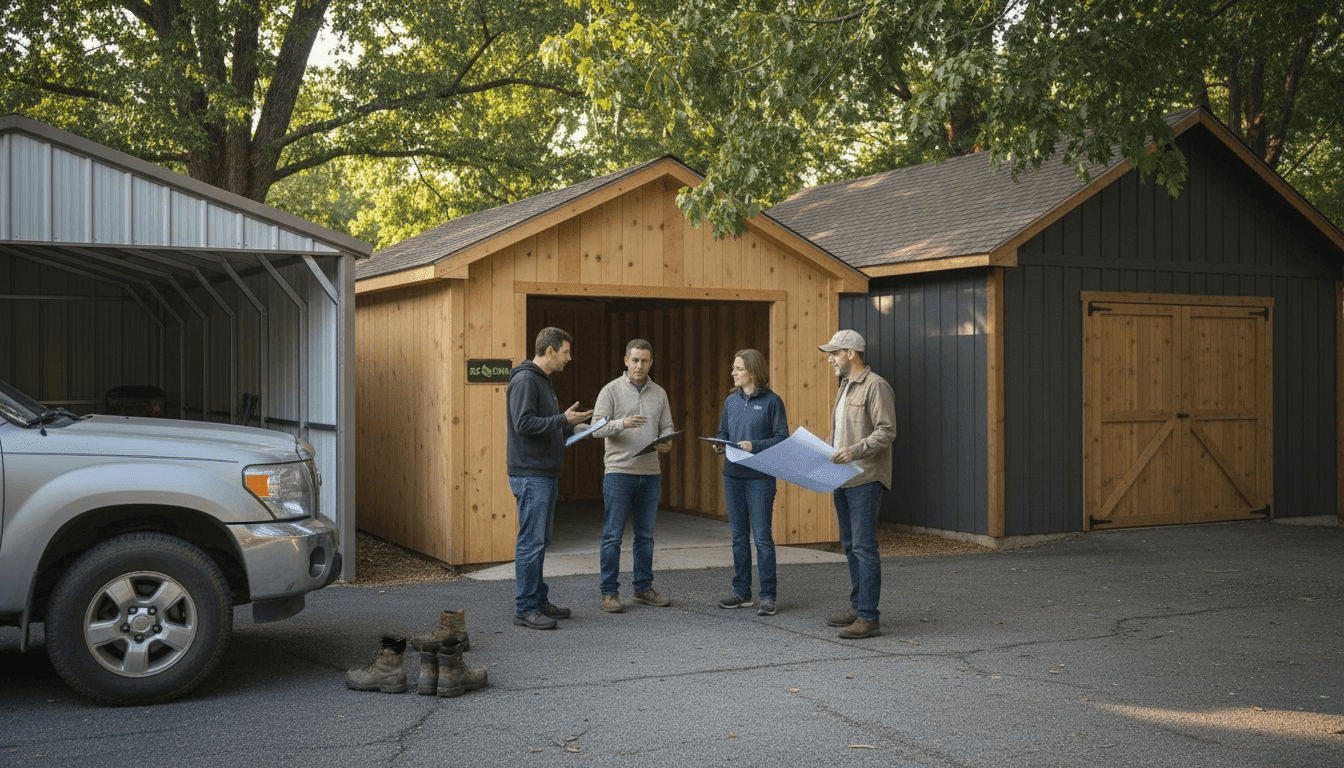
Many Kentucky and Ohio homeowners believe portable garages are flimsy, short-lived structures that lack durability and customization. That misconception overlooks modern engineering advances, metal construction with decades-long warranties, and AI-powered design tools that streamline decisions. This guide defines four main garage types, portable, prefab wood, custom-built, and metal, helping you evaluate materials, financing options like rent-to-own with no credit checks, and delivery timelines so you choose the right solution for your property.
Table of Contents
- Introduction to garage building types
- Materials and durability: what works best for Kentucky and Ohio climates
- Customization and AI-powered design tools
- Financing models and flexible payment options
- Delivery timelines and installation process
- Common misconceptions about garage building types and costs
Key takeaways
| Point | Details |
|---|---|
| Four main garage types | Portable, prefab wood, custom-built, and metal garages each serve distinct homeowner needs and budgets. |
| Material durability varies | Metal garages offer 20 to 50 year warranties, while wood structures require more maintenance in humid climates. |
| AI customization tools | Real-time visualization accelerates design decisions and ensures your garage matches property aesthetics. |
| Flexible financing options | Rent-to-own models with no credit checks require only a first payment, lowering barriers to ownership. |
| Delivery speed differs | Portable and metal garages typically arrive within 1 to 4 weeks, faster than custom builds. |
Introduction to garage building types
Understanding garage types starts with clear definitions. Portable garages are prefabricated structures, often metal or heavy-duty fabric, designed for quick assembly and relocation if needed. They suit homeowners who want fast installation without permanent foundations.
Prefab wooden garages arrive partially prebuilt from the factory, then finished onsite. They offer more customization than portable units, color choices, window placement, door styles, while maintaining shorter timelines than fully custom projects. Many Kentucky and Ohio buyers choose prefab wood when they want a balance between speed and personalization.
Custom-built garages are fully tailored structures constructed entirely onsite. Builders design every detail to your specifications, from roof pitch to siding materials. This option delivers maximum flexibility but requires longer timelines due to design approvals, permitting, and sequential construction phases.
Metal garages use steel framing and panels engineered for strength and weather resistance. They resist rust, pests, and fire better than wood alternatives. Portable garages offer quick delivery and moderate customization, ideal for homeowners needing fast solutions. When shopping, you'll find these categories overlap, some metal garages are portable, while others are custom-engineered, so clarifying your priorities helps narrow choices.
Typical use cases vary by type. Portable garages work well for temporary vehicle storage or seasonal equipment. Prefab wood garages complement traditional home exteriors and provide workshop space. Custom-built garages integrate seamlessly with existing architecture, often including living space above. Metal garages excel in harsh weather zones, offering long-term protection with minimal upkeep.
Pro Tip: Visit shop all garage buildings to compare inventory and visualize options before committing to a style.
Consider how each type fits your property layout, budget, and timeline. Understanding these advantages of garage buildings ensures you invest in the right solution from the start.
Materials and durability: what works best for Kentucky and Ohio climates
Material choice directly impacts how your garage performs through Kentucky and Ohio's freeze-thaw cycles, summer humidity, and occasional severe storms. Metal garages dominate durability rankings. Metal garage kits in Kentucky come with warranties of 20 to 50 years on panels and framing, reflecting resilient engineering against rust, rot, and pest damage.
Wooden garages require regular maintenance to combat moisture intrusion and wood decay. In regions with high humidity, untreated wood can warp, split, or develop mold within a decade. Even pressure-treated lumber demands periodic sealing and paint touch-ups. Expect warranties on wood structures to range from 5 to 15 years, shorter than metal counterparts.
Portable garages often use galvanized steel frames with powder-coated panels or reinforced fabric covers. Quality portable units carry 10 to 15 year warranties on materials, though fabric covers may need replacement sooner in high UV exposure. These structures handle moderate snow loads but may require additional anchoring in wind-prone areas.
Kentucky and Ohio experience temperature swings from below freezing in winter to hot, humid summers. Metal expands and contracts with temperature but remains structurally sound. Wood absorbs moisture during humid months and dries out in winter, stressing joints and fasteners. Homeowners prioritizing low maintenance gravitate toward shop metal garages for this reason.
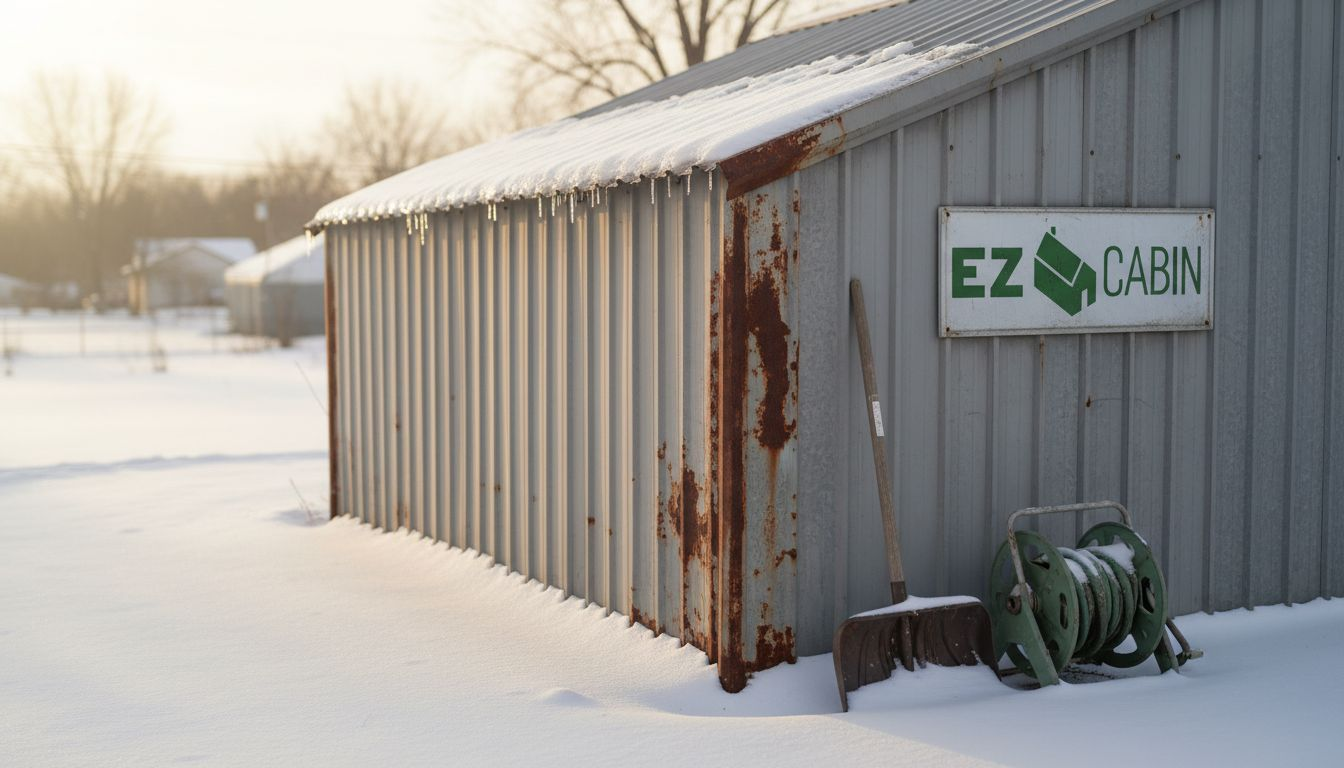
Maintenance expectations influence total cost of ownership. Metal garages need occasional cleaning and fastener checks. Wood garages demand annual inspections, resealing every few years, and potential siding replacement after storms. Factor these recurring expenses into your budget comparison.
Key durability factors:
- Snow load capacity: Metal and engineered wood frames handle heavy snow better than lightweight portable fabric.
- Moisture resistance: Metal and treated wood with proper drainage outlast untreated materials.
- Wind ratings: Anchored metal structures withstand higher wind speeds than temporary fabric covers.
- Fire resistance: Metal garages offer superior fire protection compared to wood or fabric alternatives.
Pro Tip: Request warranty documentation before purchase to verify coverage duration and what components are included, panels, framing, doors, and roofing.
Customization and AI-powered design tools
Customization transforms a generic garage into a tailored asset that complements your home's style and meets specific functional needs. Options span layout adjustments, exterior color palettes, door and window placements, insulation upgrades, and interior finishes. Portable garages offer moderate customization, typically limited to size, color, and door configuration. Prefab wood garages expand choices to include trim styles, roofing materials, and window sizes. Custom-built garages provide unlimited flexibility, though design changes late in the process can delay timelines and increase costs.
AI visualization tools revolutionize how you evaluate options. Instead of relying on static photos or imagination, you preview design changes instantly. Adjust siding color, swap out door styles, or add windows, and see the result in real time. This technology reduces decision fatigue and accelerates the buying process. Homeowners who use AI previews report higher satisfaction because they visualize the final product before committing funds.
Benefits extend beyond aesthetics. Customization ensures your garage fits property dimensions, matches architectural details, and accommodates specific uses like woodworking, vehicle restoration, or home gym space. A well-designed garage enhances curb appeal and property value.
Pro Tip: Use AI previews to compare multiple designs before purchase, saving time and avoiding buyer's remorse.
Common customization options:
- Exterior colors: Choose from dozens of panel and trim color combinations to match your home.
- Door types: Overhead roll-up doors, swing-out carriage doors, or walk-in entry doors with windows.
- Window placement: Add natural light and ventilation where you need it most.
- Insulation: Upgrade for climate control if you plan to use the garage as a workshop or studio.
- Roofing style: Select gable, gambrel, or lean-to roof designs based on aesthetics and snow shedding.
Explore garage customization tools to experiment with configurations risk-free. Many platforms let you save multiple designs and share them with family members for input. This collaborative approach ensures everyone's priorities are considered.
For deeper insights into how customization enhances value, review garage customization advantages. Investing time in design upfront pays dividends in long-term satisfaction and functionality. When comparing customizable garage options, prioritize features that align with your primary use cases rather than chasing every available upgrade.
Financing models and flexible payment options
Financing determines whether a garage project moves forward or stalls. Traditional loans require credit checks, down payments, and lengthy approval processes that exclude many homeowners. Rent-to-own models eliminate these barriers. Rent-to-own models with no credit checks require only a first payment to begin, easing ownership barriers for buyers with limited credit history or past financial challenges.
No credit check options increase accessibility. You provide proof of income and residence, make the first monthly payment, and the garage is delivered. Ownership transfers after completing the payment schedule, typically 36 to 60 months depending on the structure's price. This approach works well for portable and prefab garages where upfront costs range from $3,000 to $15,000.
Traditional financing remains an option for custom-built projects or buyers preferring lower total costs. Banks and credit unions offer garage loans with interest rates tied to your credit score. Approval takes days to weeks, and you'll need a down payment of 10 to 20 percent. Monthly payments are often lower than rent-to-own, but the approval process is more demanding.
Comparing financing impact reveals trade-offs. Rent-to-own provides immediate access with higher total cost due to built-in interest and fees. Traditional loans offer lower total cost but require strong credit and patience. Evaluate your financial situation honestly to choose the path that fits.
Pro Tip: Confirm terms and total cost before committing to rent-to-own plans, including any early payoff discounts or penalties for missed payments.
Financing comparison:
- Rent-to-own: No credit check, first payment starts delivery, higher total cost, flexible approval.
- Traditional loan: Credit check required, lower total cost, longer approval timeline, down payment needed.
- Cash purchase: No interest, immediate ownership, requires full payment upfront, best total value.
Review garage financing options to see current rates and terms. Many providers offer online calculators so you can estimate monthly payments based on garage price and payment duration. Transparency in financing builds trust and helps you budget accurately for your project.
Delivery timelines and installation process
Delivery speed varies dramatically by garage type. Portable and metal garages deliver fastest, often within 1 to 4 weeks after order. Prefab wood garages take moderate time due to partial onsite assembly, usually 4 to 8 weeks. Custom-built garages require the longest timeline, 8 to 16 weeks or more, depending on design complexity, permitting delays, and weather conditions.
Typical delivery for portable and metal garages in Kentucky and Ohio is within 1 to 4 weeks, making them ideal for homeowners with urgent storage needs. Manufacturers stockpile common sizes and configurations, reducing lead times. Once your order is placed, the structure is loaded onto a delivery truck and transported to your property. Installation often completes in a single day.
Installation varies by foundation type and garage size. Portable garages can sit on gravel pads, concrete slabs, or ground anchors. Metal garages typically require concrete footings or piers for stability. Prefab wood garages need level foundations, either concrete or compacted gravel, and may include onsite framing and siding installation. Custom-built garages involve excavation, foundation pouring, framing, roofing, and finishing work spread over weeks.
Typical installation steps:
- Site preparation: Level the ground, remove vegetation, and mark the garage footprint.
- Foundation work: Pour concrete slab or install piers and anchors based on garage type.
- Delivery and placement: Transport the garage or components to the site.
- Assembly: Erect framing, attach panels or siding, and install roofing.
- Finishing touches: Add doors, windows, trim, and any custom features.
- Final inspection: Verify structural integrity, ensure doors operate smoothly, and confirm warranty coverage.
Factors affecting delivery speed include manufacturer backlog, weather delays, permitting timelines, and site accessibility. Remote properties with narrow access roads may require smaller delivery vehicles or cranes, adding time and cost. Discuss these logistics with your provider upfront to set realistic expectations.
For detailed timelines specific to your order, consult garage delivery timelines. Providers should offer estimated delivery dates in writing, along with contingency plans if delays occur.
Common misconceptions about garage building types and costs
Myths about garages lead homeowners to overlook viable options or overspend on unnecessary features. One pervasive misconception is that portable garages are cheaply made and lack durability. In reality, many portable units carry 10 to 15 year warranties on galvanized steel frames and powder-coated panels. Quality portable garages withstand Kentucky and Ohio weather as effectively as permanent structures when properly anchored.
Another myth claims metal and wooden garage costs and durability are comparable. Metal garages cost less to maintain over time, no painting, no rot treatment, and offer longer warranties, often 20 to 50 years versus 5 to 15 years for wood. Initial purchase prices may seem similar, but total cost of ownership favors metal.
Homeowners also believe financing portable garages requires credit checks and strong credit scores. Rent-to-own programs disprove this, requiring only proof of income and a first payment. This model opens garage ownership to buyers previously excluded by traditional lending.
Pro Tip: Always verify claims with warranty documentation and financing terms directly from the seller to avoid surprises after purchase.
Debunked myths:
- Myth: Portable garages are low quality. Reality: Many feature 10+ year warranties and engineered steel construction.
- Myth: Wood and metal garages have similar maintenance needs. Reality: Metal requires minimal upkeep, wood demands regular sealing and repairs.
- Myth: All garage financing requires credit approval. Reality: Rent-to-own options bypass credit checks entirely.
- Myth: Custom-built garages always provide better value. Reality: Prefab and metal garages often deliver comparable quality at lower cost and faster timelines.