
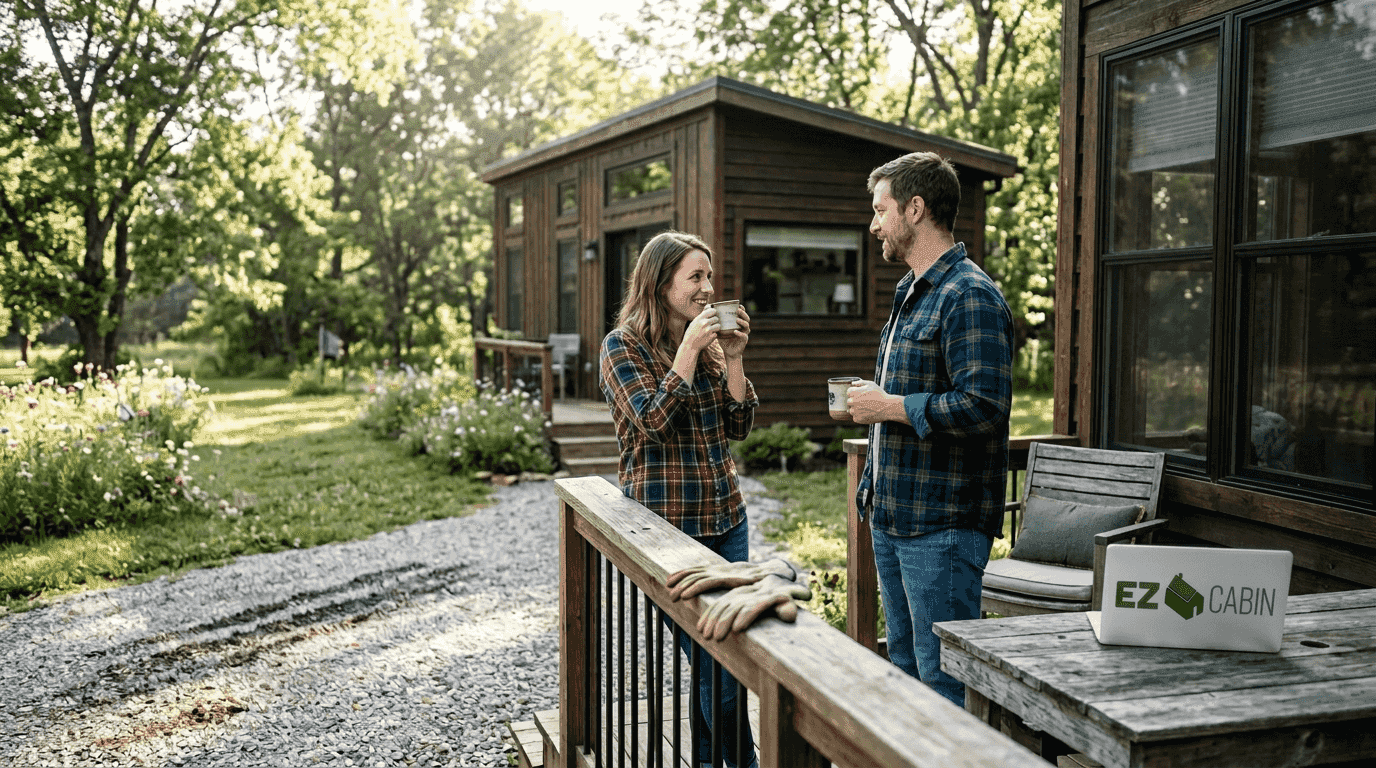
The housing landscape in Kentucky and Ohio is shifting. Rising costs, remote work flexibility, and investment opportunities are driving homebuyers and renters toward customizable portable cabins as practical alternatives to traditional homes. These structures offer affordability, personalization, and versatility for personal living, remote work setups, and rental income. Whether you're seeking a primary residence, a backyard office, or an income-generating property, understanding how customizable cabins work and their financial pathways can help you make smart decisions in 2026.
Table of Contents
- Affordable housing trends and market demand in Kentucky and Ohio
- How customizable cabins are built: modular design, materials, and sustainability
- Customization benefits: personal use, remote work, and investment opportunities
- Financing options and rent-to-own programs in Kentucky and Ohio
- Discover customizable cabin solutions at EZ-Cabin
Key takeaways
| Point | Details |
|---|---|
| Market demand | Remote work trends and rising housing costs fuel cabin popularity in Kentucky and Ohio. |
| Construction efficiency | Modular design and prefab methods reduce build time and costs compared to traditional homes. |
| Customization value | Tailored features enhance personal comfort and rental appeal, boosting investment returns. |
| Financing access | Rent-to-own programs and no credit check options make ownership accessible to more buyers. |
Affordable housing trends and market demand in Kentucky and Ohio
The demand for affordable housing solutions, including customizable cabins, is increasing in Kentucky and Ohio, driven by factors such as remote work trends and investment opportunities. Traditional home prices have climbed steadily, pushing buyers toward cost-effective alternatives. In 2026, portable cabins represent a growing segment of the housing market, especially in rural and suburban areas where land is available and zoning is flexible.
Remote work has reshaped housing priorities. Workers no longer need to live near urban centers, and many are relocating to Kentucky and Ohio for lower living costs and quality of life. Programs like the EKY Remote Worker Relocation initiative offer financial incentives for remote professionals moving to Eastern Kentucky, further stimulating cabin demand. This trend creates opportunities for homeowners to invest in backyard cabin benefits as rental properties or personal workspaces.
The rising housing costs in both states have made traditional homeownership less accessible for first-time buyers and renters. Customizable cabins offer a practical solution, with lower upfront costs and flexible financing options. Buyers can secure a quality structure without the financial strain of a conventional mortgage, making homeownership attainable for more families.
Investment interest in portable cabins is also growing. Rental demand for short-term vacation properties and long-term affordable housing creates income potential for cabin owners. Investors can capitalize on this trend by purchasing types of portable buildings and renting them through platforms or directly to tenants. The flexibility of portable structures allows owners to relocate or repurpose cabins as market conditions change.
Key factors driving cabin demand in Kentucky and Ohio include:
- Remote work flexibility enabling relocation to affordable regions
- Rising traditional home prices pushing buyers toward alternatives
- Investment opportunities in rental markets for cabins
- Local economic programs incentivizing relocation and development
U.S. Census Bureau housing data confirms these trends, showing increased interest in modular and portable housing solutions across both states. Understanding this market context helps buyers and investors position themselves strategically in 2026.
How customizable cabins are built: modular design, materials, and sustainability
The underlying mechanics of cabin construction involve modular design, prefabrication, and sustainable building materials to reduce costs and environmental impact. Unlike traditional homes built on-site from the ground up, customizable cabins are constructed in controlled factory environments. This approach minimizes weather delays, material waste, and labor costs while maintaining high quality standards.
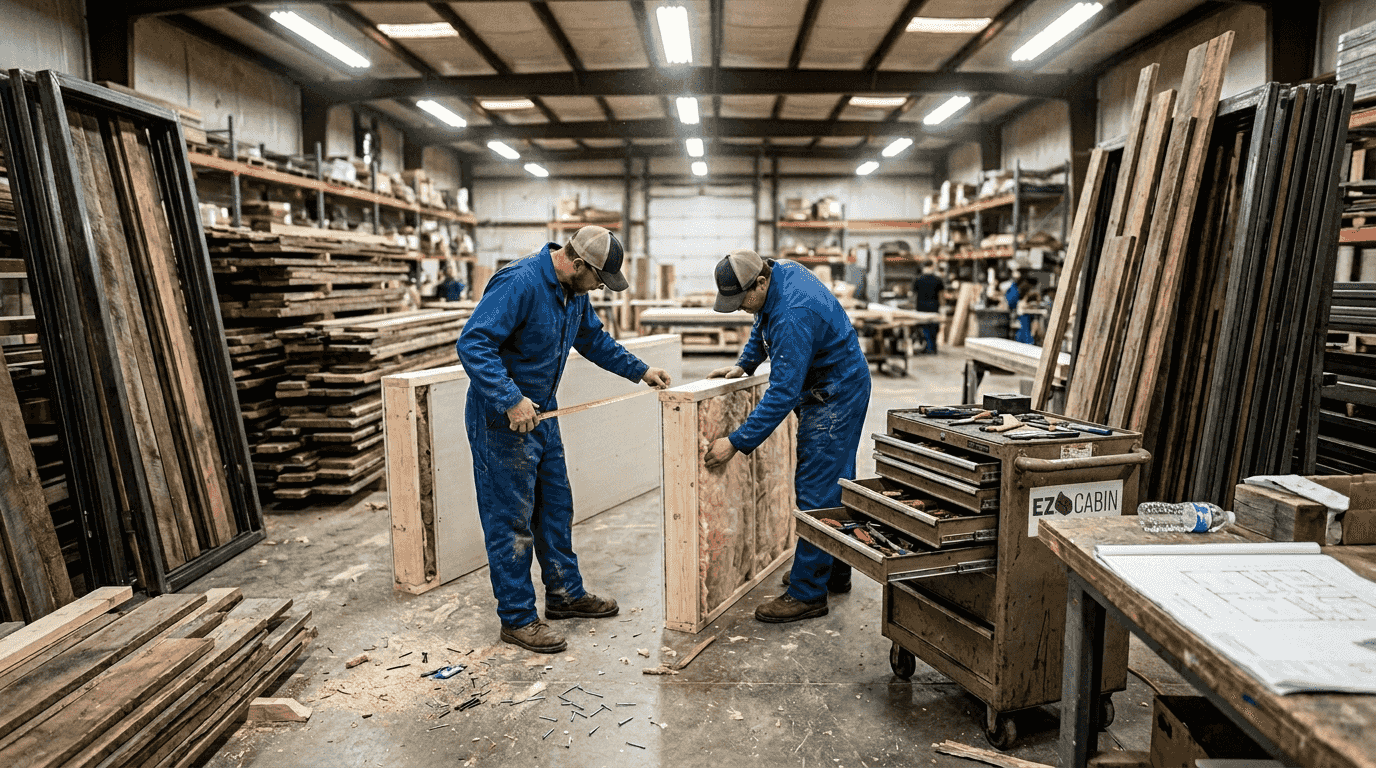
Modular design allows manufacturers to produce standardized components that fit together seamlessly. Walls, roofs, floors, and fixtures are pre-built and assembled on-site, reducing construction time from months to weeks. Buyers can choose from base models and customize features like layout, size, and finishes without starting from scratch. This efficiency translates to lower costs and faster delivery.
Sustainable materials are increasingly common in cabin construction. Manufacturers use recycled steel, reclaimed wood, and energy-efficient insulation to reduce environmental footprints. These materials also lower operating expenses by improving thermal performance and reducing heating and cooling needs. Buyers seeking eco-friendly housing can prioritize cabins built with certified sustainable materials.
Foldable container houses offer rapid deployment and cost-effectiveness compared to traditional construction, making them suitable for various applications. These structures use steel frames and modular panels that fold for transport and unfold on-site. They provide strong load capacity and durability, ideal for temporary or permanent housing.
| Construction Type | Typical Timeline | Estimated Cost Range | Environmental Impact |
|---|---|---|---|
| Traditional Home | 6-12 months | $150,000-$300,000 | Higher material waste |
| Customizable Cabin | 1-4 weeks | $30,000-$80,000 | Lower waste, sustainable options |
| Foldable Container | 1-2 weeks | $20,000-$50,000 | Minimal waste, recyclable materials |
Prefabrication also improves quality control. Factory environments allow for precise measurements, consistent materials, and thorough inspections before structures leave the facility. This reduces defects and ensures cabins meet building codes and safety standards. Buyers benefit from reliable construction without the variability of on-site building.
Pro Tip: Confirm local building code compliance early in the planning process to avoid costly delays. Contact your county building department to verify zoning, permits, and foundation requirements before purchasing a cabin.
Understanding construction methods helps buyers appreciate the value and efficiency of customizable cabins. The combination of modular design, sustainable materials, and prefabrication creates affordable, durable structures that meet diverse housing needs. For more on construction benefits, explore why buy modular garages and easycabin2u alternatives.
Customization benefits: personal use, remote work, and investment opportunities
Customizable cabins provide homeowners and renters with the ability to tailor living spaces to their specific needs, whether for personal use, remote work, or investment purposes. Unlike cookie-cutter housing, cabins offer flexibility in design, layout, and features. Buyers can create spaces that reflect their lifestyle, work requirements, and financial goals.
The top 5 customizable features popular with buyers and renters include:
- Layout configuration: Open floor plans, separate bedrooms, or multi-use spaces tailored to household size and activities.
- Size options: Structures ranging from compact 200-square-foot studios to spacious 1,200-square-foot homes.
- Workspace integration: Built-in desks, tech-ready wiring, and soundproofing for productive remote work environments.
- Accessibility features: Ramps, wider doorways, and accessible bathrooms for aging-in-place or mobility needs.
- Interior and exterior finishes: Custom colors, flooring, cabinetry, and siding to match personal aesthetics and property surroundings.
Customization adds value and appeal in rental markets, increasing return on investment. Tenants and vacation renters prioritize unique, well-designed spaces over generic options. A cabin with thoughtful layouts, modern finishes, and functional workspaces commands higher rental rates and attracts quality tenants. Investors can differentiate their properties by offering features competitors lack.
Expert analysis suggests that the success of customizable cabin investments hinges on strategic location, proper zoning compliance, and effective property management. Investors who research local rental demand, secure necessary permits, and maintain high-quality properties see stronger returns than those who neglect these factors.
Investment success depends on location, compliance, and management. Cabins located near tourist attractions, natural areas, or employment centers perform better as rentals. Zoning laws vary by county, so investors must verify that rental use is permitted and obtain required licenses. Property management, whether self-managed or through a service, ensures cabins remain occupied, well-maintained, and profitable.
Pro Tip: Explore rent-to-own options to ease purchase and investment barriers. These programs allow buyers to secure cabins with lower upfront costs and flexible terms, making ownership accessible even without traditional financing.
For personal use, customization enhances daily living. Homeowners can design cabins that fit their routines, hobbies, and family dynamics. A retiree might prioritize single-level living with accessible features, while a remote worker needs dedicated office space with reliable internet. Customization ensures cabins serve their intended purpose effectively.
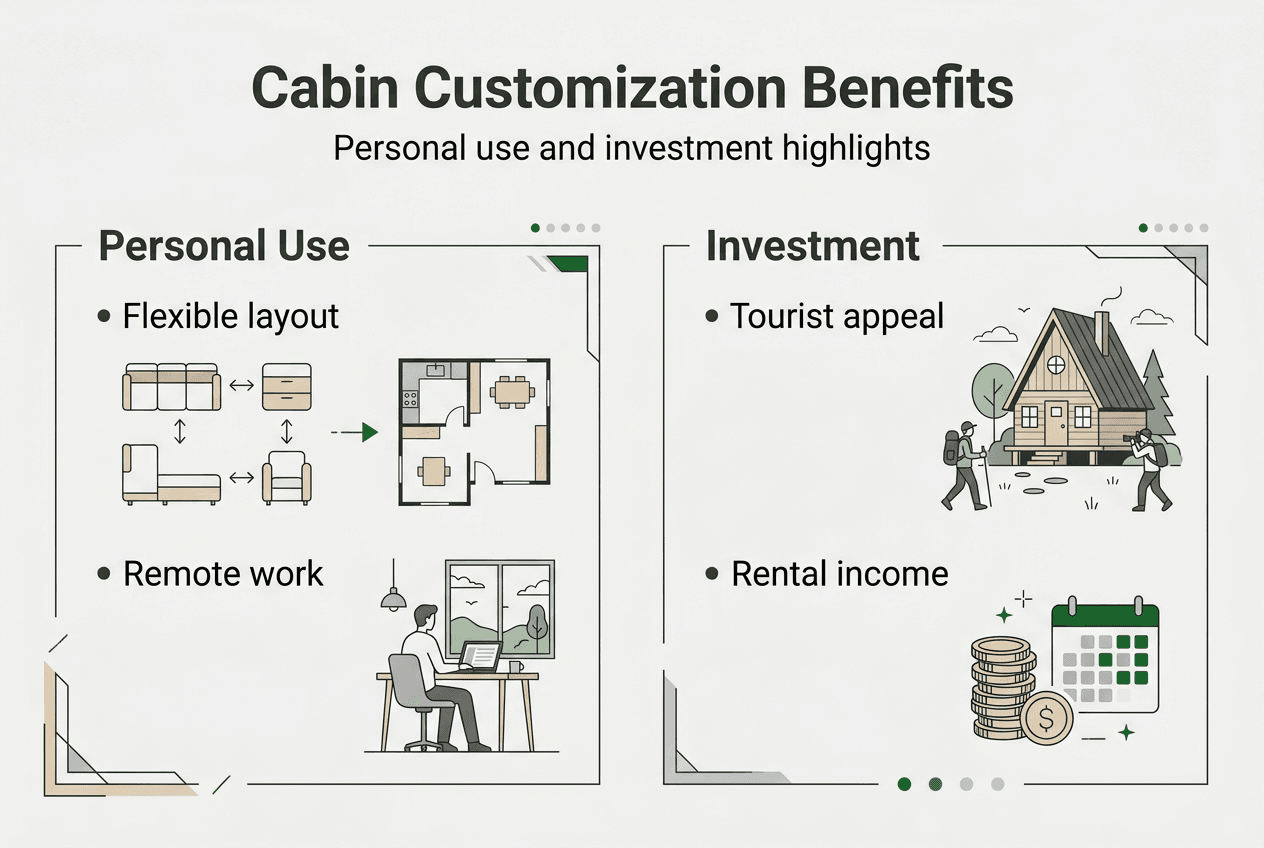
Remote work setups benefit from tailored designs. Cabins can include separate office areas with natural light, ergonomic layouts, and climate control. This separation between work and living spaces improves productivity and work-life balance. As remote work continues to grow in 2026, demand for work-ready cabins will increase.
To explore customization options and financing pathways, visit choose best tiny home, portable tiny home financing, and garage ownership no credit check financing. External resources like customization benefits survey and cabins investment advice provide additional insights.
Financing options and rent-to-own programs in Kentucky and Ohio
Rent-to-own programs for portable cabins offer a viable pathway to homeownership for individuals with limited access to traditional financing, particularly in rural areas of Kentucky and Ohio. These programs allow buyers to secure cabins with minimal upfront costs and flexible payment terms, making ownership accessible without conventional mortgages or high credit scores.
Financing options for customizable cabins include:
- Rent-to-own programs: Monthly payments build equity toward ownership, with flexible terms and no credit checks required.
- No credit check financing: Guaranteed approval programs based on income and employment, not credit history.
- Traditional loans: Personal loans, home equity lines, or specialized tiny home mortgages for qualified buyers.
- Personal savings: Direct purchase with cash or savings, avoiding interest and financing fees.
Rent-to-own programs are particularly popular in rural Kentucky and Ohio due to flexible terms and accessibility. Buyers make monthly payments, typically including a portion toward the cabin's purchase price. After completing the payment term, ownership transfers to the buyer. This structure eliminates the need for large down payments or mortgage approvals, making homeownership attainable for more people.
| Financing Type | Benefits | Drawbacks |
|---|---|---|
| Rent-to-own | No credit checks, low upfront costs, flexible terms | Higher total cost over time, equity builds slowly |
| Traditional Financing | Lower interest rates, faster equity building | Credit requirements, larger down payments, approval delays |
| Personal Savings | No interest or fees, immediate ownership | Requires significant cash reserves, limits liquidity |
Pro Tip: Check local incentives and economic development programs for additional funding support. Kentucky and Ohio offer grants, tax credits, and relocation incentives that can offset cabin costs or provide down payment assistance.
No credit check financing removes barriers for buyers with limited or damaged credit. Lenders focus on income stability and employment history rather than credit scores. This approach opens homeownership to individuals who might not qualify for traditional mortgages but have reliable income sources. Approval is often guaranteed, and buyers can secure cabins quickly.
Traditional loans remain an option for buyers with strong credit and stable finances. Personal loans, home equity lines, or specialized tiny home mortgages offer lower interest rates and faster equity building. However, these options require higher credit scores, larger down payments, and longer approval processes. Buyers should compare terms and total costs before choosing a financing method.
For more on financing pathways, explore portable tiny home financing, rent-to-own financing options, and garage ownership no credit check financing. External resources like HUD rent-to-own programs provide additional guidance on financing alternatives.
Discover customizable cabin solutions at EZ-Cabin
Ready to explore affordable, customizable cabins tailored to your lifestyle? EZ-Cabin offers a wide selection of portable structures designed for Kentucky and Ohio residents, whether you're seeking a primary home, remote work space, or investment property. Our flexible rent-to-own and no credit check financing options make ownership accessible without the hassle of traditional mortgages or lengthy approvals.
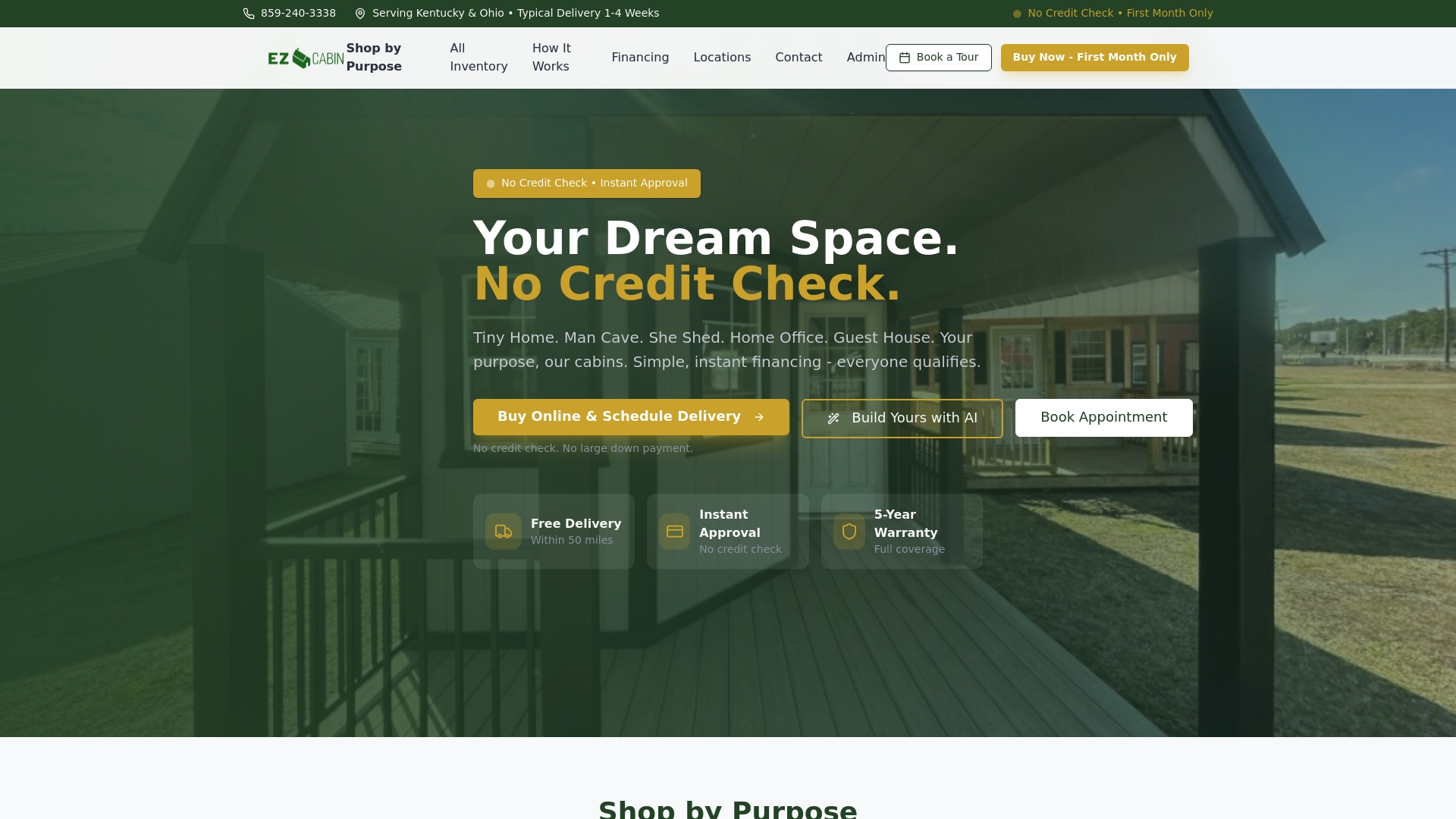
Personalize your cabin to fit your exact needs using our AI-powered customization tools. Adjust layouts, colors, doors, windows, and features in real time before purchasing. Most cabins are delivered within 1 to 4 weeks, so you can start enjoying your new space quickly. Visit shop all rent-to-own buildings, customize your own cabin, or explore rent-to-own financing options to get started today.
FAQ
What is the typical cost difference between customizable cabins and traditional homes?
Customizable cabins offer a cost-effective alternative to traditional housing, with potential for higher returns on investment in rental markets. Cabins typically cost $30,000 to $80,000 compared to traditional homes ranging from $150,000 to $300,000. Lower construction and maintenance expenses make cabins attractive for budget-conscious buyers. Rental income potential also increases return on investment, especially in high-demand tourist or remote work areas.
How do rent-to-own programs help with homeownership in Kentucky and Ohio?
Rent-to-own programs offer a viable pathway to homeownership for individuals with limited access to traditional financing, particularly in rural areas of Kentucky and Ohio. These programs require minimal upfront costs, no credit checks, and flexible payment terms. Buyers make monthly payments that build equity toward ownership, making cabins accessible without conventional mortgages. After completing the payment term, ownership transfers to the buyer, providing a clear path to homeownership.
What should I know about building codes for customizable cabins?
Local building codes vary and must be followed to ensure legal and safe use of cabins. Early research and permits are essential to avoid costly delays or legal issues. Contact your county building department to verify zoning regulations, foundation requirements, and utility connections before purchasing a cabin. Some areas classify cabins as accessory structures, limiting their use as primary residences. Understanding these requirements upfront ensures compliance and smooth installation.
Can customizable cabins be tailored for remote work needs?
Cabins can be customized with dedicated workspaces, tech setups, and layouts to support productive remote work environments. Features like built-in desks, soundproofing, reliable internet wiring, and climate control create comfortable, functional offices. Separating work areas from living spaces improves focus and work-life balance. As remote work continues to grow in 2026, demand for work-ready cabins will increase, making them valuable for personal use and rental investment.