
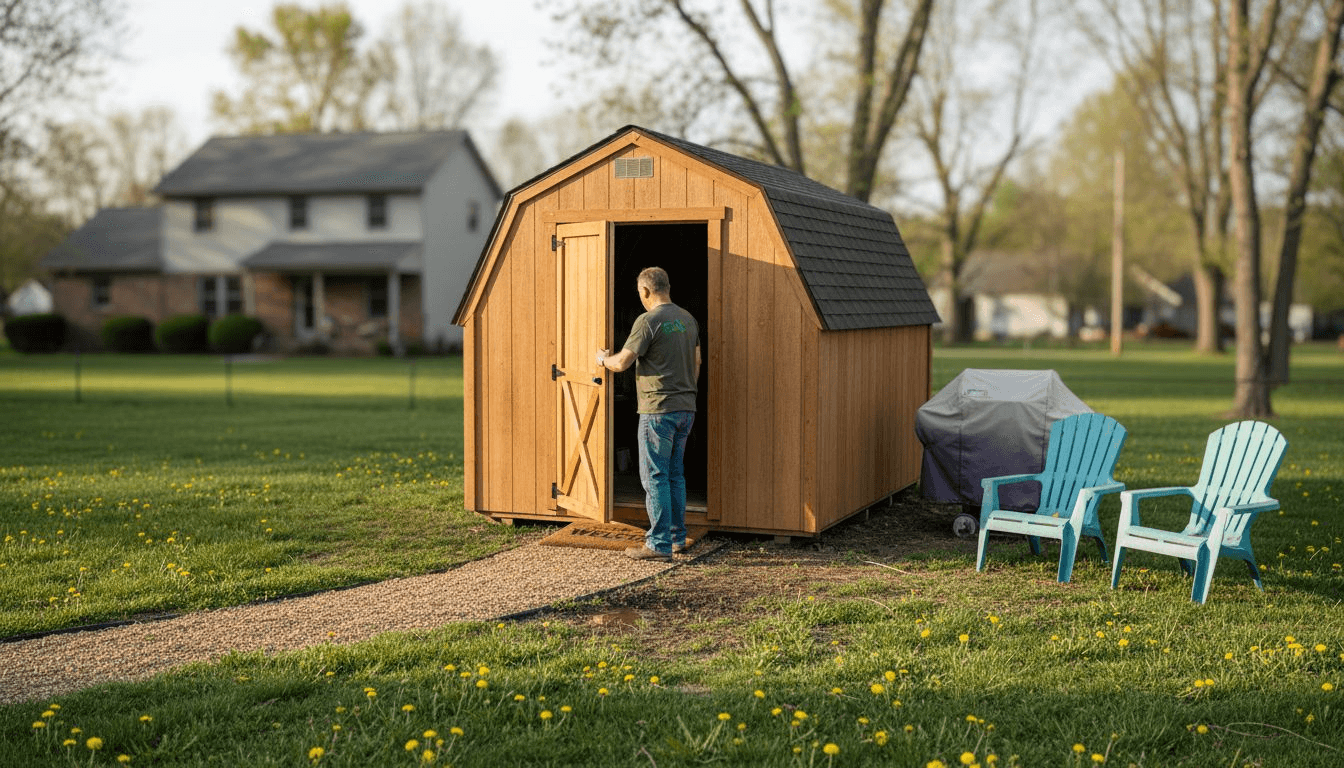
Building a man cave shed offers you the perfect escape without a major home renovation. Many DIY enthusiasts in Kentucky and Ohio struggle to balance affordability with creating a comfortable space that withstands local weather extremes. This guide walks you through planning, materials selection, foundation work, electrical requirements, and customization strategies to build a durable man cave shed tailored to your budget and climate needs.
Table of Contents
- Planning your man cave shed: size, budget, and permits
- Choosing materials and insulation for Kentucky and Ohio climates
- Foundation essentials and shed installation mistakes to avoid
- Step-by-step guide to building and customizing your man cave shed
- Explore quality sheds and customization options at EZ-Cabin
- Frequently asked questions
Key takeaways
| Point | Details |
|---|---|
| Budget planning | DIY builds cost $5,000-$10,000; professional builds range $15,000-$40,000+ depending on size and features. |
| Climate considerations | Proper insulation and ventilation prevent condensation and reduce energy costs by 30% in Kentucky and Ohio. |
| Foundation requirements | Larger sheds need frost-proof foundations while smaller structures under 100 sq ft work with simpler bases. |
| Electrical compliance | 100-amp service with professional installation ensures safety and code compliance for outlets and climate control. |
| Layout optimization | Dividing space into functional zones maximizes usability for entertainment, work, and relaxation areas. |
Planning your man cave shed: size, budget, and permits
Determining the right size for your man cave shed prevents buyer's remorse down the road. A 12×16 ft minimum gives you enough room for furniture, entertainment equipment, and comfortable movement without feeling cramped. Anything smaller forces uncomfortable compromises that defeat the purpose of having a dedicated retreat space.
Budget decisions shape your entire project timeline and final quality. A basic DIY shed costs $5,000-$10,000; professional builds $15,000-$40,000+ depending on materials, size, and customization features. DIY approaches save significant money but require substantial time investment and accepting trade-offs in professional finish quality.
Permit requirements in Kentucky and Ohio vary by county and municipality, so check with your local building department before breaking ground. Most jurisdictions require permits for structures over a certain square footage or those with electrical service. Skipping this step risks fines, forced removal, or complications when selling your property.
Electrical planning deserves serious attention from day one. At least 100-amp electrical service is needed with professional installation costing $2,000-$5,000 to handle outlets, lighting, climate control, and appliances like a refrigerator. Licensed electricians ensure your installation meets National Electrical Code standards and local amendments specific to Kentucky and Ohio.
Pro Tip: Budget an extra 15-20% beyond your initial estimate for unexpected expenses like site preparation challenges, material price fluctuations, or discovering you need additional structural reinforcement during construction.
Key budget considerations include:
- Site preparation costs for leveling and drainage
- Foundation materials and labor
- Framing lumber and sheathing
- Roofing materials suitable for local snow loads
- Insulation for year-round comfort
- Electrical service and interior wiring
- Windows, doors, and security hardware
- Interior finishing materials and fixtures
Exploring affordable portable buildings options helps you understand different price points and feature combinations before committing to a specific approach.
Choosing materials and insulation for Kentucky and Ohio climates
Material selection directly impacts your man cave's comfort, maintenance burden, and longevity. Resin sheds insulate well and require low maintenance; wood is customizable but needs upkeep; metal is affordable but poorly insulated making each option suitable for different priorities and budgets.
| Material | Cost Range | Insulation | Maintenance | Customization |
|---|---|---|---|---|
| Resin | $2,000-$5,000 | Good | Very Low | Limited |
| Wood | $3,000-$8,000 | Excellent with treatment | Medium to High | Unlimited |
| Metal | $1,500-$4,000 | Poor without additions | Low | Moderate |
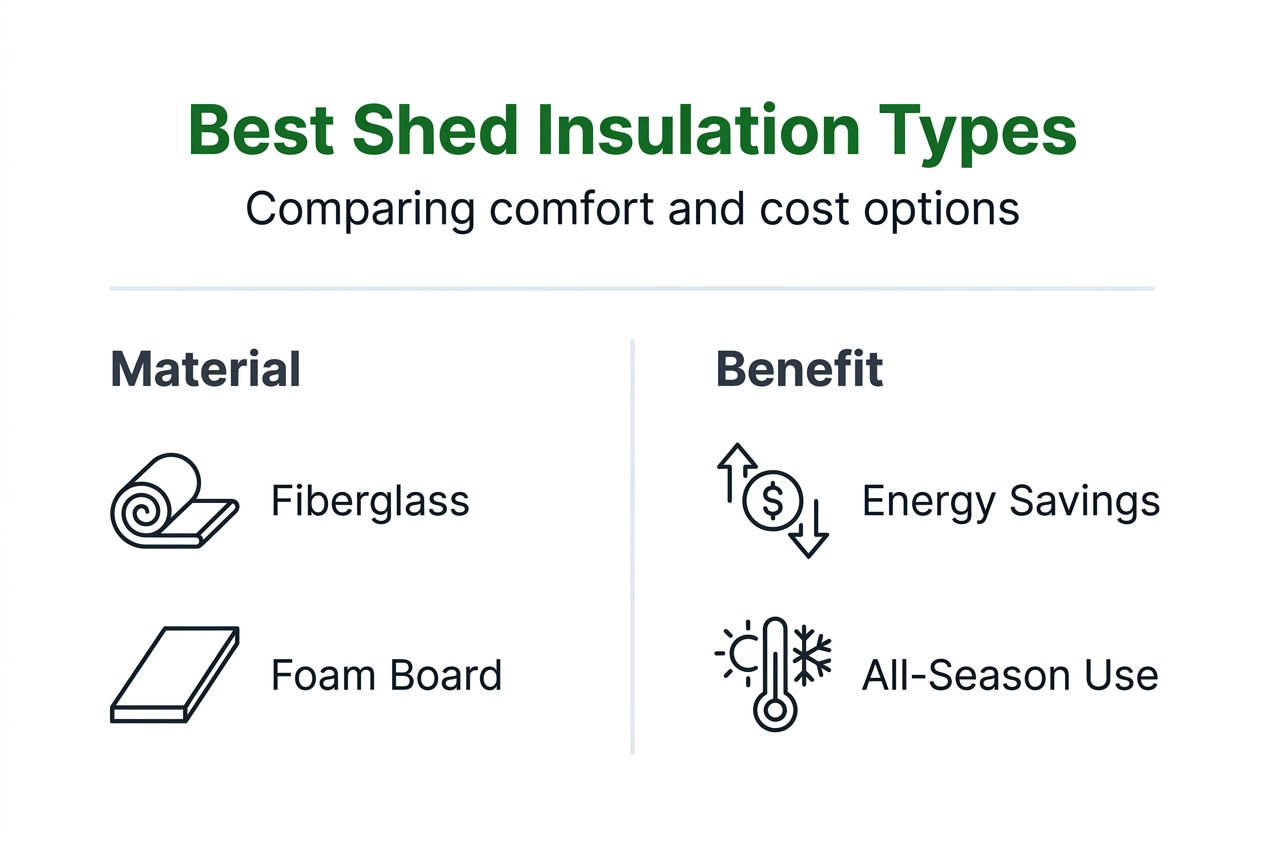
Insulation becomes non-negotiable for Kentucky and Ohio given temperature swings from below freezing winters to hot, humid summers. Proper insulation reduces heating and cooling costs by up to 30% while maintaining consistent interior comfort year-round. Without adequate insulation, your man cave becomes unusable during weather extremes.
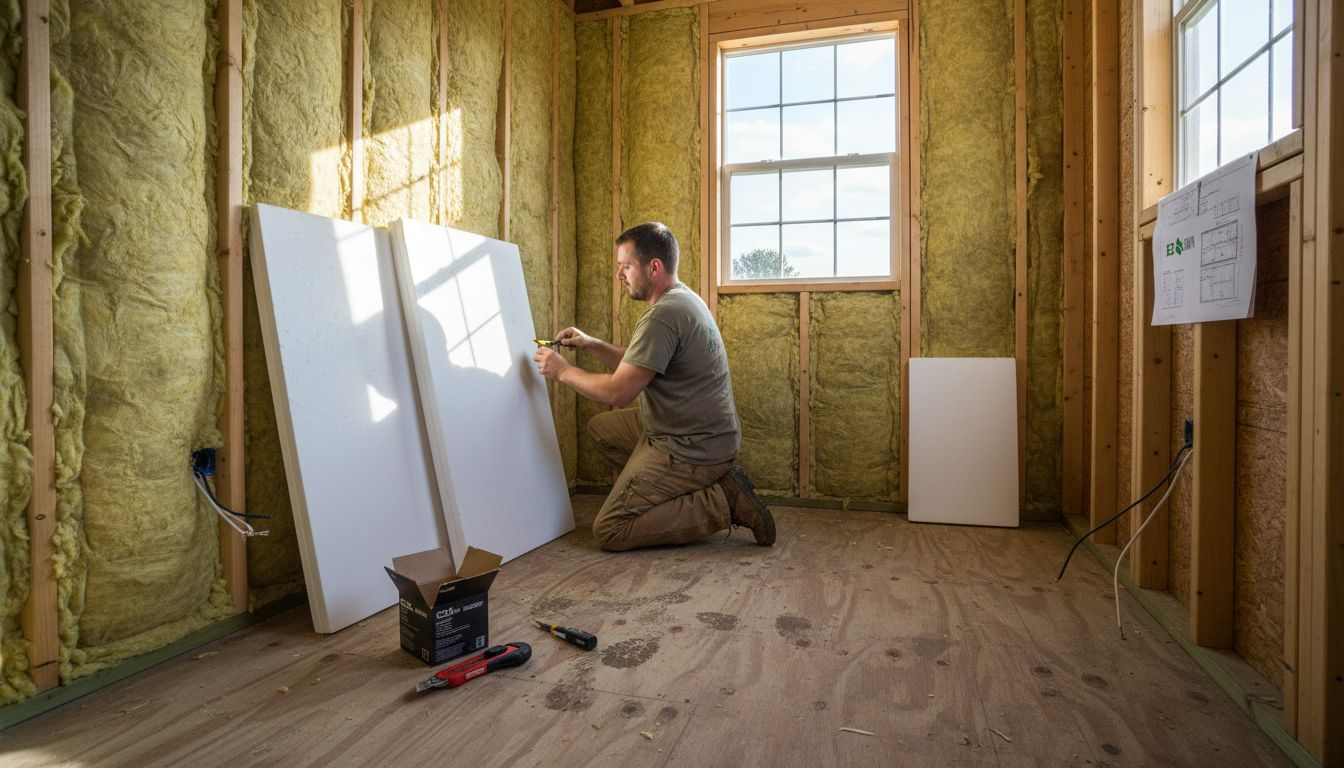
Fiberglass batts or rigid foam board insulation work effectively for shed walls and roofs. R-13 to R-19 insulation in walls and R-30 to R-38 in the roof provide sufficient thermal protection for this climate zone. Pay special attention to sealing gaps around windows, doors, and penetrations where air leakage undermines insulation performance.
Ventilation works hand-in-hand with insulation to prevent moisture buildup that leads to mold, mildew, and wood rot. Install ridge vents, gable vents, or small extractor fans to maintain air circulation. Adequate ventilation becomes especially critical if you plan activities generating moisture or fumes like painting, woodworking, or cooking.
Pro Tip: Choose best building materials for KY and OH by prioritizing insulation capability and maintenance requirements that fit your lifestyle, rather than solely focusing on upfront cost savings that create headaches later.
Additional material considerations:
- Treated lumber for ground contact areas
- Weatherproof exterior siding or panels
- Impact-resistant roofing for hail protection
- Vapor barriers to control moisture migration
- Caulking and weatherstripping for air sealing
Foundation essentials and shed installation mistakes to avoid
Your foundation determines whether your man cave remains level, dry, and structurally sound for decades or develops problems within the first year. Kentucky and Ohio soil conditions and frost depth requirements significantly influence foundation type selection. Clay-heavy soils expand and contract with moisture changes, while areas with shallow bedrock present different challenges.
On-grade foundations suffice for small sheds, larger sheds need frost-proof foundations in freezing climates to prevent heaving and settling damage. Frost depth in Kentucky ranges from 12-18 inches depending on location, while Ohio reaches 32-42 inches in northern counties. Footings must extend below these depths for permanent structures.
Proper leveling prevents a cascade of problems that worsen over time. Poor leveling and incorrect foundation cause water damage, tilting, and structural stress affecting doors, windows, and overall structural integrity. Even a 1-2 inch deviation from level creates noticeable floor slopes and prevents doors from closing properly.
Common installation mistakes that sabotage shed projects:
- Building directly on soil without a moisture barrier
- Inadequate drainage causing water pooling around the foundation
- Using deck screws instead of structural screws for framing connections
- Forgetting weatherproofing treatments on exposed wood
- Placing the shed too close to property lines or existing structures
- Neglecting to compact the base material thoroughly
- Installing roofing without proper overhang for water runoff
Pro Tip: Add a 4-6 inch gravel perimeter around your foundation extending at least 2 feet outward to improve drainage and reduce moisture problems, and leave 3-5 feet of access space on all sides for maintenance and airflow.
Foundation options for different scenarios:
- Concrete slab: Best for larger man caves requiring climate control
- Pier and beam: Ideal for sloped lots or areas with drainage issues
- Gravel pad with skids: Economical choice for smaller sheds under 200 sq ft
- Concrete blocks: Simple solution for level lots with good drainage
Review small building foundation tips to understand cost implications and suitability for your specific site conditions before committing to a foundation approach.
Step-by-step guide to building and customizing your man cave shed
Executing your man cave build requires following a logical sequence that prevents rework and ensures structural integrity. Rushing ahead before completing prerequisites creates expensive mistakes and safety hazards.
- Prepare the foundation site by clearing vegetation, leveling the ground, and establishing proper drainage away from the structure
- Install your chosen foundation system ensuring it's perfectly level in both directions before proceeding
- Frame the floor system with pressure-treated lumber and install subfloor sheathing rated for your intended floor loads
- Build and raise wall frames including rough openings for windows, doors, and electrical boxes
- Install roof trusses or rafters and secure roof sheathing appropriate for your roofing material
- Apply roofing material with adequate overhang and proper flashing around any penetrations
- Install windows and exterior doors with proper weatherproofing and flashing
- Add insulation to walls and ceiling before closing up interior surfaces
- Run electrical wiring and have inspections completed before covering walls
- Install interior wall covering, flooring, and trim work
- Add finishing touches including lighting fixtures, outlets, and climate control equipment
Plan zones like lounge, workstation, entertainment to maximize functionality rather than treating your man cave as one undifferentiated space. Dedicated zones help you shift between different activities without everything feeling cramped or conflicting.
Lighting strategy impacts both functionality and ambiance significantly. Apex or pent roof designs provide adequate headroom for ceiling fixtures delivering general illumination. Layer in task lighting over workstations and accent lighting to create mood in entertainment areas. Natural light through strategically placed windows brightens the space during daytime hours.
Window selection balances light and privacy concerns. Frosted or toughened glass windows allow natural light penetration while preventing outsiders from viewing your equipment and valuables. Position windows to capture morning or afternoon sun based on when you'll use the space most frequently.
Security features like reinforced hinges and bolt locks help protect valuables from theft while deterring casual break-in attempts. Heavy-duty deadbolts, security hinges with non-removable pins, and window locks provide basic protection. Consider alarm systems or security cameras for higher-value equipment collections.
Pro Tip: Install vapor barriers and ensure adequate ventilation during finishing work to control moisture levels that lead to mold growth, especially in Kentucky and Ohio's humid summer conditions.
Customization elements that enhance usability:
- Built-in shelving and storage solutions
- Pegboard walls for tool organization
- Mini-split HVAC system for year-round comfort
- Dedicated circuits for high-draw equipment
- Soundproofing materials if using audio equipment
- Durable flooring resistant to spills and heavy furniture
Explore garage expansion and customization tips for additional ideas on maximizing functionality in compact spaces.
Explore quality sheds and customization options at EZ-Cabin
Building a man cave shed from scratch demands significant time, skills, and coordination across multiple trades. EZ-Cabin simplifies this process by offering high-quality portable buildings with flexible financing that eliminates the hassle of traditional construction projects.
Our rent-to-own options make shed ownership accessible with guaranteed approval requiring no credit check and only the first month's payment to get started. Most buildings arrive within 1-4 weeks, letting you enjoy your new space quickly without months of construction delays.
Shop rent-to-own buildings from our inventory of cabins, sheds, and garages specifically designed for Kentucky and Ohio conditions. Our custom build your own shed tools let you visualize and personalize layouts, colors, doors, windows, and features in real time before purchasing.
Visit our convenient EZ-Cabin locations in Kentucky and Ohio in Somerset KY, London KY, or West Union OH to see building quality firsthand and discuss customization options with our team.
Frequently asked questions
How much does it typically cost to build a man cave shed?
Total costs range from $5,000 for basic DIY builds up to $40,000+ for professionally constructed, fully finished man caves with premium features. Budget approximately $30-50 per square foot for DIY projects or $75-150 per square foot when hiring contractors. Foundation work, electrical service, insulation quality, and interior finishes represent the largest cost variables beyond the basic structure.
What size shed is ideal for a man cave?
A 12×16 ft (192 sq ft) shed provides the minimum functional space for furniture, entertainment equipment, and comfortable movement. Sizes between 200-400 sq ft work best for most man cave applications, offering enough room for multiple activity zones without excessive heating and cooling costs. Consider your specific hobbies and whether you'll host friends when determining optimal size.
What materials provide the best insulation in Kentucky and Ohio?
Wood construction with added insulation delivers superior thermal performance for Kentucky and Ohio's temperature extremes. Install R-13 to R-19 fiberglass or foam insulation in walls and R-30 to R-38 in the roof for year-round comfort. Resin sheds offer decent insulation properties with minimal maintenance, while metal sheds require substantial insulation upgrades to become usable in extreme temperatures.
Can I do the electrical work myself?
Kentucky and Ohio electrical codes require licensed electricians for most shed electrical installations to ensure safety and code compliance. DIY electrical work risks fire hazards, code violations, insurance claim denials, and complications during property sales. Professional installation costs $2,000-$5,000 but provides properly sized service, correct wire gauges, appropriate circuit protection, and inspection approval.
What are common mistakes to avoid during shed installation?
Building on unlevel ground or directly on soil without proper foundation preparation creates structural problems and moisture damage. Poor drainage planning causes water pooling that undermines foundations and promotes rot. Using inadequate fasteners, skipping weatherproofing steps, and neglecting ventilation lead to premature failure. Always obtain required permits, follow manufacturer assembly instructions exactly, and don't rush site preparation work.
How do I maintain comfortable temperatures year-round?
Combine proper insulation with adequate heating and cooling systems sized for your shed's square footage and insulation values. Mini-split heat pumps offer efficient heating and cooling in a single system ideal for shed installations. Ensure your electrical service can handle climate control equipment loads, and seal all air leaks around doors, windows, and penetrations. Good ventilation prevents humidity buildup during summer months.