
TL;DR:
- A hunting cabin is a purpose-built structure that provides shelter, storage, and a functional base camp for outdoor pursuits. Its core features include reliable heat, insulation, power, and water systems, which are essential for year-round usability. Different types, from prefab to custom builds, offer various options to enhance property value and extend hunting seasons.
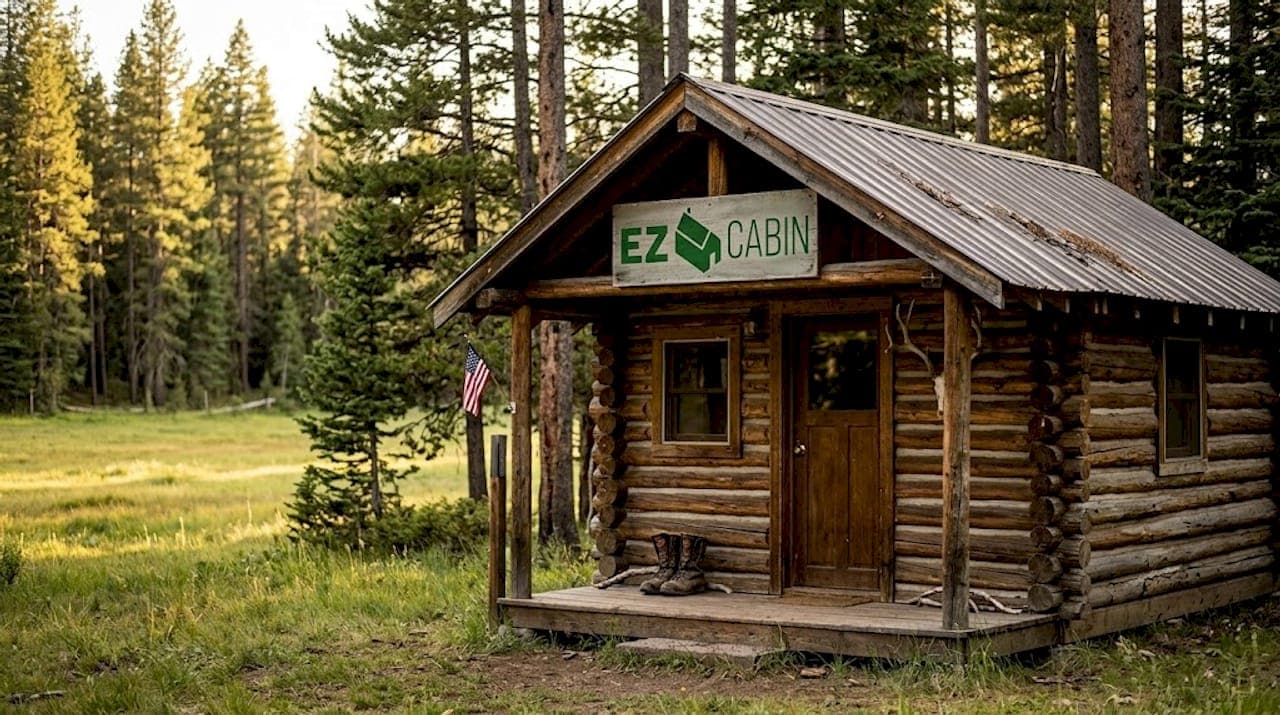
If you've ever pictured a hunting cabin as nothing more than four walls and a cot in the woods, you're not alone. But that image sells the concept way short. A hunting cabin is a purpose-built structure designed to serve as shelter, storage, and a functional base camp for outdoor pursuits on rural or wilderness land. The best ones blend rugged utility with genuine comfort, and in 2026, they've become serious lifestyle upgrades and investment assets for landowners across the country. This guide covers everything from basic definitions to types, features, and real-world value.
Table of Contents
- Key takeaways
- What is a hunting cabin, exactly?
- Essential features every hunting cabin needs
- Types of hunting cabins
- The real benefits of owning a hunting cabin
- How to choose the right hunting cabin
- My take on what buyers consistently get wrong
- Find your perfect hunting cabin with Ez-cabin
- FAQ
Key takeaways
| Point | Details |
|---|---|
| More than basic shelter | A hunting cabin serves as storage, retreat space, and a functional base camp, not just overnight lodging. |
| Features matter most | Reliable heat, insulation, and water access determine seasonal usability far more than aesthetics do. |
| Multiple cabin types exist | Prefab, portable, and custom-built options each suit different budgets, sites, and hunting styles. |
| Real investment value | A well-placed hunting cabin boosts property value and makes land more marketable and usable year-round. |
| Site selection is critical | Avoid flood-prone areas and prioritize structural integrity before adding any amenities or upgrades. |
What is a hunting cabin, exactly?
A hunting cabin is a structure built or placed on rural or wooded land to provide shelter, gear storage, and a comfortable base for hunters and outdoor enthusiasts. It is not a vacation home in the traditional sense. Think of it more as a working retreat, a place that keeps you in the field longer by removing the friction of driving hours back to town each night.
Most hunting cabins range from around 200 to 600 square feet and include one to three functional rooms. Common layouts feature a main living area, a sleeping space, and a utility or gear room. Construction materials run the gamut from traditional wood framing and log construction to modern fiberglass and steel-framed prefab units. Many newer models are portable cabins that arrive fully assembled and can be repositioned on your land if your hunting patterns or property use changes.
Core uses of a hunting cabin include:
- Overnight and multi-day shelter close to prime hunting areas
- Equipment storage for firearms, decoys, ATVs, and field dressing gear
- Seasonal retreat space for scouting, processing game, and post-hunt recovery
- Multi-use workspace for hobby projects or hosting guests during off-season
Pro Tip: Don't size your cabin just for opening weekend. Think about group size during peak seasons and whether you'll use it for scouting trips, family visits, or gear maintenance throughout the year. A little extra square footage goes a long way.
Federal regulations classify a cabin as a residence if it is used or capable of use as sleeping quarters, which matters when permitting on certain land types. Worth knowing before you break ground or schedule a delivery.
Essential features every hunting cabin needs
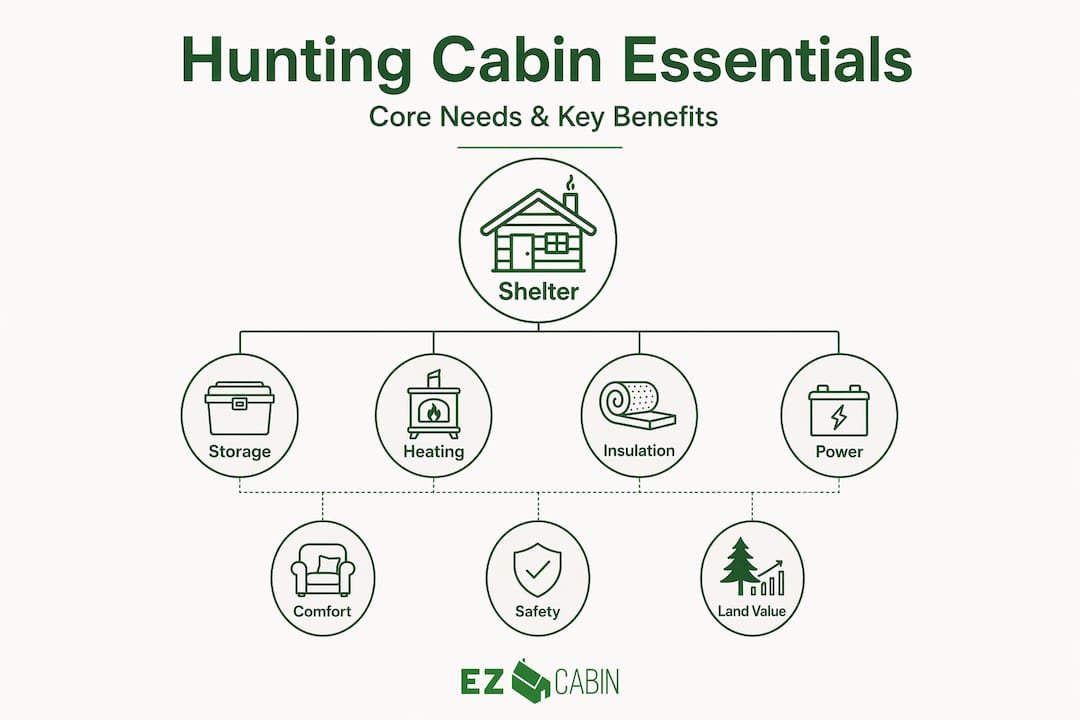
The features that determine whether a hunting cabin is genuinely usable are not the ones you see in photos. They're the systems working behind the walls, under the floor, and keeping the space warm when temperatures drop in October. Hunting cabin essentials include insulation, reliable heat, power, and water, and getting those right should always come before choosing countertops or siding color.
Foundation and structure
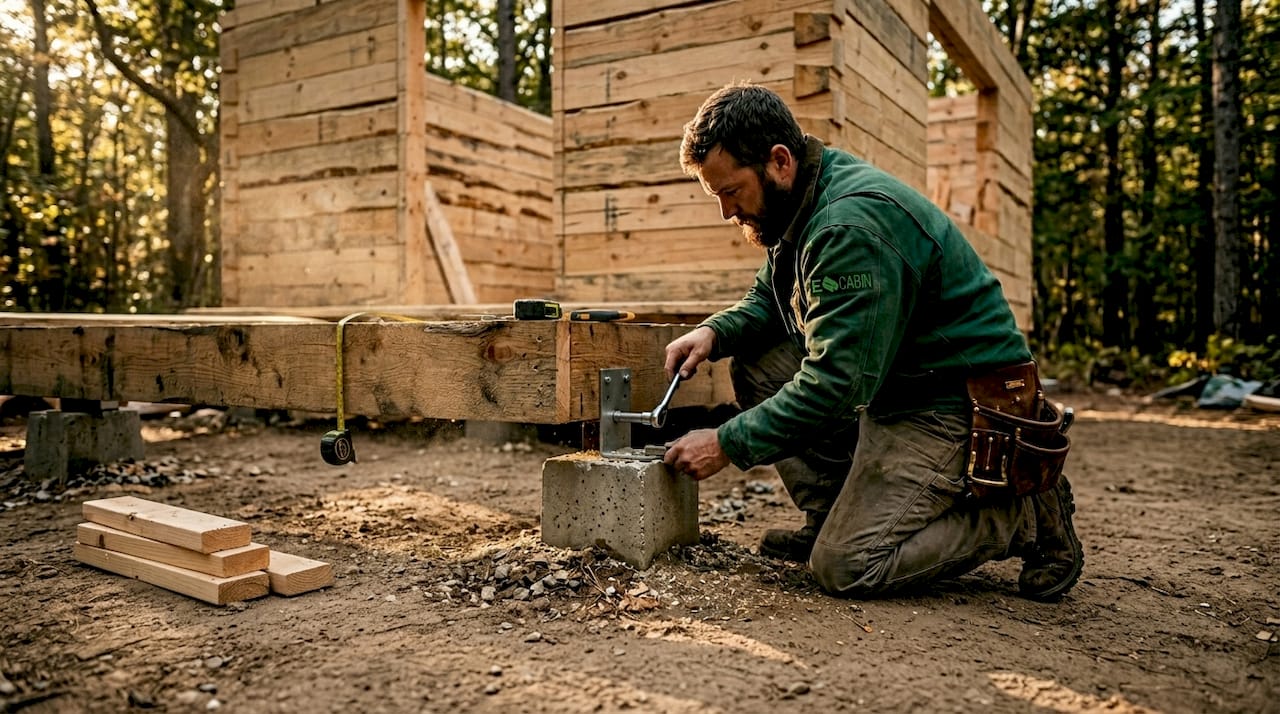
Sound foundation work is the single most critical element of any hunting cabin build. Options include concrete piers, treated wood skids for portable units, or full concrete slabs for permanent structures. Structural integrity affects everything from door alignment to long-term weather resistance. For off-grid builds, knowing how to place a cabin safely on remote land prevents costly problems down the road.
Heating, insulation, and power
| System | Options | Best for |
|---|---|---|
| Heat | Wood stove, pellet stove, propane heater | Early/late season use in cold climates |
| Insulation | Spray foam, fiberglass batts, rigid board | Year-round comfort and energy efficiency |
| Power | Grid hookup, solar panels, generator | Depends on remoteness and electrical needs |
| Water | City hookup, rainwater collection, hauled water | Varies by location and usage frequency |
Heating redundancy is something most first-time cabin buyers overlook completely. If your propane runs out during a cold snap and you have no backup, your season is over. Reliable heat and water systems are the make-or-break factors for early and late-season usability, period.
Solar power has become a practical choice for off-grid cabins with modest electrical needs: lighting, phone charging, a small refrigerator. For heavier loads, a propane-powered generator fills the gap. Water solutions range from hauling in jugs for weekend use, to gravity-fed tank systems, to full well and pump setups for more permanent installations.
Pro Tip: Install at least two heat sources from day one. A wood stove paired with a propane wall heater gives you redundancy and lets you maintain warmth even if one system needs maintenance.
Types of hunting cabins
Understanding the types of hunting cabins available helps you match your purchase to your land, your budget, and how you actually hunt. There is no single right answer, but the differences between options are significant.
Prefab and portable cabins
Prefab hunting cabins are built off-site in a factory and delivered to your property ready to use. They are the fastest path from decision to occupancy, often arriving within one to four weeks. Prefab cabin costs start as low as $10,000 to $20,000 for entry-level models, making them one of the most accessible options for first-time buyers.
A good example of what prefab can deliver: models like the fiberglass-built 7x8 portable cabin come fully assembled with insulation, windows, and 110v outlets for small electric heaters. Compact, weathertight, and ready to hunt from immediately. Portable models are placed on skids or a trailer frame, so you can reposition them without major construction costs.
Custom-built cabins
Custom builds give you complete control over layout, size, materials, and amenities. They cost more and take longer, but a well-built custom cabin adds significant property value and can serve multiple functions for decades. Think sleeping loft above a gear room, a mudroom entrance, or a full kitchen for longer stays. For buyers planning to use the cabin as a long-term asset, cabin investment returns from a quality custom build often justify the higher upfront cost.
Key comparison points across cabin types:
- Prefab: Fast delivery, lower cost, limited customization, ideal for smaller budgets
- Portable: Maximum flexibility, easy relocation, suits temporary or changing use cases
- Custom-built: Higher investment, full design control, best long-term property value gain
The real benefits of owning a hunting cabin
The hunting cabin purpose goes well beyond keeping rain off your head. A cabin transforms how you use your land. It extends your season, organizes your operation, and makes the property genuinely enjoyable for everyone in your group, not just the hardcore hunters.
Hunting cabins increase property value and make land more attractive to buyers if you ever choose to sell. Rural acreage with a functional, well-maintained cabin commands a meaningfully higher price than bare land in the same area. That's not just anecdotal. Landowners who build or install quality structures are investing in the usability of their property, and usability drives value.
From a practical standpoint, hunters value cabins for gear organization as much as for comfort. Having a dedicated space to store decoys, waders, rifles, and ATVs year-round eliminates the scramble every opening morning. A well-organized gear room means you're in the field faster and spending less time searching for equipment.
A hunting cabin doesn't just make your hunts better. It makes your land work for you twelve months a year, not just during deer season.
Beyond hunting, a well-built cabin can serve as a hobby workshop, guest quarters for family and friends, or a quiet writing and photography retreat. That multi-use appeal is exactly why the best hunting cabins in 2026 are being designed with more flexible floor plans and lifestyle amenities than ever before.
How to choose the right hunting cabin
Matching a cabin to your specific situation requires thinking through more than just price. Here's a practical sequence to follow:
- Choose your site carefully. Avoid low-lying areas prone to seasonal flooding. A cabin placed on high ground with good drainage will outlast one built in a convenient but flood-prone spot by decades.
- Assess your group size and usage frequency. A solo hunter using the cabin four weekends a year has different needs than a family group spending two weeks during rifle season.
- Decide on off-grid vs. connected. Remote land may require solar, generator, and hauled water. Closer properties might support electric and well hookups, which simplifies everything.
- Budget for systems first. Allocate the bulk of your budget to foundation, insulation, heat, and water before spending on finishes or furniture.
- Think about longevity. Cheap materials and poor weatherproofing cost more over ten years than a quality build costs upfront. Look at prefab cabin options that include weatherproofing and insulation as standard features.
Pro Tip: Visit your proposed cabin site in late fall or after a heavy rain before committing to a location. You'll see drainage patterns, mud conditions, and access challenges that aren't visible in summer.
My take on what buyers consistently get wrong
I've watched a lot of people plan their first hunting cabin purchase, and the pattern is almost always the same. They spend the most energy on the fun decisions: exterior color, porch style, interior layout. Those things matter, but they come last, not first.
What I've found is that the buyers who end up genuinely happy with their cabins are the ones who locked in their heat and water systems before anything else. A beautiful cabin that's freezing by October 15th is not a hunting cabin. It's an expensive storage unit. The investment value of a hunting cabin ties directly to how much usable time it adds to your season, and that usability depends entirely on whether you can stay warm and have clean water.
The other thing people consistently underestimate is organization. A dedicated space for gear changes the entire rhythm of a hunt. Knowing where everything is, having it clean and protected, getting out the door fast. That's not a luxury. That's the whole point.
My honest advice: spend less time browsing hunting cabin ideas on social media and more time asking yourself what a failed heating system at 5 AM on opening day would actually cost you. Then build around preventing that scenario.
— Ez-cabin Team
Find your perfect hunting cabin with Ez-cabin
Ez-cabin makes getting into a quality hunting cabin faster and less complicated than most people expect. Whether you want a compact portable unit or something larger with custom features, you can design your space from scratch using our online cabin builder and visualize every detail before you commit.
Financing is available with no credit check required and only the first month's payment needed to get started. That means you're not waiting years to save up while hunting seasons pass. Check out our flexible financing options to see what fits your budget. And once your cabin is set up, protect it with the Base44 security app so you're never worrying about what's happening on your property when you're not there. Most Ez-cabin structures are delivered within one to four weeks across Kentucky and Ohio.
FAQ
What is the purpose of a hunting cabin?
A hunting cabin serves as shelter, gear storage, and a functional base camp for hunters and outdoor enthusiasts on rural land. It extends the usability of a property across more of the year by removing the need to travel long distances each day.
What amenities should a hunting cabin have?
The core amenities in a hunting cabin include reliable heating, proper insulation, a power source, and water access. Beyond those, gear storage, sleeping space, and a basic cooking area cover most hunters' needs.
How much does a prefab hunting cabin cost?
Prefab hunting cabins start at around $10,000 to $20,000 for entry-level models, with costs rising based on size, materials, and added amenities. Custom-built cabins typically cost more but offer greater long-term value.
Can a hunting cabin increase property value?
Yes. A well-built hunting cabin boosts property value by making the land more usable and attractive to buyers. Rural acreage with functional structures consistently commands higher market prices than bare land.
What size hunting cabin do I need?
Most hunting cabins range from 200 to 600 square feet. A solo or two-person operation fits comfortably in 200 to 300 square feet, while groups of four or more benefit from 400 to 600 square feet with dedicated gear storage.