
TL;DR:
- Choosing the correct cabin type is crucial for maximizing short-term rental profitability, considering legal, market, and design factors. Prefab, tiny, and A-frame cabins offer faster market entry and higher guest appeal, but compliance and location remain vital. Ultimately, location, amenities, and legal adherence outweigh aesthetic choices in creating a successful rental property.
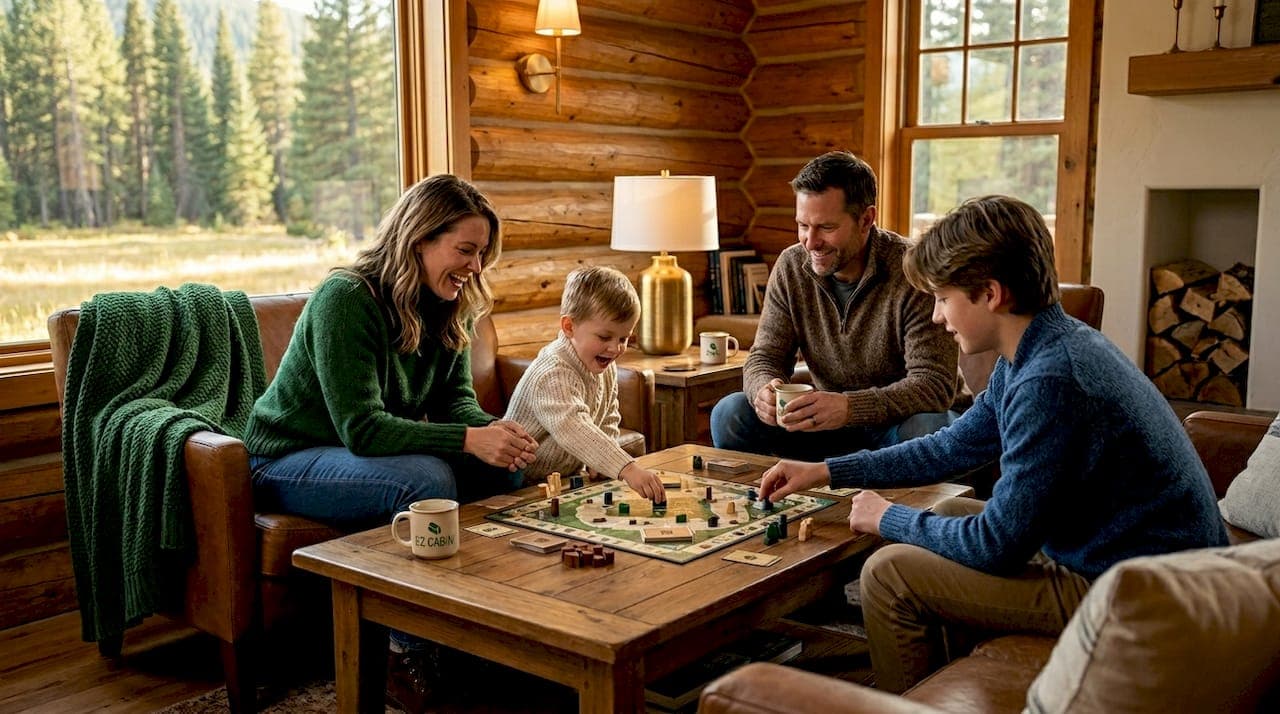
Picking the wrong cabin type for a short-term rental is one of the most expensive mistakes an investor can make. The types of cabins for short term rentals span everything from rustic log structures to sleek prefab units, and each comes with its own financial profile, regulatory requirements, and guest appeal. Before you spend a dollar, you need to know which style fits your market, your budget, and your goals. This guide breaks down every major cabin type, compares them side by side, and gives you a clear framework for making the right call.
Table of Contents
- Key takeaways
- 1. What to look for in cabins for short term rentals
- 2. A-frame cabins
- 3. Log cabins
- 4. Modern prefab and modular cabins
- 5. Tiny cabins
- 6. Elevated cabins and treehouses
- 7. Rustic cabin designs with modern interiors
- 8. Family-friendly cabin options
- 9. Comparison of popular cabin styles
- 10. Matching cabin type to your investment goals
- My honest take on cabin short-term rentals
- How Ez-cabin helps investors get to market faster
- FAQ
Key takeaways
| Point | Details |
|---|---|
| Cabin style drives booking rates | A-frame and elevated cabins command the highest nightly rates due to photo appeal and uniqueness. |
| Legal compliance starts early | Tiny cabins under 400 sq ft must meet IRC Appendix Q requirements before you list them anywhere. |
| Prefab cuts your timeline | Modular and prefab cabins reach market faster and qualify for traditional financing more easily. |
| Location shapes your selection | Match your cabin type to the scenery and guest expectations of your specific region. |
| Hybrid builds offer the best balance | Prefab shells with custom interiors let you control costs while increasing your nightly rate potential. |
1. What to look for in cabins for short term rentals
Before you evaluate any specific cabin style, you need a solid set of criteria. Guest appeal is the starting point. Travelers booking short-term cabins want an experience, not just a place to sleep. Aesthetics, comfort, and unique features directly impact your star ratings and repeat bookings.
Construction method matters more than most investors realize. Prefab and modular cabins are built to local building codes on permanent foundations, which makes them significantly easier to finance and permit compared to HUD-code manufactured homes. Modular construction shortens your timeline and removes a lot of the zoning friction that kills site-built projects.
Legal and zoning compliance can make or break your investment. Many investors assume a tiny cabin under 200 sq ft is permit-exempt for habitable use, but that assumption is almost always wrong. Codes apply regardless of size when you are offering overnight accommodations.
Here are the core criteria you should evaluate for every cabin type you consider:
- Guest appeal: Does the design photograph well? Does it offer something guests cannot find in a standard hotel?
- Cost and time to market: What is the total build cost, and how quickly can you start generating revenue?
- Regulatory fit: Does the cabin type comply with local zoning, building codes, and short-term rental ordinances?
- Durability and maintenance: How much ongoing upkeep does the structure require, and what is the long-term cost?
- Financing options: Can you secure traditional or alternative financing for this type of build?
Pro Tip: Talk to your local zoning office before you purchase any structure. Knowing the rules for your specific parcel saves you from a redesign after the fact.
2. A-frame cabins
A-frame cabins are the single most recognizable short-term rental structure on the market right now. The steep triangular roofline photographs beautifully, and guests actively search for this style on booking platforms. A-frame nightly rates typically run from $380 to $700, with viral builds costing around $90,000 to construct.
The steep pitch of the roof serves a practical purpose too. Snow and rain shed quickly, which reduces maintenance in mountain and northeastern markets. The floor plan naturally lofts into an open second level, giving guests a cozy sleeping space without adding square footage to the footprint.
The downside is that the angular walls limit usable floor space on the upper level. Guests with mobility issues may also find the lofted sleeping area difficult to access. Still, for scenic mountain or forest locations, A-frames are among the best cabins for short term rentals you can build.
3. Log cabins
Log cabins carry decades of guest expectation. Travelers book them specifically for the rustic aesthetic, and that association with warmth and wilderness is a marketing asset you do not have to create from scratch.
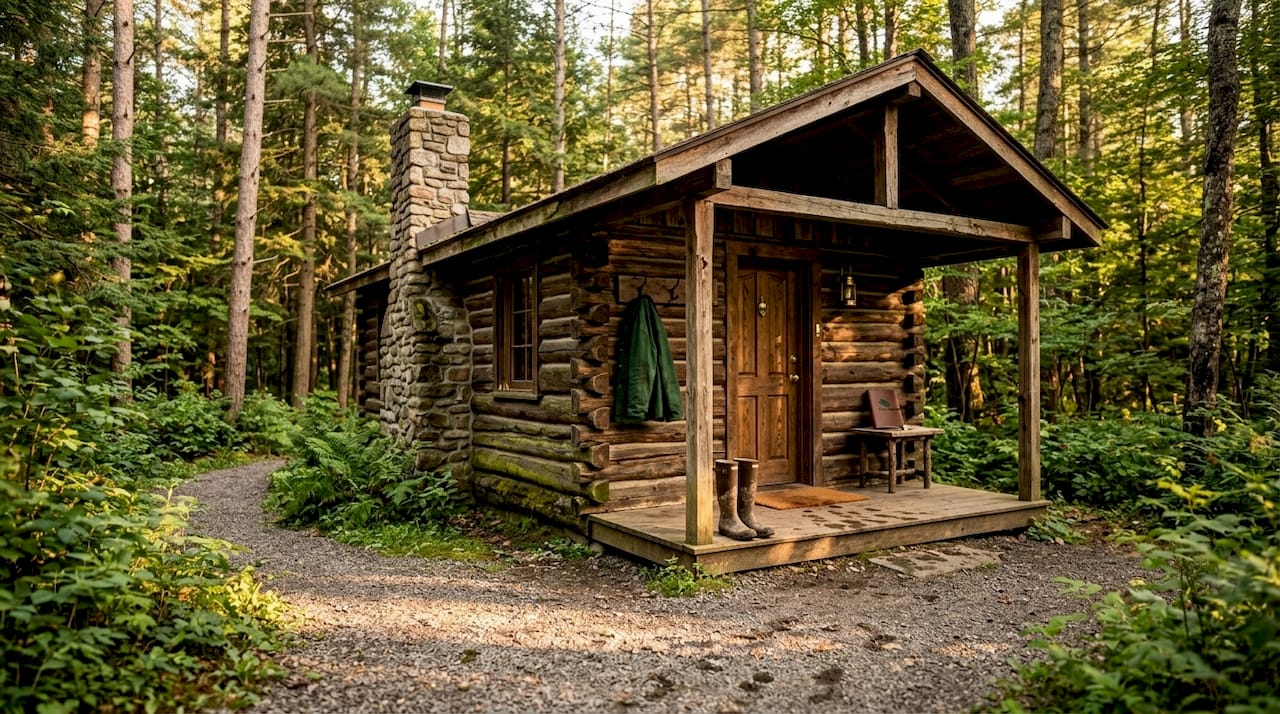
The challenge is maintenance. Log structures require periodic sealing, staining, and chinking to prevent moisture damage and insect intrusion. In humid climates, this upkeep is annual. You also need to budget for this from day one rather than treating it as a surprise expense.
Modern cabins with clean lines and large windows are increasingly preferred by short-term rental professionals for their lower maintenance burden and broader guest appeal. That does not mean log cabins are declining. It means you need to price your maintenance costs accurately and position the rustic experience as a premium feature to justify higher rates.
4. Modern prefab and modular cabins
Modern prefab cabins are changing what investors expect from a build timeline. Factory construction removes weather delays, and the finished structure arrives on site ready for final installation. Prefab construction methods typically deliver a completed structure in weeks rather than months.
The design appeal here is real. Large windows, clean siding, open floor plans, and smart material choices attract a design-forward guest who pays premium rates. These are not the boxy prefabs of 20 years ago. Many modern prefab cabins look like architect-designed structures at a fraction of the custom build cost.
From a regulatory standpoint, modular cabins built to local building codes on permanent foundations qualify for conventional financing and tend to move through the permitting process more smoothly. For investors who want speed and financing flexibility, this is one of the strongest options on the market in 2026.
5. Tiny cabins
Tiny cabins occupy a specific niche. They appeal to solo travelers, couples, and guests who want a minimalist getaway without paying for space they will not use. The low purchase cost makes them attractive for investors testing a new market or adding a second unit to an existing property.
The legal requirements are non-negotiable. Tiny homes under 400 sq ft must comply with IRC Appendix Q in many jurisdictions, covering ceiling heights, emergency egress windows, and stair access standards. Skipping this step means you cannot legally host overnight guests.
Pro Tip: Review our tiny cabin compliance guide before purchasing a structure under 400 sq ft. The legal details are specific, and getting them right upfront is far cheaper than retrofitting.
Tiny cabins work best when the outdoor experience is the main draw. Think: a platform with a fire pit, a mountain view, and a hot tub. The cabin itself does not need to be large when the surroundings deliver the experience.
6. Elevated cabins and treehouses
Elevated stays are a category of their own. Treehouses and sky cabins deliver a guest experience that no standard property can replicate, and they excel in forested or scenic markets where immersion in nature is the selling point.
Construction costs are higher. Engineering requirements for elevated platforms add expense, and some jurisdictions treat treehouses as accessory structures with their own permitting pathway. However, the premium nightly rates these properties command often justify the added investment.
Modern treehouses include full kitchens and bathrooms, which removes the "roughing it" friction that used to limit their appeal. If you have a wooded parcel and a solid budget, this cabin type has some of the strongest differentiation potential in the short-term rental market.
7. Rustic cabin designs with modern interiors
This hybrid approach is more of a design strategy than a construction category, but it deserves its own entry because it is increasingly what the market rewards. The exterior reads as a traditional rustic cabin design: board and batten siding, a metal roof, a covered porch. The interior delivers what modern guests actually expect: quartz counters, a soaking tub, smart lighting, and fast Wi-Fi.
This combination lets you market to guests who want the aesthetic of a cozy cabin getaway while delivering the comfort level of a boutique hotel. The result is a property that appeals to a wide audience and justifies premium pricing without being as expensive to build as a fully custom structure.
8. Family-friendly cabin options
Larger cabin footprints targeting families are a different investment calculation than smaller romantic retreats. Family-friendly cabin options typically run 800 to 1,500 square feet with multiple bedrooms, a full kitchen, and outdoor amenity space.
The revenue per booking is higher, but occupancy can be more seasonal. Families tend to travel in summer and during school breaks. If your market has year-round demand drivers like skiing or fall foliage, larger cabins can fill the calendar more consistently.
Customizable cabin designs make it easier to configure floor plans for families, adding bunk rooms, covered porches, and outdoor kitchens that families specifically search for on booking platforms.
9. Comparison of popular cabin styles
| Cabin type | Typical size | Cost range | Nightly rate potential | Maintenance level | Time to market |
|---|---|---|---|---|---|
| A-frame | 400 to 800 sq ft | $80K to $150K | $380 to $700 | Low to medium | 6 to 12 months |
| Log cabin | 600 to 2,000 sq ft | $100K to $300K | $200 to $500 | High | 12 to 18 months |
| Modern prefab | 300 to 1,200 sq ft | $60K to $200K | $200 to $450 | Low | 2 to 6 months |
| Tiny cabin | Under 400 sq ft | $25K to $80K | $100 to $250 | Low | 4 to 12 weeks |
| Treehouse/elevated | 200 to 600 sq ft | $150K to $400K | $300 to $600 | Medium | 12 to 24 months |
| Family cabin | 800 to 1,500 sq ft | $120K to $350K | $300 to $700 | Medium | 6 to 18 months |
The fastest path to revenue is almost always a prefab or tiny cabin with a strong outdoor amenity package. The highest revenue ceiling goes to A-frames, elevated stays, and well-appointed family cabins in high-demand markets.
10. Matching cabin type to your investment goals
Not every cabin type fits every investor. Here is how to think about alignment.
If you want the fastest time to market with the least regulatory friction, a modern prefab or modular cabin is your best move. These structures arrive quickly, qualify for traditional financing, and do not require you to manage a long site-build process.
If you are targeting a luxury market, the data is clear. Luxury cabin guests expect private hot tubs, saunas, and design-forward aesthetics as baseline amenities, not upgrades. Budget for these features from the start rather than adding them later.
If you are working with a tight budget but still want strong guest appeal, a hybrid approach works well. Prefab and owner-finished cabins balance factory-built speed with the ability to increase your nightly rate through custom interior finishes. You get the structure up fast, then invest in the interior details that guests photograph and rave about.
For tight zoning areas or urban-adjacent markets, tiny cabins with full IRC Appendix Q compliance are often the only practical option. They fit on smaller parcels and carry lower upfront costs, making them a reasonable first investment to prove out a market before scaling.
Pro Tip: One well-designed prefab cabin with strong outdoor amenities in the right location will outperform three mediocre properties. Think carefully about your location and amenity package before committing to scale.
My honest take on cabin short-term rentals
I have looked at enough rental data and build scenarios to say this clearly: most investors obsess over which cabin type looks best in photos and underinvest in understanding their local regulatory environment. That order of priority is backwards.
What I have found is that the cabin type matters less than the combination of location, legal compliance, and amenity quality. A well-appointed prefab in a strong short-term rental market will generate real revenue. An expensive custom log cabin in a market with restrictive short-term rental ordinances is just a liability.
The shift I am seeing in 2026 is that guests are not just looking for a pretty cabin. They want an exclusive-use experience in a natural setting with amenities that feel intentional. That means the gap between a thoughtfully designed prefab with a hot tub and a $300,000 custom build is narrowing in terms of guest satisfaction scores.
My practical advice is to start with the smallest footprint that delivers the experience your market demands. Get the outdoor amenities right. Use a prefab or modular structure to reduce your timeline and simplify financing. Then reinvest profits into upgrades rather than overcapitalizing before your first booking.
— Team
How Ez-cabin helps investors get to market faster
If you are seriously evaluating cabin types for a short-term rental investment, Ez-cabin offers a catalog of prefab, modular, and customizable structures designed to fit exactly this use case.
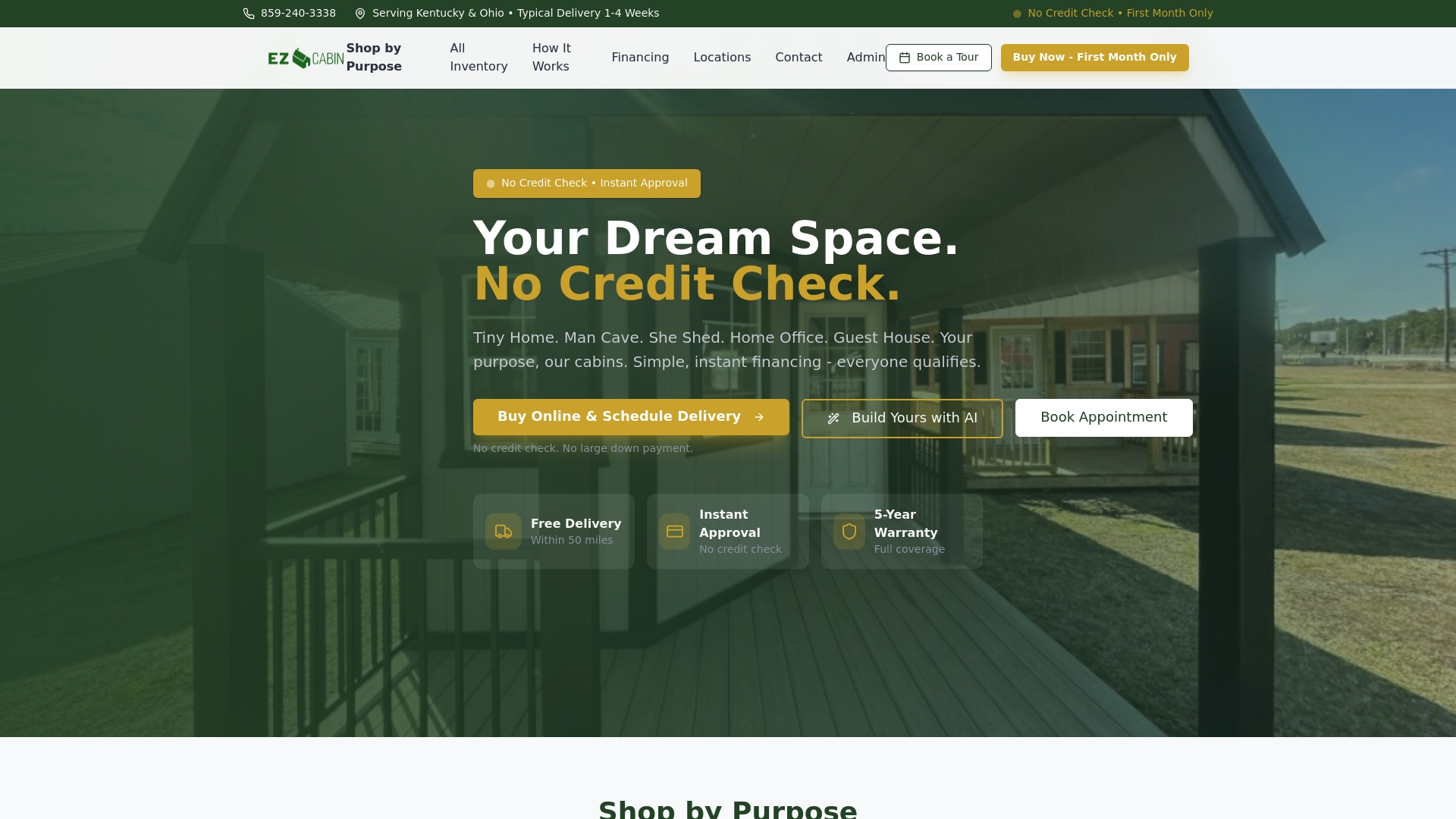
Every build can be personalized in real time through Ez-cabin's AI-powered design tools, so you can configure your layout, exterior colors, windows, and upgrades before committing. Financing is available with no credit check required, and delivery typically happens within one to four weeks. If you are in Kentucky or Ohio, you can visit one of the physical locations in London or Somerset to see structures in person. Browse Ez-cabin's full building catalog or explore rental investment scenarios to see how these structures fit real short-term rental strategies. You can also review flexible financing options to understand how to structure your acquisition without a large upfront payment.
FAQ
What types of cabins earn the most on Airbnb?
A-frame cabins consistently rank among the top earners, with nightly rates from $380 to $700 due to strong photo appeal and high search demand on booking platforms.
Do tiny cabins need permits for short-term rentals?
Yes. Permit exemptions rarely apply to habitable overnight accommodations regardless of size, and tiny cabins under 400 sq ft must meet IRC Appendix Q requirements in most jurisdictions.
Are prefab cabins a good investment for short-term rentals?
Prefab and modular cabins are one of the strongest options for investors because they qualify for conventional financing, meet local building codes, and reach market significantly faster than site-built alternatives.
What is the best cabin type for beginners?
A modern prefab or tiny cabin with a strong outdoor amenity package gives first-time investors the fastest path to revenue with the lowest regulatory complexity and the most accessible financing terms.
How important are amenities compared to cabin style?
Amenities are equally important as design. Luxury guests now expect private hot tubs and intentional design as standard features, meaning a well-equipped smaller cabin will often outperform a larger but under-furnished property.