
TL;DR:
- Sheds are accessory structures built mainly for storage or utility purposes without utilities, while tiny homes are designed for full-time living with utilities and proper insulation. Permitting, zoning, and inspection processes differ significantly, with tiny homes usually requiring more approvals and staged inspections. Understanding local regulations before purchasing ensures structures are legally compliant and suitable for their intended use, preventing costly mistakes.
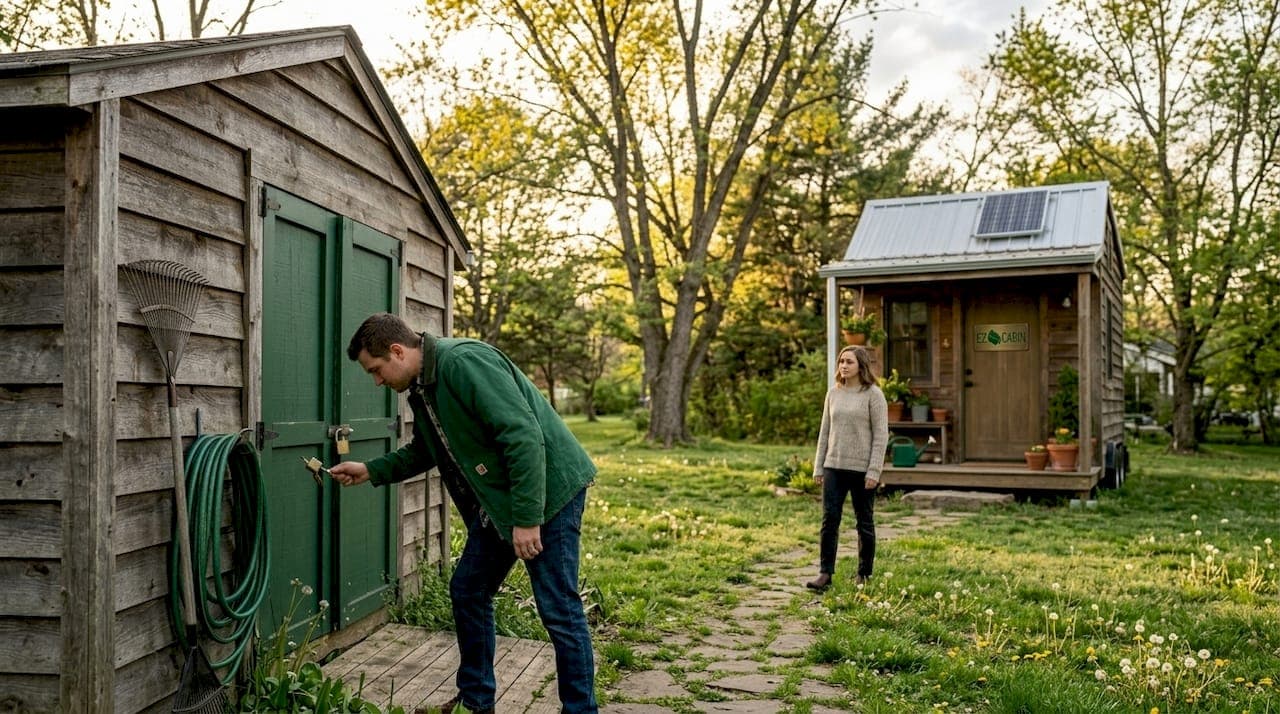
Walk through any neighborhood in Kentucky or Ohio and you'll spot both sheds and tiny homes on residential lots. Many buyers assume the two are close relatives, different mostly in size and price. That assumption leads to real trouble. The legal, structural, and zoning differences between a shed and a tiny home are significant enough to cost you thousands of dollars, a failed inspection, or an order to remove a structure you just paid for. This guide breaks down exactly what separates these two structures so you can move forward with confidence, not regret.
Table of Contents
- What is a shed? What is a tiny home?
- Key differences in construction, permits, and codes
- Common use cases: storage, living, and more
- Pitfalls and success stories: real Kentucky and Ohio experiences
- The truth most guides miss about sheds and tiny homes
- Ready to design your shed or tiny home?
- Frequently asked questions
Key Takeaways
| Point | Details |
|---|---|
| Permit needs differ | Small sheds may be exempt, but utilities or tiny homes usually trigger permits and inspections. |
| Zoning trumps plans | Local zoning restrictions can stop your project before it begins, so always check first. |
| Purpose defines structure | The right choice depends on whether you need simple storage or a full-time, legal living space. |
| Legal steps first | Always prioritize code and zoning research to avoid costly surprises after purchase. |
What is a shed? What is a tiny home?
Before comparing them side by side, it helps to define each structure on its own terms. The word "shed" gets stretched to mean almost anything with four walls and a roof, but a true shed is a detached, accessory structure built primarily for storage, workspace, or utility purposes. Sheds typically range from 64 to 400 square feet, sit on a gravel pad or skids, and lack plumbing, insulation, and finished interiors.
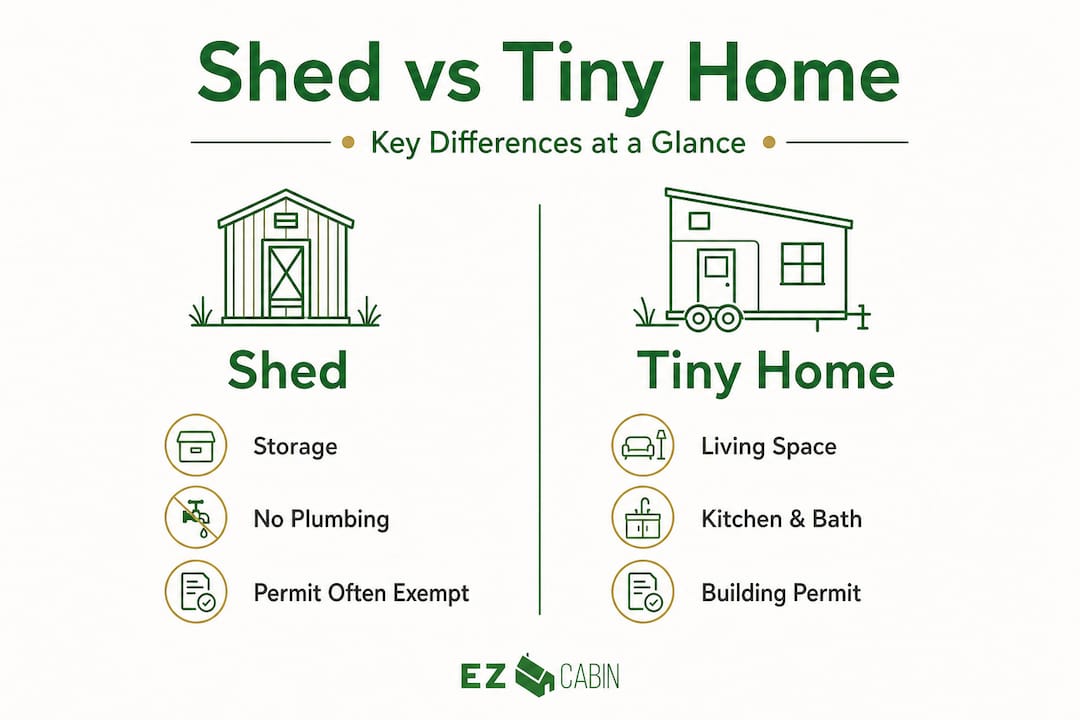
A tiny home is a different animal. It is designed and built to be lived in, which means it needs insulation, a kitchen, a bathroom with utility hookups, proper ventilation, and egress windows. Tiny homes typically run from 100 to 500 square feet on a foundation or a wheeled trailer. The moment a structure is intended as a dwelling, it enters a completely different regulatory category, even if it physically looks similar to a large shed.
One important note: shed to tiny home conversion is a popular project, but converting after purchase is far more complicated than choosing the right structure upfront. Understanding shed terminology before you shop also helps you ask better questions and avoid being sold something that does not fit your needs.
Shed vs. tiny home at a glance
| Feature | Shed | Tiny home |
|---|---|---|
| Typical size | 64–400 sq ft | 100–500 sq ft |
| Intended use | Storage, workspace | Dwelling, full-time living |
| Insulation | Rarely standard | Always included |
| Plumbing | Not standard | Required for dwelling |
| Electrical | Optional, triggers permit | Standard |
| Average cost | $1,500–$15,000 | $25,000–$80,000+ |
| Permit typically required | Not always | Almost always |
Main uses of each structure
Sheds are built for:
- Lawn and garden tool storage
- Workshop and hobby space
- Home office without plumbing
- Pool equipment and seasonal storage
- Pet housing (non-dwelling use)
Tiny homes are built for:
- Full-time primary residence
- Long-term guest housing
- Accessory dwelling unit (ADU) rentals
- Vacation or short-term rentals
- Downsizing or minimalist living
In Kentucky, most one-story detached sheds under 120–200 sq ft generally do not require a building permit unless they incorporate utilities. That is a meaningful distinction because it keeps the barrier to entry low for most homeowners who simply want extra storage.
Pro Tip: Be clear about your intended use before you purchase anything. If you tell a seller "I just want storage" but secretly plan to sleep in the structure, you are setting yourself up for code violations and potential removal orders down the road.
Key differences in construction, permits, and codes
Once you understand what each structure is, the next step is understanding the rules that govern them. This is where Kentucky and Ohio homeowners consistently run into surprises.
Permitting in Kentucky and Ohio
Permits are not just bureaucratic paperwork. They protect you from structural failures, insurance gaps, and resale complications. Adding electrical or plumbing to a shed triggers permit requirements even if the shed would otherwise be exempt by size. That single fact catches more homeowners off guard than almost anything else.
For tiny homes, the picture is more complex. Tiny homes on wheels may run into zoning obstacles and staged inspection requirements rather than a straightforward approval on delivery. Municipalities often require inspections at the foundation stage, the framing stage, and the mechanical stage. A fully finished tiny home delivered from a factory may fail inspection simply because inspectors never had access to those earlier stages.
Jurisdiction comparison table
| Factor | Shed (KY/OH typical) | Tiny home (KY/OH typical) |
|---|---|---|
| Code category | Accessory structure | Residential dwelling |
| Permit trigger | Size threshold + utilities | Always required |
| Zoning category | Residential accessory | Primary or secondary dwelling |
| Setback rules | Usually 5–10 ft from property line | Same as primary residence |
| Inspection stages | One final inspection (if any) | Multiple staged inspections |
| Certificate of occupancy | Not required | Required for legal habitation |
Typical steps for shed approval vs. tiny home approval
For a shed:
- Check your county's size threshold for permit exemption.
- Confirm setback requirements from property lines and easements.
- Avoid adding utilities if you want to stay exempt.
- Schedule a single final inspection if your shed exceeds the exempt size.
- Keep documentation of your structure's dimensions on file.
For a tiny home:
- Research your zoning district to confirm tiny homes are allowed.
- Submit a full building permit application with structural drawings.
- Schedule a foundation inspection before pouring or anchoring.
- Complete framing and rough mechanical inspections mid-build.
- Pass a final occupancy inspection before moving in.
- Receive your certificate of occupancy.
Reviewing shed setup steps before delivery helps you avoid placement mistakes that could trigger setback violations. And if you are considering a more functional outbuilding, the livable sheds guide walks through what upgrades keep you compliant versus what changes push you into residential code territory.
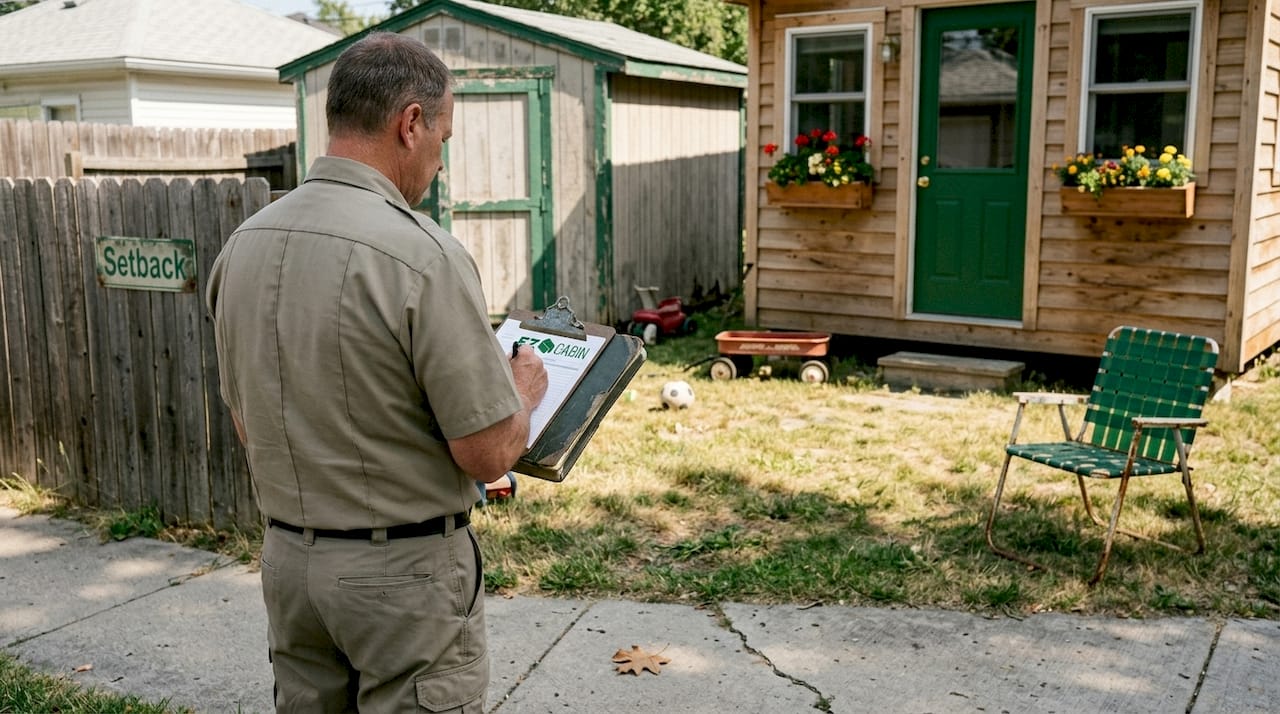
Pro Tip: Even when a permit is not required, zoning setbacks still apply. A shed placed three feet from your neighbor's fence might be legal size-wise but illegal placement-wise. Always verify both permit and zoning rules before scheduling delivery.
Common use cases: storage, living, and more
Rules and definitions are just the start. Your intended use is what truly shapes your decision, and matching the right structure to the right use case saves you from costly do-overs.
Best uses for a shed
- Tool and equipment storage: The classic use. A 12x20 shed keeps your lawn mower, snow blower, and hand tools dry and organized.
- Workshop: Add a workbench, pegboard, and good lighting and you have a functional space for woodworking, welding, or auto repair.
- Home office: A 10x12 shed with a window unit and basic wiring provides a quiet work-from-home space. Keep plumbing out of the equation and you often avoid permits altogether.
- Garden shed: Raised beds, pots, seed trays, and soil bags all need a home.
Best uses for a tiny home
- Primary residence: Particularly appealing for retirees, minimalists, and people paying off land before building a larger home.
- Guest house: A permanent guesthouse on your property adds real value without the cost of a full addition.
- Rental unit: Short-term and long-term rental income is compelling, but the legal and code hurdles are significant before you collect your first check.
- Airbnb-style vacation rental: Popular in rural Kentucky and Ohio near lakes and parks, but local regulations vary enormously.
The hard reality is that many municipalities enforce zoning codes that may exclude tiny homes, particularly those on wheels, regardless of whether the structure can physically be sited or delivered. This is the most important fact tiny home buyers overlook.
What happens when a shed gets used as a home without proper approval? Your county or municipality can issue a stop-use order, assess fines, or require you to remove the structure. Worse, your homeowner's insurance may deny a claim if the structure was not permitted or used according to code.
Guides on making sheds livable and reviewing home office shed options are a good starting point if you want to use a shed for more than storage without crossing into residential territory.
Pro Tip: Renting out a tiny home is a high-reward strategy, but it carries real risk if you skip the legal groundwork. Before listing anything on a rental platform, confirm your zoning allows short-term rentals, get the proper permit, and check whether your county requires a rental license.
Pitfalls and success stories: real Kentucky and Ohio experiences
Learning from others in your region beats learning from your own expensive mistakes.
Common failure points
- Placing a shed too close to a property line and being forced to move it after delivery.
- Adding an electrical panel to a shed without pulling a permit, then failing a home inspection when selling the property.
- Purchasing a tiny home on wheels and discovering the target county does not allow them outside of designated parks.
- Assuming a delivery from a factory counts as a complete inspection-ready structure for tiny home purposes.
- Skipping a conversation with local planning officials and only finding out about zoning restrictions after spending money.
What success looks like
- Calling the county planning office before purchasing and confirming exactly what structures are permitted on the lot.
- Choosing a permit-exempt shed size and using it strictly for storage, avoiding the entire permitting process legally.
- Working with a builder who understands local codes and helps stage inspections correctly for a tiny home project.
- Selecting a foundation-based tiny home instead of a wheeled unit, which significantly expands where it can legally go.
- Documenting everything: site plans, permits, inspections, and approvals create a clean paper trail that protects resale value.
"Many buyers fail on zoning or run into staged inspection demands despite being able to purchase a structure off the lot. The building itself is the easy part. The land and the rules are where plans fall apart."
That quote captures the core challenge perfectly. The structure is almost never the problem. The problem is what your specific county, city, or municipality will and will not allow on your specific parcel of land.
If you are looking at the financial side of the equation, reading up on affordable portable cabins gives a useful overview of what delivery-ready structures cost and what value they can realistically provide.
The truth most guides miss about sheds and tiny homes
Most articles on this topic give you a features comparison and leave you to figure out the rest. Here is what we have actually learned from helping Kentucky and Ohio homeowners navigate this process: the structure itself is rarely the obstacle. The code environment is.
Buyers get excited about square footage, interior finishes, and price points. Those things matter, but they are secondary to one simple question: "Is this structure legally allowed on my property for my intended use?" If the answer is no, none of the other details matter.
The biggest mistake we see is what you might call the "build it and they'll approve it" mindset. Buyers purchase a structure because it physically fits on their land, assuming the county will work something out. That assumption is dangerously wrong in both Kentucky and Ohio, where zoning rules vary not just county to county but sometimes zone to zone within the same county.
Regulatory barriers, not cost, are the number one stumbling block for tiny home buyers in this region. The cost of a tiny home has come down significantly over the past decade. The regulatory environment has not kept pace.
The smarter approach is to work backward. Start with your county's zoning map. Confirm your parcel's zoning designation. Call the planning office and ask directly what types of accessory structures and dwellings are allowed. Then, and only then, choose your structure. This approach feels slower but it consistently produces better outcomes than buying first and asking questions later.
Reading up on choosing the right portable building is a helpful next step once you have confirmed what your land legally supports. The upfront code-first plan always beats the cheap-upgrade gamble.
Ready to design your shed or tiny home?
At EZ-Cabin, we believe the buying process should match how smart homeowners actually make decisions: with full information, real customization options, and no unnecessary friction. Our AI-powered tools let you visualize your structure before you commit, adjusting size, layout, colors, windows, and doors in real time so what you see is exactly what gets delivered.
Whether you are leaning toward a permit-exempt storage shed or a fully outfitted cabin, you can customize your own building from scratch and see exactly how it will look on your property. For those who want to explore options side by side, our building configurator makes it easy to compare layouts and features before finalizing anything. Most buildings ship within one to four weeks, and our guaranteed financing means no credit check stands between you and your structure. If you want to see our inventory in person, visit our locations in London, KY or Somerset, KY.
Frequently asked questions
Do I need a permit to put a shed on my property in Kentucky or Ohio?
In Kentucky, most detached sheds under 120–200 sq ft do not require a building permit unless you add plumbing or electrical, but you must always follow local zoning and setback rules.
Can I live in a shed or a tiny home in my backyard legally?
Living in a shed is rarely legal unless it meets full residential codes. Tiny homes may be allowed if they comply with zoning, but many municipalities restrict where tiny homes can go, especially structures on wheels.
What is the main difference between a shed and a tiny home?
A shed is built for storage or workspace with no plumbing or residential features. A tiny home is designed to be lived in with full utilities, proper insulation, and code compliance for habitation.
Why might my city deny my tiny home even after purchase?
Many cities restrict where tiny homes can be placed, and municipalities may not approve a fully built house delivered from a factory because local inspectors never had access to the staged inspection points during construction.