
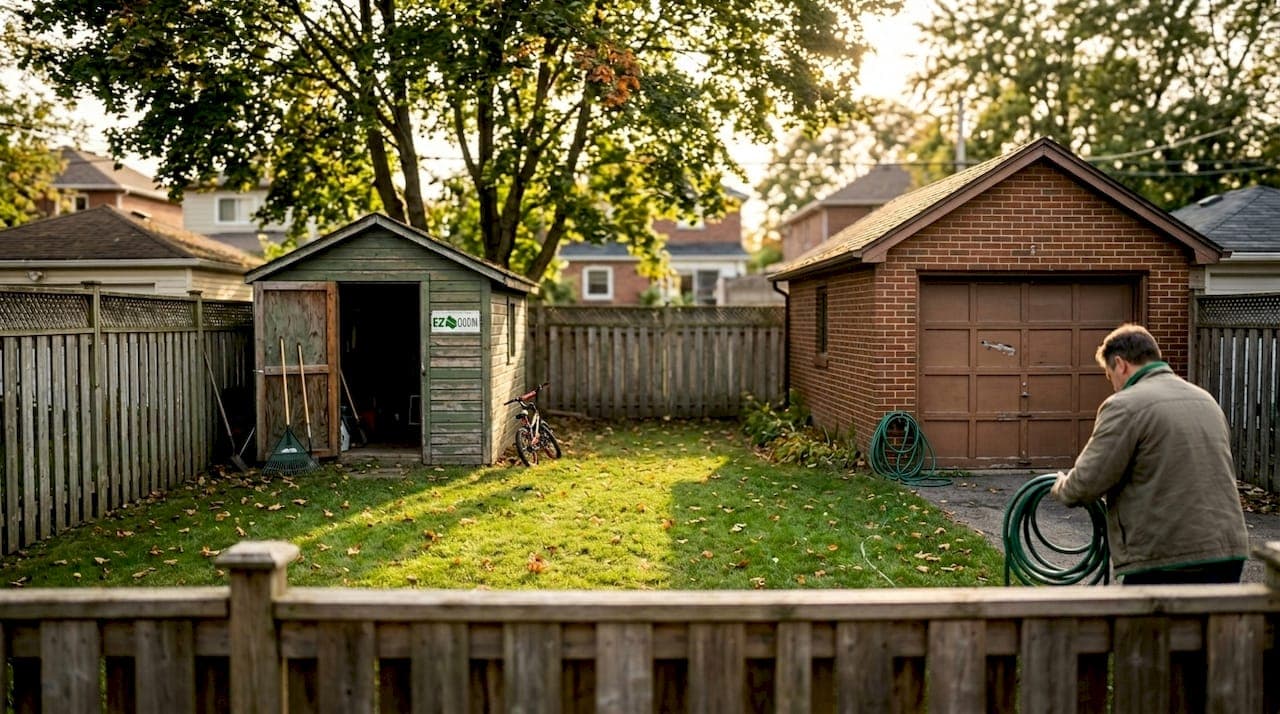
Most homeowners assume sheds and garages serve interchangeable purposes, but that misconception can cost thousands in wasted investment or missed property value. The reality is these structures differ dramatically in construction requirements, costs, and long-term benefits. Choosing the wrong one for your Kentucky or Ohio property can mean overspending on features you don't need or underinvesting in protection that matters. This guide breaks down the critical differences between sheds and garages, explores local regulations that impact your decision, and helps you determine which structure aligns with your budget, needs, and property goals.
Table of Contents
- Key Takeaways
- Understanding the basics: what are sheds and garages?
- Cost, construction, and regulations: what Kentucky and Ohio homeowners need to know
- Comparing value and functionality: shed vs garage advantages and trade-offs
- How to decide: choosing the right outdoor structure for your Kentucky or Ohio property
- Explore rent-to-own sheds and garages at EZ-Cabin
- Frequently asked questions
Key Takeaways
| Point | Details |
|---|---|
| Garage value boost | Garages generally increase property value more than sheds due to durable construction and versatile space. |
| Protection difference | Garages offer superior protection for vehicles and stored items compared to sheds. |
| Frost line requirement | Kentucky and Ohio require frost line footings 24 to 36 inches deep for garages, increasing foundation costs. |
| Budget and plans | Your decision should align with budget, intended use, and long term property plans rather than assuming equivalence. |
Understanding the basics: what are sheds and garages?
Sheds are compact, prefabricated structures designed primarily for storage and light workspace applications. Most measure between 8x10 and 12x16 feet, constructed from wood panels, metal siding, or vinyl materials. You'll find sheds holding lawn equipment, garden tools, seasonal decorations, or serving as hobby spaces for woodworking and crafting. Their simpler construction means faster installation and lower material costs, but also less durability against severe weather and temperature extremes.
Garages are substantially larger permanent buildings built to house vehicles while providing protected storage and functional workspace. Standard single-car garages start at 12x20 feet, while two-car versions reach 20x20 feet or larger. Construction involves insulated walls, concrete foundations, and structural framing designed to withstand decades of use. Many homeowners convert garage space into workshops, home gyms, or even additional living areas with proper finishing.
The material differences matter significantly for longevity and protection. Sheds typically use thinner wall panels without insulation, making them vulnerable to moisture damage and temperature fluctuations. Garages feature thicker walls with vapor barriers, insulation options, and weatherproofing that maintains stable interior conditions year-round. This construction gap explains why garages command higher prices but deliver superior protection for valuable equipment and vehicles.
Common shed applications include:
- Garden tool and equipment storage
- Seasonal item organization
- Home office or creative workspace
- Hobby and craft areas
- Pool equipment housing
Typical garage uses extend beyond vehicle storage:
- Protected parking for cars, trucks, motorcycles
- Climate-controlled workshop space
- Home gym or recreation area
- Additional storage with shelving systems
- Potential living space conversion
The functional limitations become apparent in extreme weather. Sheds offer minimal protection against Kentucky and Ohio winters, where temperatures regularly drop below freezing. Stored paint, chemicals, and sensitive equipment can freeze or degrade without climate control. Garages maintain more stable conditions, protecting both vehicles and stored items from temperature damage and moisture intrusion.
Cost, construction, and regulations: what Kentucky and Ohio homeowners need to know
Budget considerations separate sheds and garages dramatically. Quality sheds range from $1,500 for basic 8x10 models to $8,000 for larger custom designs with upgraded materials. Garages start around $15,000 for simple single-car structures and easily exceed $40,000 for two-car versions with finished interiors and electrical systems. Installation costs add another layer, with sheds requiring minimal site prep versus garages needing extensive foundation work.
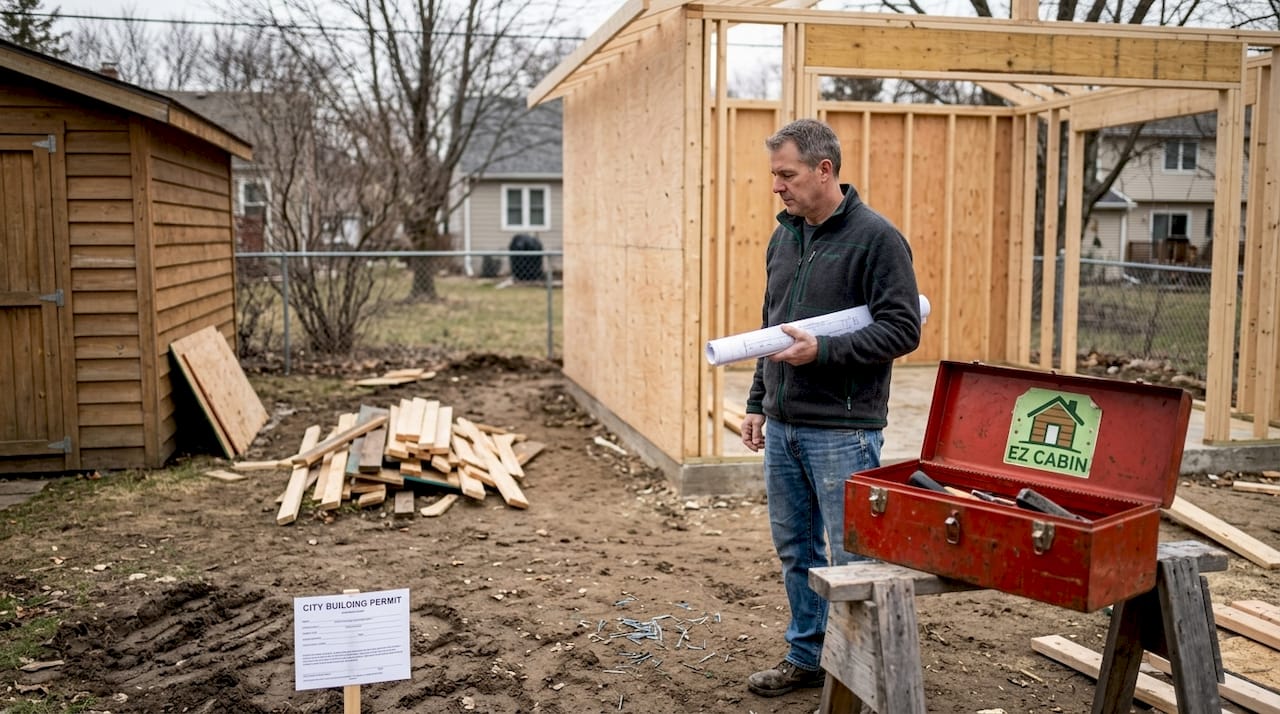
Kentucky and Ohio building codes impose strict foundation requirements that significantly impact garage construction costs. Both states mandate frost line footings extending 24 to 36 inches deep to prevent foundation heaving during freeze-thaw cycles. This regulation protects structural integrity but adds thousands in excavation, concrete, and labor expenses. Sheds typically avoid these requirements by using surface-level foundations like gravel pads or concrete slabs without deep footings.
Permit processes differ substantially between structure types. Garages require building permits, foundation inspections, and final occupancy approvals in most Kentucky and Ohio municipalities. The permit application involves submitting construction plans, paying fees ranging from $200 to $800, and scheduling multiple inspections throughout the build. Sheds under certain size thresholds often qualify for permit exemptions, though local zoning ordinances vary. Always verify requirements with your county building department before purchasing either structure.
Pro Tip: Portable garages offer a middle-ground solution that meets vehicle protection needs without permanent foundation requirements, potentially saving 40 to 60 percent compared to traditional garage construction while still providing weather protection.
Construction timeline expectations:
- Sheds: Delivered and installed within one to four weeks
- Portable garages: Similar timeline to sheds with minimal site prep
- Traditional garages: Two to six months including permits, foundation curing, and construction
The regulatory complexity extends to property setbacks and easements. Garages must typically sit at least 10 feet from property lines and maintain specific distances from homes and septic systems. Sheds face similar but often less restrictive setback requirements. Homeowners associations may impose additional restrictions on both structure types, including approved colors, materials, and placement locations. Research these limitations early to avoid costly redesigns or permit denials.
Optimizing available space becomes crucial when deciding between structures. Garages demand larger footprints and clearance zones, potentially consuming significant yard space. Sheds fit into tighter areas, preserving more usable outdoor space for landscaping or recreation. Consider your property's layout and future plans before committing to either option.
Comparing value and functionality: shed vs garage advantages and trade-offs
Property value impact separates these structures most dramatically. Garages typically increase home resale value by 10 to 15 percent of the structure's cost, with some markets seeing even higher returns. A $30,000 garage might add $3,000 to $4,500 in property value, though location and quality significantly influence actual returns. Sheds rarely contribute more than their replacement cost to property value, and many appraisers assign minimal value to basic storage sheds.
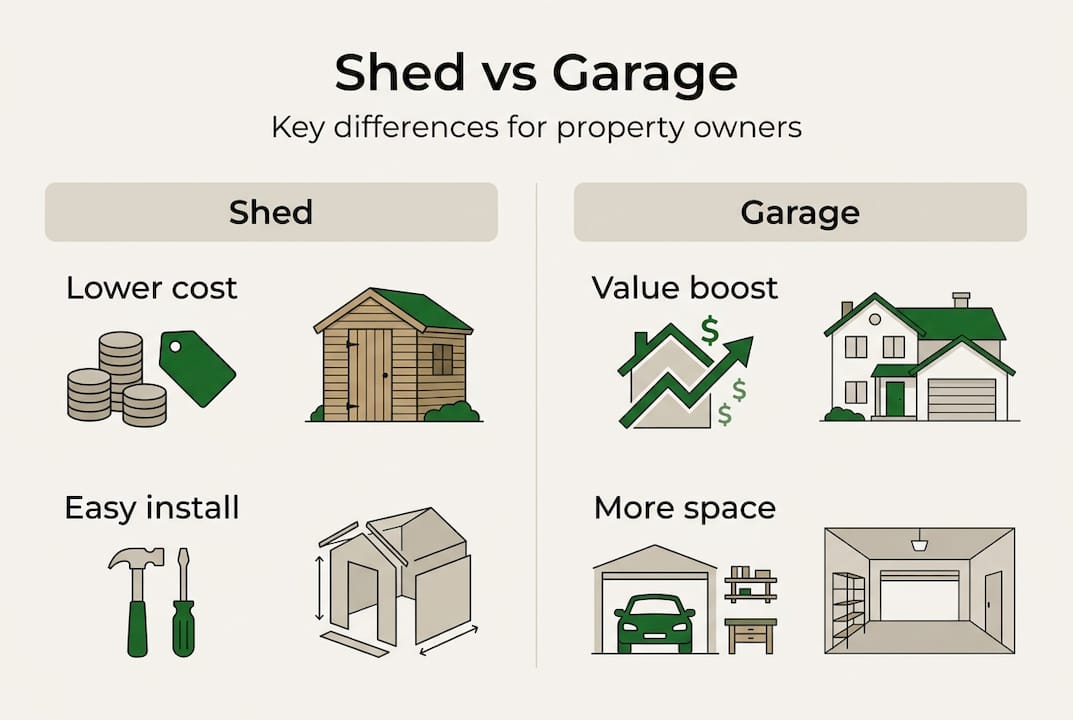
| Comparison Factor | Shed | Garage |
|---|---|---|
| Initial investment | $1,500 to $8,000 | $15,000 to $40,000+ |
| Square footage | 80 to 192 sq ft typical | 240 to 800+ sq ft |
| Weather protection | Basic, uninsulated | Superior, climate-controlled |
| Property value boost | Minimal to none | 10-15% of construction cost |
| Permit requirements | Often exempt under size limits | Always required |
| Foundation depth | Surface level (0-4 inches) | Deep footings (24-36 inches) |
| Typical lifespan | 10 to 20 years | 30 to 50+ years |
| Primary function | Storage and hobbies | Vehicle protection and workspace |
| Customization options | Limited by prefab design | Extensive finishing possibilities |
| Resale appeal | Neutral to slight positive | Strong buyer attraction |
Durability differences become apparent over time. Quality sheds last 10 to 20 years with proper maintenance, while garages easily exceed 30 years with minimal upkeep. The construction gap explains this longevity difference. Shed materials deteriorate faster under UV exposure, moisture, and temperature cycling. Garage construction withstands these elements through superior materials, weather barriers, and structural engineering.
Decision-making framework for choosing your structure:
- Define primary purpose: vehicle storage demands garages, while garden tools fit sheds perfectly
- Assess budget constraints: calculate total costs including foundation, permits, and long-term maintenance
- Evaluate property plans: staying long-term justifies garage investment, short-term ownership favors sheds
- Research local regulations: verify permit requirements and setback rules before committing
- Consider climate needs: Kentucky and Ohio winters require insulated protection for temperature-sensitive items
- Factor resale expectations: garages appeal strongly to buyers, sheds add minimal market value
Pro Tip: Calculate the cost per square foot for both options before deciding. Garages cost more upfront but deliver significantly more usable space per dollar when you factor in durability and functionality over their lifespan.
Customization possibilities differ substantially. Sheds come mostly prefabricated with limited modification options beyond paint colors and basic accessories. Garages offer extensive customization including finished interiors, electrical systems, plumbing for utility sinks, heating and cooling, and even second-story additions. This flexibility makes garages adaptable to changing needs over decades of ownership.
Functional trade-offs require honest assessment. Sheds excel at affordable, quick storage solutions without regulatory hassle. They work perfectly for homeowners needing simple equipment storage without vehicle protection requirements. Garages demand higher investment and longer installation timelines but deliver superior protection, greater functionality, and measurable property value increases. The right choice depends entirely on your specific circumstances, budget, and long-term property goals.
Modern shed designs have evolved beyond basic storage boxes. Today's premium sheds incorporate better materials, improved weather sealing, and attractive designs that complement home architecture. While still not matching garage durability, these upgraded sheds bridge some functionality gaps at price points below traditional garage construction.
How to decide: choosing the right outdoor structure for your Kentucky or Ohio property
Your decision hinges on answering several critical questions about needs, budget, and future plans. Start by defining the structure's primary purpose. Vehicle storage and protection point clearly toward garages, while seasonal storage and hobby space often work perfectly in sheds. Be honest about what you'll actually store rather than imagining ideal scenarios that may never materialize.
Budget analysis must extend beyond initial purchase price. Calculate total ownership costs including:
- Structure purchase or construction costs
- Foundation and site preparation expenses
- Permit fees and inspection costs
- Delivery and installation charges
- Annual maintenance and repair budgets
- Property tax increases from added value
- Insurance adjustments for additional structures
Kentucky and Ohio's climate demands consideration. Both states experience temperature swings from below zero in winter to over 90 degrees in summer. Sheds offer no climate control, exposing stored items to these extremes. Paints freeze, wood warps, and metal tools rust without proper protection. Garages maintain more stable conditions, protecting investments in vehicles, tools, and equipment from weather damage.
Property value considerations matter most for homeowners planning to sell within five to ten years. Garages appeal strongly to buyers, often becoming deciding factors between comparable homes. Sheds rarely influence buying decisions unless exceptionally well-designed or purpose-built for specific uses. If resale value matters, garages deliver measurably better returns despite higher initial costs.
Local regulations require thorough research before purchasing either structure. Contact your county building department to verify:
- Permit requirements for your specific property zone
- Setback distances from property lines and existing structures
- Maximum structure sizes without special approvals
- Homeowners association restrictions and approval processes
- Utility easement limitations on placement
Future flexibility deserves consideration. Garages adapt easily to changing needs through interior finishing, electrical upgrades, or workspace modifications. Sheds serve dedicated purposes but resist repurposing beyond their original design. If your needs might evolve, garages offer greater long-term adaptability despite higher upfront investment.
Pro Tip: Visit existing structures in your neighborhood to see how sheds and garages age in your specific climate. Talk to neighbors about maintenance requirements, unexpected costs, and whether they'd make the same choice again. Real-world experience beats theoretical comparisons.
Consider your DIY capabilities honestly. Sheds often arrive as kits requiring assembly, though many retailers offer installation services. Garages demand professional construction unless you possess significant building experience and proper tools. Factor installation complexity into your decision, especially if you plan to tackle the project yourself to save money.
The decision ultimately balances immediate affordability against long-term value and functionality. Sheds win for tight budgets and simple storage needs. Garages justify their cost through superior protection, property value increases, and decades of reliable service. Neither choice is inherently wrong, but matching the structure to your specific situation ensures satisfaction with your investment.
Explore rent-to-own sheds and garages at EZ-Cabin
If you're weighing the benefits of sheds versus garages but concerned about upfront costs, EZ-Cabin's rent-to-own program makes ownership accessible without the financial strain of traditional purchases. Our flexible payment plans require only the first month's payment to get started, with no credit check financing that guarantees approval regardless of your credit history. This approach eliminates the barrier that stops many Kentucky and Ohio homeowners from getting the outdoor structure they need.

Beyond affordable access, EZ-Cabin provides tools to protect your investment. Our Base44 APP security system monitors your structure 24/7, sending instant alerts if anyone attempts unauthorized access. This protection matters whether you're storing expensive tools in a shed or parking vehicles in a garage. We deliver across Kentucky and Ohio within one to four weeks, and our AI-powered customization tools let you design your ideal structure before purchase.
Pro Tip: EZ-Cabin's rent-to-own approach lets you start with a shed now and upgrade to a garage later as your needs and budget evolve, without losing your investment in the initial structure.
Key benefits of choosing EZ-Cabin:
- Flexible payment plans with guaranteed approval
- No credit check required for financing
- Wide selection of sheds and garages
- Local delivery across Kentucky and Ohio
- Advanced security monitoring included
- AI-powered design customization
- Physical showrooms in London and Somerset, KY
Frequently asked questions
Is a garage worth more than a shed when selling a home in Kentucky or Ohio?
Yes, garages typically add 10 to 15 percent of their construction cost to property resale value, while sheds contribute minimal value. Buyers view garages as essential features for vehicle protection and storage, especially in Kentucky and Ohio's variable climate. Sheds serve practical purposes but rarely influence purchase decisions unless exceptionally well-designed or integrated into property landscaping.
What permits are required for building a garage vs a shed in Kentucky and Ohio?
Garages always require building permits due to foundation depth requirements and structural codes in both states. The permit process includes plan submission, foundation inspections, and final occupancy approval. Sheds under specific size thresholds, typically 120 to 200 square feet depending on county regulations, often qualify for permit exemptions. Always verify requirements with your local building department before purchasing either structure.
Can I use a shed as a workshop or storage space instead of a garage?
Absolutely. Many homeowners successfully use sheds as workshops for woodworking, crafting, or hobby projects when garage space isn't available or affordable. Sheds cost significantly less and install faster than garages, making them practical for dedicated workspace needs. However, sheds lack climate control and weather protection, so temperature-sensitive tools and materials may require additional protection during Kentucky and Ohio's extreme seasonal temperatures.
How deep do garage foundations need to be in Kentucky and Ohio?
Both states require garage foundations to extend below the frost line, typically 24 to 36 inches deep depending on your specific county. This depth prevents foundation heaving caused by freeze-thaw cycles that would crack concrete and destabilize the structure. Sheds usually avoid this requirement by using surface-level foundations, significantly reducing installation costs and complexity.
What's the typical lifespan difference between sheds and garages?
Quality sheds last 10 to 20 years with proper maintenance, while well-built garages easily exceed 30 to 50 years of service. The durability gap stems from construction differences: garages use superior materials, deeper foundations, and weather-resistant design that withstands decades of exposure. Sheds use lighter materials that deteriorate faster under UV exposure, moisture, and temperature cycling common in Kentucky and Ohio climates.