
TL;DR:
- She sheds are personalized outdoor retreats designed for hobbies, relaxation, or solitude.
- Planning must account for permits, utilities, and local zoning rules to avoid setbacks.
- Customization and proper design increase comfort and enjoyment, making she sheds functional lifestyle spaces.
Most Kentucky and Ohio homeowners hear "she shed" and picture an old utility building with a fresh coat of paint. That mental image sells the idea way short. A she shed is a purpose-built personal retreat, a space outside your main home where you can pursue hobbies, find quiet, or simply breathe. It is a lifestyle choice, not just a storage upgrade. This guide breaks down exactly what a she shed is, how it compares to other backyard structures, what regional permits you need to know about, and how to make the space completely your own.
Table of Contents
- What exactly is a she shed?
- Comparing she sheds to other backyard structures
- Planning and building a she shed in Kentucky and Ohio
- Personalizing your she shed: Design ideas and uses
- Why the she shed boom is more than a trend: What KY & OH homeowners miss
- Ready to create your own she shed?
- Frequently asked questions
Key Takeaways
| Point | Details |
|---|---|
| She shed definition | A she shed is a dedicated backyard retreat for hobbies, creative work, or relaxation. |
| Difference from standard sheds | She sheds are customized and focus on personal use, unlike basic utility sheds. |
| Local regulations matter | Kentucky and Ohio homeowners must follow local permit and zoning rules for sheds. |
| Personalization potential | She sheds offer extensive customization, from décor to amenities for all interests. |
| Pathway to owning one | Affordable options, DIY guides, and financing make she sheds accessible in 2026. |
What exactly is a she shed?
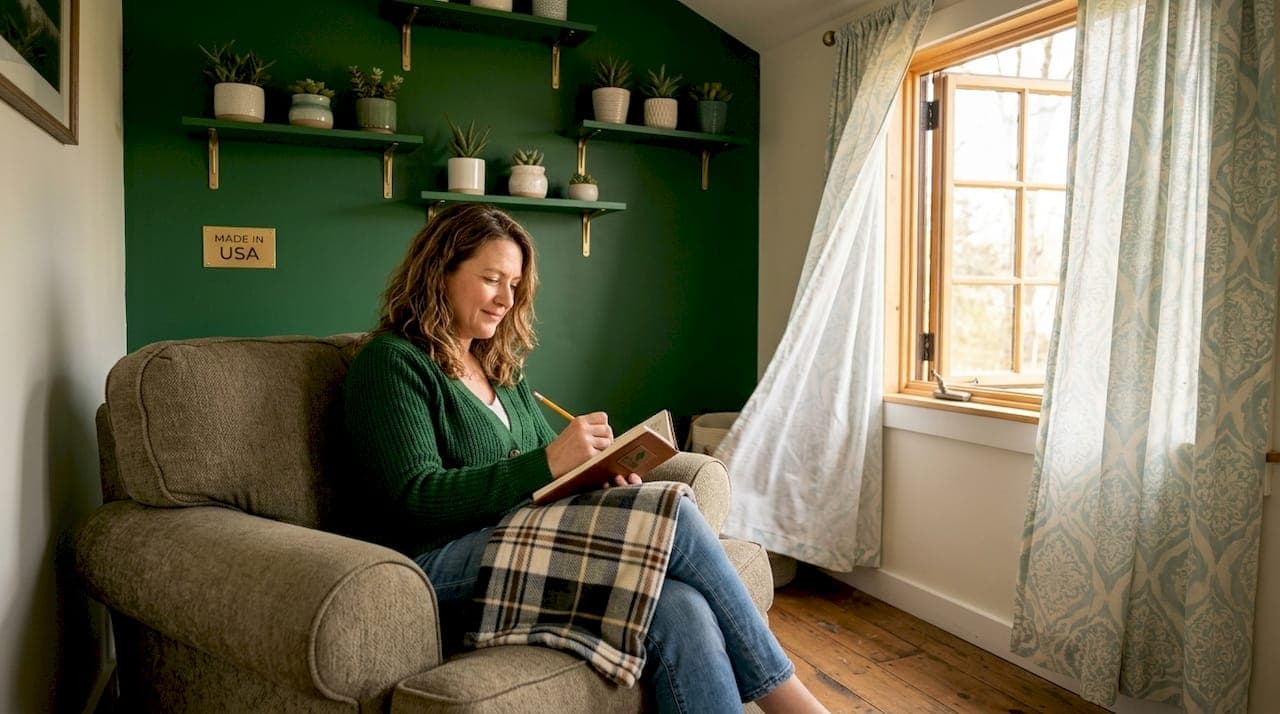
The term gets tossed around a lot on social media and home improvement shows, but definitions vary. The Cambridge Dictionary describes it clearly: a she shed is "a small building near a home where a woman can go to get away and do hobbies or interests privately." That is the core idea. Personal space, close to home, away from household noise.
In practice, the label has expanded well beyond that narrow definition. HGTV defines it as "a dedicated backyard retreat, often a shed converted or custom built, for relaxation and hobbies or creative work, separate from the main house." So whether you want a reading nook, an art studio, a yoga room, or a place to run your small business, the concept fits.
What separates a she shed from a standard utility shed comes down to purpose and personalization. A utility shed stores lawn equipment and holiday decorations. A she shed serves the person who uses it. The interior is designed around comfort, creativity, and function, not floor space efficiency for boxes.
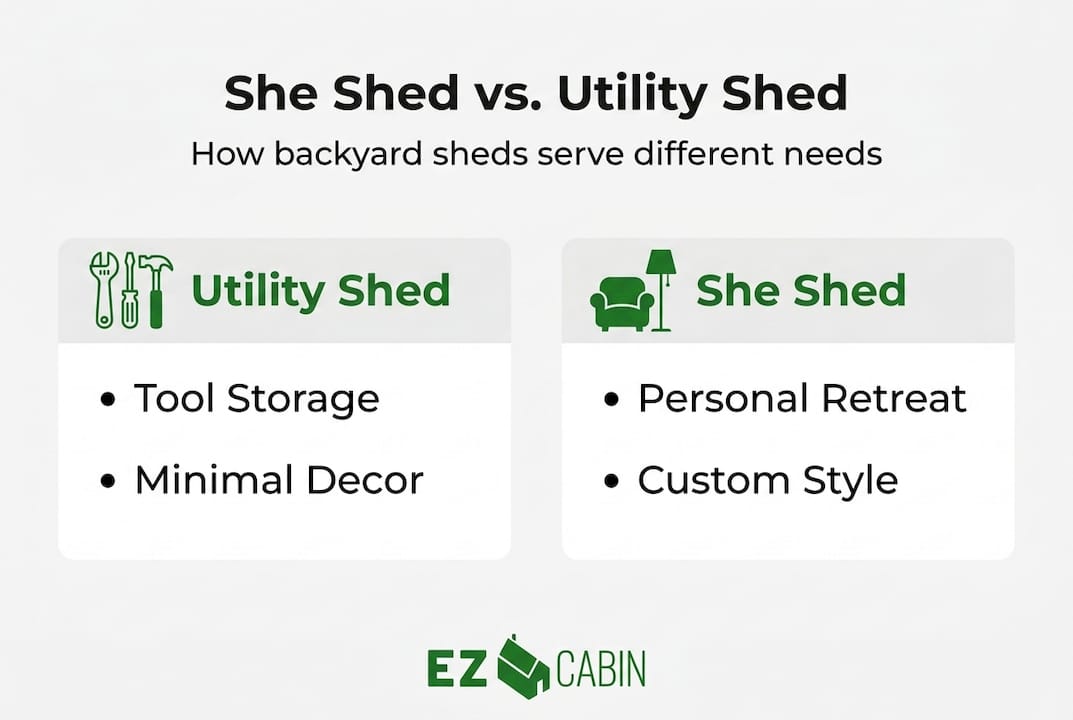
Here is a quick breakdown of what most she sheds include versus a basic storage shed:
| Feature | She shed | Standard utility shed |
|---|---|---|
| Primary purpose | Personal retreat, hobbies | Storage, utility |
| Interior finish | Insulated walls, décor | Bare wood or metal |
| Climate control | Often yes | Rarely |
| Lighting | Thoughtfully placed | Basic or none |
| Customization level | High | Low |
| Emotional function | Solitude, creativity | Convenience |
"The she shed has become a genuine home improvement category because it gives people a physical space dedicated to who they are outside of their roles at home." This shift in thinking is what drives demand across Kentucky and Ohio neighborhoods.
She sheds are particularly popular in our region because both states have long traditions of backyard living. People here value outdoor spaces, whether it is a covered porch in Lexington or a workshop in Columbus. A she shed slots naturally into that culture.
For homeowners wondering how livable these structures can actually get, the livable sheds guide covers everything from full insulation packages to functional plumbing considerations specific to Kentucky and Ohio climates.
Comparing she sheds to other backyard structures
Once you understand the she shed concept, the next question is almost always: "How is this different from a man cave shed, a home office, or just a nice storage shed?" The differences matter because they affect how you plan, what you budget, and what you actually build.
She sheds distinguish themselves through "amenities for relaxation and hobbies," which sets them apart from generic utility buildings. But every backyard structure has its own personality:
- Storage sheds prioritize square footage for stuff. Shelving, hooks, and floor space for equipment. They are built for organization, not comfort.
- Man caves lean toward entertainment. Think big screens, mini fridges, gaming setups, and sound systems. They are social spaces, often designed to host friends rather than create solo focus.
- Home office sheds are productivity-first. Desk space, strong Wi-Fi connections, power outlets, and quiet acoustics matter most. They blur the line between professional and personal.
- She sheds center on the individual's personal interests, whether that is painting, journaling, yoga, crafting, or just sitting in silence without anyone needing something from you.
Here is a side-by-side comparison to make the differences concrete:
| Structure type | Main focus | Social or solo? | Typical amenities |
|---|---|---|---|
| Storage shed | Utility | Neither | Shelving, hooks |
| Man cave | Entertainment | Social | AV equipment, seating |
| Home office shed | Productivity | Solo | Desk, internet, lighting |
| She shed | Personal retreat | Solo | Comfort, décor, hobby tools |
You can explore how man cave sheds differ from she sheds in more detail if your household needs both. Similarly, home office sheds serve a very different function when work-from-home productivity is the priority. And if you are still debating whether a shed or full garage structure makes more sense for your property, the shed vs garage comparison lays out the tradeoffs clearly.
Pro Tip: Before committing to any backyard structure, write down the three main things you want to do inside it. That simple exercise will immediately clarify whether you need a she shed, a home office, or something else entirely.
One important reality: many homeowners in Kentucky and Ohio start with a she shed and discover it becomes their most-used space on the property. The privacy factor alone makes it worth planning carefully.
Planning and building a she shed in Kentucky and Ohio
Knowing what you want is only half the battle. The other half is understanding what your city, county, or HOA will actually allow. This is where a lot of homeowners run into surprise roadblocks.
Permits and zoning rules are triggered by size, hookups, and permanence, regardless of what you call the structure. The label "she shed" carries zero legal weight. What matters to your local building department is square footage, whether you plan to add electricity or plumbing, and whether the structure sits on a permanent foundation.
Here is a general breakdown of what typically triggers permit requirements in Kentucky and Ohio:
| Trigger | Detail |
|---|---|
| Structure size | Usually over 100 to 200 sq ft (varies by jurisdiction) |
| Electrical wiring | Any permanent wiring requires permit |
| Plumbing | Any water connection requires permit |
| Foundation type | Permanent footings often require permit |
| HOA rules | May restrict size, color, and placement regardless of permits |
Before you pour money into a design, check with your local zoning office. In Ohio, regulations vary significantly between rural townships and city limits. In Kentucky, municipalities like Lexington, Louisville, and Somerset all have their own specific setback rules, which determine how far your structure must sit from property lines.
Here is a practical order of operations for planning your she shed:
- Check your HOA documents first if you live in a planned community. Some HOAs restrict visible outbuildings entirely.
- Contact your local zoning office to confirm size limits and setback requirements for your specific parcel.
- Decide on your foundation type before finalizing your size. A gravel pad, concrete slab, or concrete blocks all have different permit implications.
- Plan for utilities early because adding electricity later is far more expensive than running conduit during initial construction.
- Choose materials suited to your climate. Kentucky and Ohio both see hot summers and cold winters, so proper insulation is not optional for a comfortable year-round retreat.
Custom design, durable materials, and amenities increase both comfort and long-term value. Investing in quality exterior siding and roofing upfront saves money on repairs within the first five years.
The shed setup guide for KY and OH walks through each stage of the physical setup process in detail. If construction terminology feels overwhelming, the shed construction terms guide defines every term you will encounter. For a broader overview of affordable options in the region, shed solutions for KY and OH homeowners is worth bookmarking. And when it is time to schedule delivery and placement, the shed installation guide for 2026 covers site preparation in practical terms.
Personalizing your she shed: Design ideas and uses
With permits and planning handled, the genuinely fun part begins. This is where your she shed stops being a structure and starts being your space.
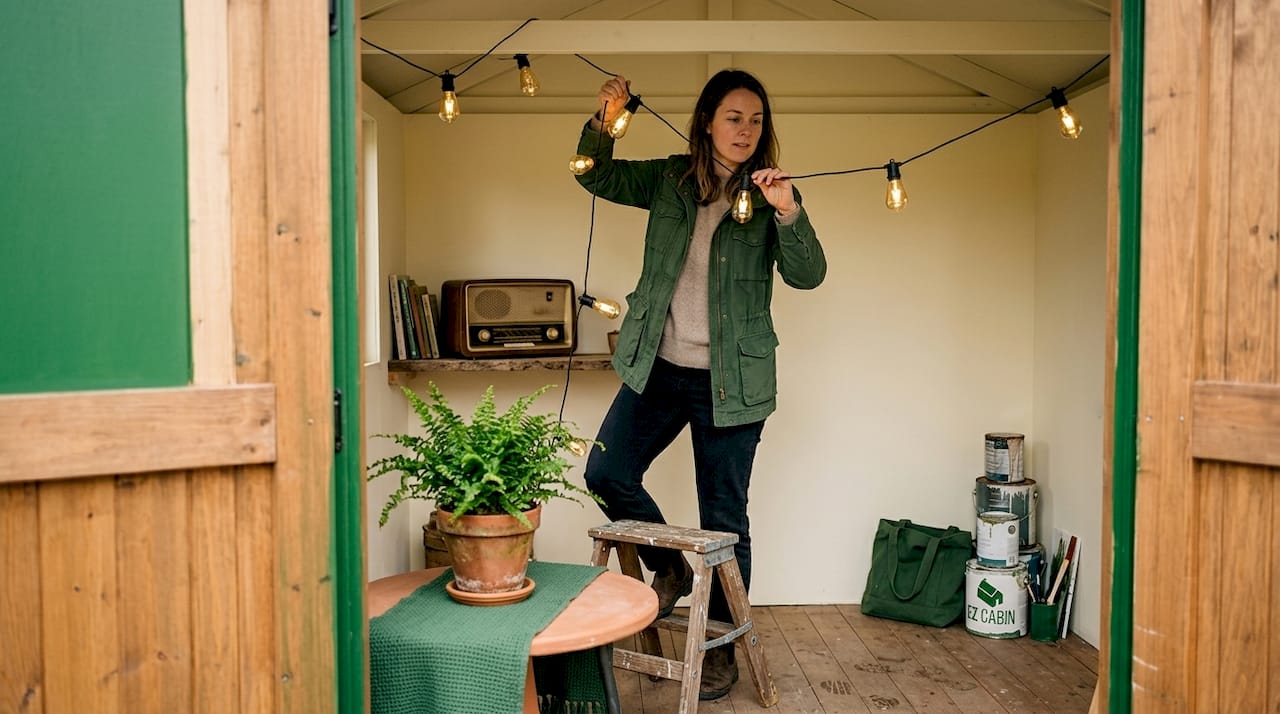
She sheds can be customized for a wide range of hobbies, creative work, or pure relaxation, including fitness, art, reading, and gardening. The variety is part of why the concept resonates so strongly with homeowners who feel their personal interests always come last in shared family spaces.
Popular uses for she sheds in Kentucky and Ohio include:
- Art and craft studios with good natural light, storage for supplies, and easy-clean flooring
- Reading and meditation rooms with comfortable seating, soft lighting, and sound insulation
- Fitness and yoga spaces with rubber flooring, mirrors, and ventilation
- Garden potting rooms with a sink, workbench, and outdoor-adjacent door placement
- Small business studios for photography, coaching, or product creation
If you already own a standard shed on your property, converting it is often faster and more affordable than starting fresh. The shed to tiny home conversion guide applies many of the same principles to shed upgrades, including insulation retrofits and interior finishing.
Here is a step-by-step approach to converting an existing shed into a she shed:
- Assess structural condition. Check the roof, floor, and framing before spending money on interior upgrades.
- Install insulation. Spray foam or rigid foam board works well for small structures and handles Kentucky/Ohio humidity better than batt insulation in most cases.
- Run electrical. Even a single circuit for lighting and a few outlets transforms the space.
- Finish the walls. Shiplap, beadboard paneling, or even painted plywood adds warmth and character without major cost.
- Add climate control. A small mini-split unit or a wall-mounted electric heater keeps the space usable year-round.
- Personalize with purpose. Build or buy storage tailored to your specific hobby, then layer in lighting, textiles, and décor.
Pro Tip: Natural light makes the biggest difference in small spaces. If your existing shed has limited windows, adding even one well-placed window on a south or east-facing wall will transform how the space feels during morning and afternoon hours.
"The most successful she sheds are not the most expensive ones. They are the ones where every design decision was made with a specific person and a specific activity in mind."
That mindset is what separates a genuinely restful retreat from a space that sits unused after six months.
Why the she shed boom is more than a trend: What KY & OH homeowners miss
We have helped a lot of customers in Kentucky and Ohio plan backyard buildings, and the she shed category reveals something interesting about how people relate to their homes. The desire for a dedicated personal space is not a passing trend or a home improvement show gimmick. It reflects something real about how households actually function.
Most people who live with partners, kids, or roommates navigate a constant low-level negotiation for space and quiet. The kitchen table gets used for homework. The living room belongs to whoever controls the remote. The bedroom is supposed to be restful but rarely feels that way. A she shed solves this problem at the root by giving one person an uncontested room of their own outside the main home.
What most homeowners overlook, though, is the gap between the Instagram version of a she shed and the real-world version. The pretty photos skip the part where you need to confirm setback distances with your county zoning office, winterize your plumbing connections before the first freeze, or decide whether your HOA's color palette restrictions apply to outbuildings. These details are not exciting, but skipping them is how a she shed project turns into an expensive headache.
The other common mistake we see is treating the she shed as a resale investment. Some buyers assume a well-finished she shed will significantly raise their home's appraised value. The truth is more nuanced. A high-quality structure on a proper foundation with electrical service adds real value. A lightly converted garden shed with no utilities adds far less. The better frame for thinking about your she shed is lifestyle return, not financial return. If you use the space four days a week and it becomes the place where you actually practice your hobby, sleep better, manage stress, and protect an hour of personal time every day, that is a return on investment that no appraiser can capture.
Livable sheds in KY and OH increasingly reflect this shift in perspective. Homeowners are choosing better insulation, more comfortable interiors, and utility connections because they plan to use the space seriously, not just occasionally.
The she shed boom continues because the underlying need is real. Give it the planning it deserves, and the results speak for themselves.
Ready to create your own she shed?
Feeling inspired to finally claim a space of your own? EZ-Cabin makes the process straightforward for Kentucky and Ohio homeowners, whether you are starting from scratch or upgrading an existing structure.
You can shop backyard buildings directly through our website and filter by size, style, and features to find the right fit for your property. Our AI-powered tool lets you build your own shed in real time, adjusting exterior colors, window placement, doors, and interior layouts before you commit. And if budget is a concern, our shed financing options require no credit check, just your first month's payment to get started. Most buildings are delivered within 1 to 4 weeks, so your she shed does not have to stay a plan for long.
Frequently asked questions
Does building a she shed require a permit in Kentucky or Ohio?
Permits are usually required if your she shed exceeds local size limits, includes electrical wiring or plumbing, or sits on a permanent foundation. Always check with your local zoning office before starting.
Can I convert an ordinary shed into a she shed?
Yes, most existing sheds can be adapted for she shed uses by adding insulation, interior finishes, electrical service, and personal décor tailored to your hobbies.
How much does it cost to build a she shed?
Costs range from a few thousand dollars for basic conversions to tens of thousands for premium, insulated builds with climate control and full amenities. Your specific budget depends on size, site work, and utility needs.
Are she sheds only for women?
The concept centers on personal retreat and privacy, so while the name references women's preferences, anyone who wants a dedicated backyard space for hobbies or relaxation can benefit from the same design approach.
What amenities are popular inside she sheds?
Popular amenities include comfortable seating, layered lighting, climate control, built-in or modular storage, and décor chosen specifically around the owner's hobbies or relaxation goals.