
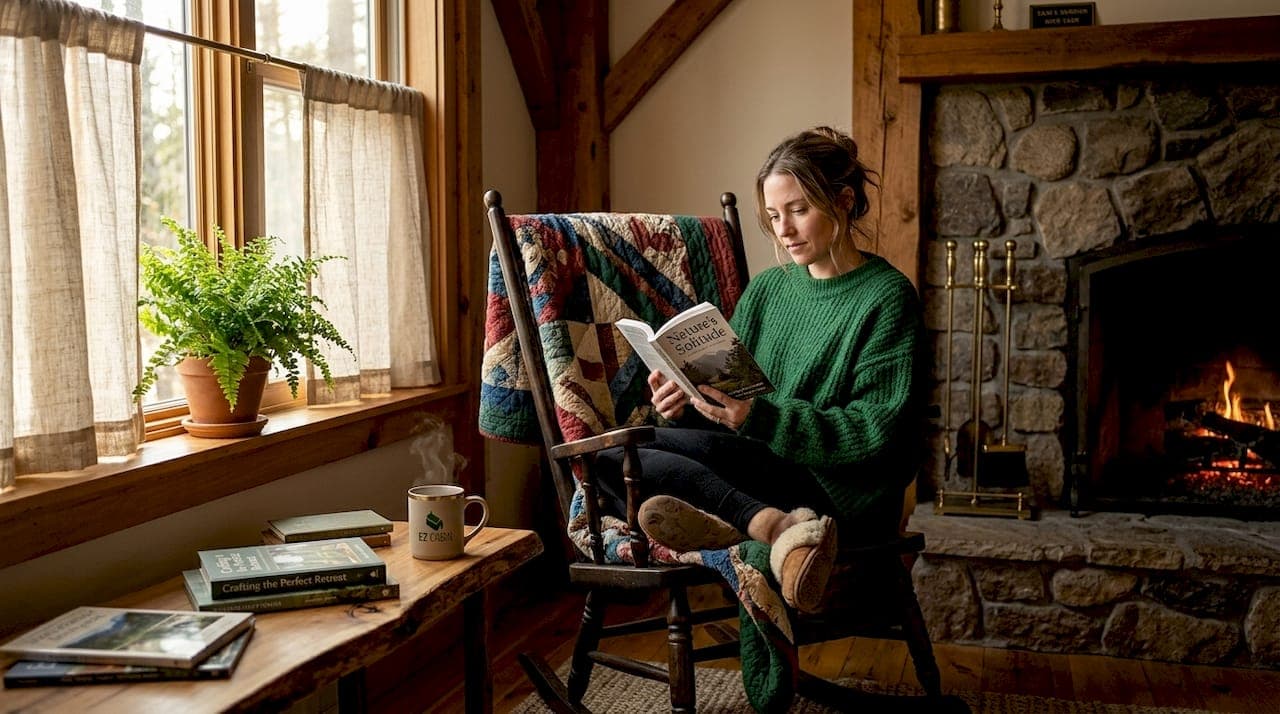
TL;DR:
- Many people seek cabin living to escape high rent, noise, and stress, benefiting from nature's healing effects. It offers lower costs, natural energy efficiency, and a slower, more private lifestyle, enhancing mental and physical health. However, planning for maintenance, seasonal access, and limited connectivity is essential for sustainable off-grid living.
Most people dreaming about a quieter life aren't chasing a fantasy. They're running from real problems: high rent, constant noise, chronic stress, and a lifestyle that feels borrowed rather than chosen. The benefits of cabin living speak directly to those problems with real, measurable solutions. Whether you're eyeing a rural property in Kentucky, a wooded lot in Ohio, or just starting to explore what this kind of life could look like, this guide breaks down exactly what you stand to gain, and what to realistically expect.
Table of Contents
- Key takeaways
- 1. The mental health benefits of cabin living are backed by science
- 2. Physical activity becomes a natural part of daily life
- 3. Lower costs compared to conventional housing
- 4. Energy efficiency through natural design
- 5. Privacy and a slower pace of life
- 6. Cleaner air and a healthier microbiome
- 7. Real challenges to plan for
- 8. Cabin living versus traditional housing: a direct comparison
- My honest take on cabin living
- Ready to make cabin living your reality?
- FAQ
Key takeaways
| Point | Details |
|---|---|
| Nature heals, measurably | Green space exposure near your home can cut depression risk by up to 18%, backed by large-scale research. |
| Cabin costs beat traditional housing | Off-grid cabins can start around $50,000 total setup, far below the median American home price. |
| Lifestyle quality rises sharply | Privacy, slower pace, and sensory richness create conditions urban living rarely provides. |
| Challenges are manageable | Maintenance and seasonal logistics are real, but planning and modern design keep them in check. |
| Financing is now accessible | Options like no-credit-check rent-to-own have made cabin ownership reachable for more people than ever. |
1. The mental health benefits of cabin living are backed by science
This isn't just a feel-good claim. Research on green space and depression risk found that higher residential nature exposure within 1,000 meters associates with a 15.8% to 18.2% lower depression risk, based on a study following over 21,000 people for more than 12 years. That kind of proximity to trees, fields, and open sky matters more than most people realize.
When you live in or near a cabin, that exposure isn't a weekend bonus. It's your daily baseline. Morning walks, open windows, unobstructed skies, and the sound of actual wind instead of traffic create a fundamentally different mental environment.
Beyond depression, nature reduces self-reported pain by about 1.08 points on a 10-point scale, according to a meta-analysis. That matters for anyone dealing with chronic discomfort or stress-related physical symptoms. Living in green surroundings may even reduce opioid needs as a complementary approach to pain management.
Pro Tip: If you're considering part-time cabin living, research shows that virtual nature exposure of just 10 to 15 minutes can meaningfully reduce anxiety and stress between cabin visits, making the transition easier.
2. Physical activity becomes a natural part of daily life
Urban and suburban environments are designed for convenience, not movement. Cabin living flips that script. Chopping wood, tending a garden, hiking a property line, or simply walking to fetch water builds physical activity into your routine without a gym membership.
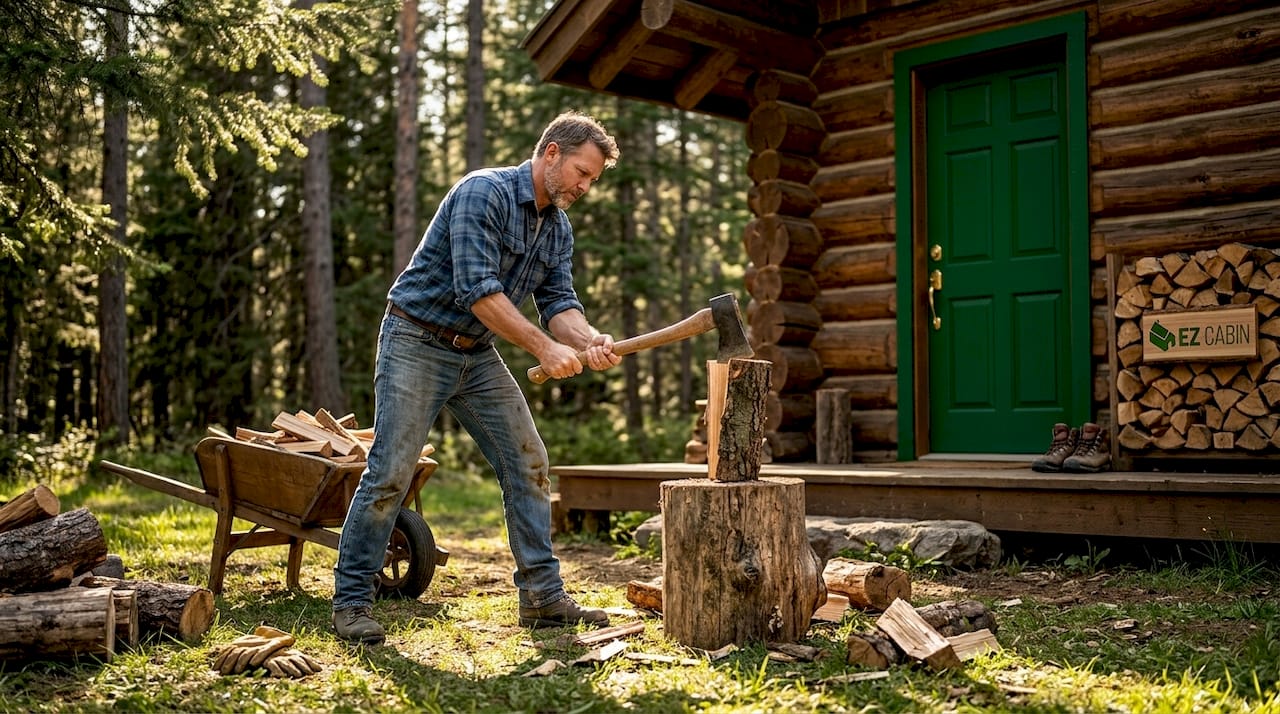
This matters more than it sounds. Only 25% of American women aged 18 to 44 meet both aerobic and muscle-strengthening activity recommendations, and men aren't dramatically better off. Rural cabin life creates natural movement incentives that structured exercise programs can't replicate.
Your body adapts. Within weeks of cabin life, people often report sleeping better, eating more intentionally, and feeling physically capable in ways they hadn't expected. The lifestyle does a lot of the work.
3. Lower costs compared to conventional housing
The financial case for cabin ownership is strong, especially for anyone priced out of the traditional housing market. Total setup costs for an off-grid cabin typically range from $50,000 to $120,000, including land, construction, solar, water, and sanitation systems. Compare that to the median U.S. home price now hovering above $400,000, and the math becomes compelling fast.
Recurring costs drop sharply too. No HOA fees, lower property taxes in rural areas, and dramatically reduced utility bills all compound over time. For people focused on long-term financial independence, the benefits of cabin ownership are less about luxury and more about margin.
| Category | Traditional home | Off-grid cabin |
|---|---|---|
| Purchase/build cost | $300,000 to $500,000+ | $30,000 to $70,000 |
| Monthly utilities | $200 to $400 | $30 to $80 (solar/well) |
| Property taxes | High (urban/suburban) | Lower (rural zoning) |
| HOA or fees | Common | Rarely applicable |
| Long-term flexibility | Limited by mortgage | Higher with ownership |
Pro Tip: Look into customizable cabin options that let you start small and add features over time. Building incrementally keeps upfront costs low while preserving future flexibility.
4. Energy efficiency through natural design
One of the most overlooked advantages of rustic homes, particularly log-style cabins, is their built-in thermal performance. Thick log walls provide natural insulation equivalent to R-10 to R-14. The thermal mass of the logs absorbs heat during the day and releases it slowly at night, reducing the demand on heating and cooling systems.
Pair that with modern solar panels, a rainwater collection system, and a wood stove, and you've got a home that can run on a fraction of the energy a conventional house requires. The environmental footprint shrinks alongside the monthly bill.
This matters for both your wallet and your values. Many people choosing cabin life do so partly because they want to consume less and live more deliberately. The structure itself supports that goal.
5. Privacy and a slower pace of life
Cabin lifestyle advantages are most tangible here. You wake up without car alarms. Your nearest neighbor might be a quarter mile away. Nobody knocks unless they mean it. The silence isn't absence; it's presence. You hear your own thoughts clearly, maybe for the first time in years.
The slower pace isn't laziness. It's a recalibration. Without the ambient urgency of city life, people often find they make better decisions, feel less reactive, and experience time differently. Hours feel longer in the best possible way.
Living in a cabin also reconnects you with seasonal rhythms. You notice when the leaves change, when the frost comes, when the light shifts. These aren't poetic observations. They're real anchors to the present moment that urban environments strip away.
- Wake without artificial noise or light pollution
- Make decisions without constant external stimulation
- Experience genuine privacy without effort
- Reconnect with seasonal and natural rhythms
- Create space for hobbies, creativity, and reflection
6. Cleaner air and a healthier microbiome
Air quality in cities and suburbs is a chronic, low-grade health problem most people stop noticing. Rural cabin settings flip that. Fresh air, lower particulate matter, and proximity to forests and fields create a respiratory environment your lungs genuinely prefer.
There's a deeper biological layer here too. Research shows that contact with natural microbiota from rural and green environments is linked to healthier microbiome signatures and improved pain outcomes. Your gut and immune system respond to where you live. Cabin environments offer a microbial richness that sterile, paved environments simply don't.
This is one of the living in a cabin benefits that rarely makes the top of most lists but may matter most to long-term health.
7. Real challenges to plan for
Cabin living perks are real, but so are the demands. Going in with clear eyes is what separates people who thrive from those who retreat. Here are the challenges worth planning for:
- Maintenance requirements. Log and wood-based structures need regular sealing, staining, and weatherproofing. Pest management is also more hands-on than in a suburban home.
- Seasonal access. Roads to rural properties can become difficult in winter. Planning for this with proper vehicles and stocked supplies is non-negotiable.
- Utility systems. Solar panels, wells, and septic systems all have lifecycles and maintenance needs. Modern off-grid design rewards systems thinking and deliberate planning, not improvisation.
- Initial investment complexity. Even at lower price points, financing land, construction, and utilities simultaneously requires coordination and budgeting clarity.
- Internet and connectivity. Remote locations often have limited broadband. Satellite options exist but add cost and complexity.
None of these are dealbreakers. They're just real considerations that reward preparation. If you're exploring an off-grid cabin build in Kentucky or Ohio, knowing these variables upfront saves significant frustration.
8. Cabin living versus traditional housing: a direct comparison
When you line up the benefits of rural homes against conventional housing, certain patterns emerge. Cabins win clearly on cost, privacy, environmental impact, and lifestyle quality. Traditional homes win on resale markets, urban access, and established utility infrastructure.
| Category | Cabin living | Traditional housing |
|---|---|---|
| Mental health impact | High (nature proximity) | Moderate to low |
| Monthly costs | Low | High |
| Privacy | Excellent | Limited |
| Environmental footprint | Low (off-grid options) | Moderate to high |
| Maintenance complexity | Moderate | Lower (outsourced) |
| Long-term flexibility | High | Mortgage-dependent |
Cabin ownership makes the most sense for people who prioritize independence, health, and financial margin over proximity to city amenities. It also works powerfully as a secondary property, a creative retreat, or a stepping stone toward full rural relocation.
- Best fit: remote workers, retirees, nature enthusiasts, and budget-conscious buyers
- Strong secondary use: weekend retreats, short-term rental income, artist studios
- Common misconception: that cabins are rough or uncomfortable by nature. Modern tiny cabin models offer full insulation, plumbing, and design quality that rivals conventional homes.
My honest take on cabin living
I've spent a lot of time looking at why people pursue cabin life and why some of them turn back. The ones who stay share one trait: they understood that the benefits of cabin living don't arrive automatically. They come from choosing a different relationship with your time, your space, and your resources.
What I find most compelling is how cabins work as lifestyle catalysts. People don't just move to a cabin. They start sleeping better, cooking more, reading again, calling people they care about. The structure of cabin life creates conditions where good habits form naturally, because the distractions that prevent them are simply gone.
I also think the wellness research is undersold. A 15% to 18% reduction in depression risk from where you choose to live is not a small number. That's a meaningful, measurable outcome from a single lifestyle decision. Most medications don't offer numbers like that.
The balance of freedom and responsibility is real. You own your systems, which means you also maintain them. But in my view, that tradeoff is one of the best things about cabin ownership. Competence feels good. Taking care of something you built or chose builds a kind of quiet confidence that's hard to get anywhere else.
— Team
Ready to make cabin living your reality?
If this article has you thinking seriously about making a move, Ez-cabin makes it easier than you might expect. Ez-cabin offers a wide range of cabin models across Kentucky and Ohio, with AI-powered customization tools that let you design your space in real time before you commit to anything.
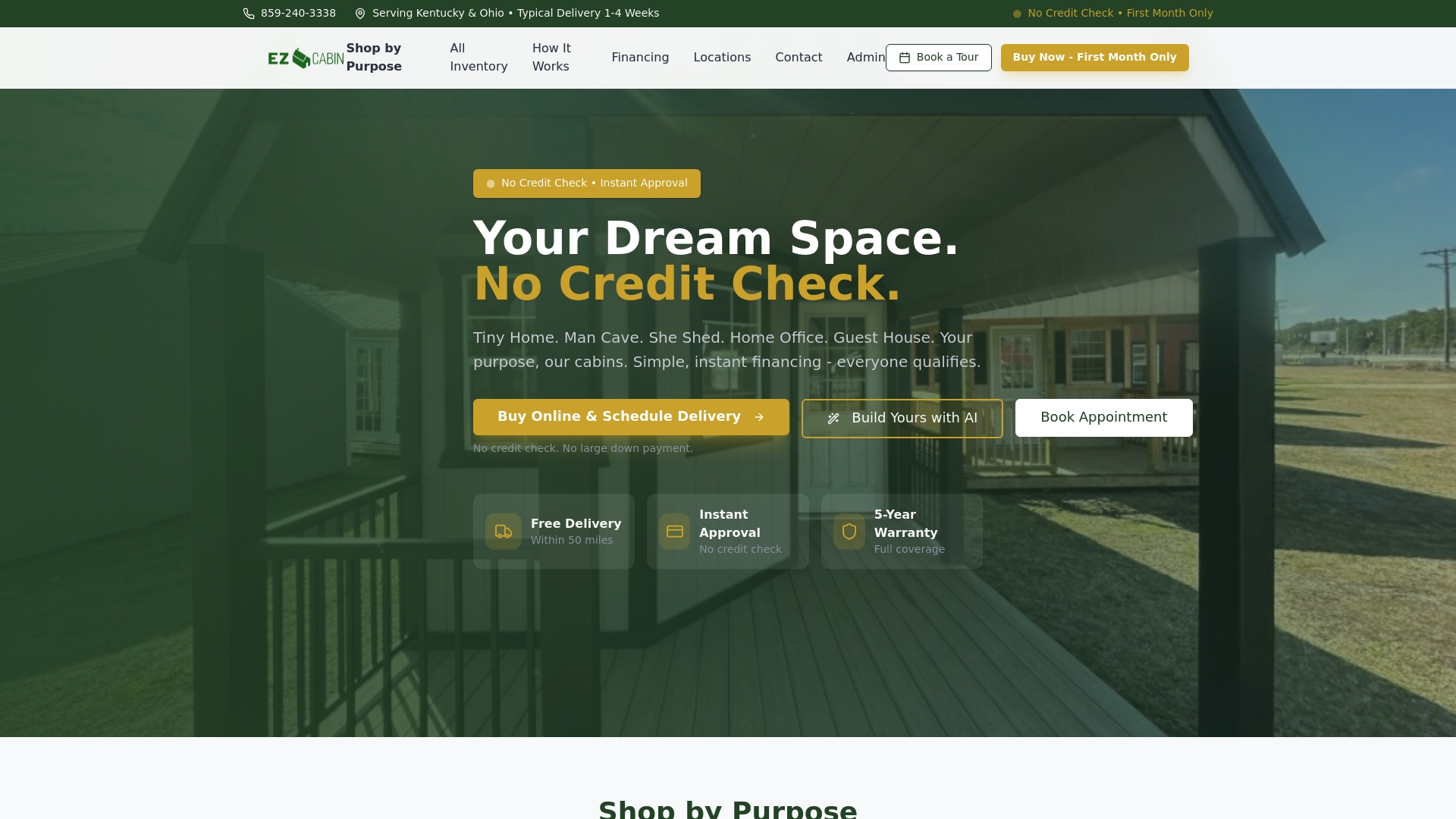
Financing is genuinely accessible. Ez-cabin's no credit check financing means you need only your first month's payment to get started, with guaranteed approval. No complicated paperwork, no long wait. Most buildings are delivered within one to four weeks. You can build your own cabin entirely online, adjusting layouts, colors, windows, and features until it fits exactly what you need. For those who want to see a cabin in person first, Ez-cabin's locations in London, KY and Somerset, KY are open and ready.
FAQ
What are the biggest health benefits of cabin living?
Research shows that proximity to green space can reduce depression risk by up to 18%. Combined with cleaner air, more physical activity, and lower stress, cabin living creates measurable physical and mental health improvements.
Is cabin living actually affordable compared to buying a house?
Yes. Off-grid cabin setups typically cost $50,000 to $120,000 total, including land and systems, compared to $300,000 or more for a conventional home. Monthly operating costs are also significantly lower, especially with solar and well water.
What are the main challenges of living in a cabin?
The top challenges include regular structural maintenance, seasonal road access, managing off-grid utility systems, and limited high-speed internet in some rural areas. Careful planning upfront addresses most of these effectively.
Can I live in a cabin full-time?
Absolutely. Many people live in cabins year-round with proper insulation, heating, water systems, and connectivity solutions in place. Modern cabin designs make full-time rural living comfortable and practical.
Do I need good credit to buy a cabin through Ez-cabin?
No. Ez-cabin offers guaranteed financing approval with no credit check required. You only need your first month's payment to get started, making cabin ownership accessible regardless of your credit history.