
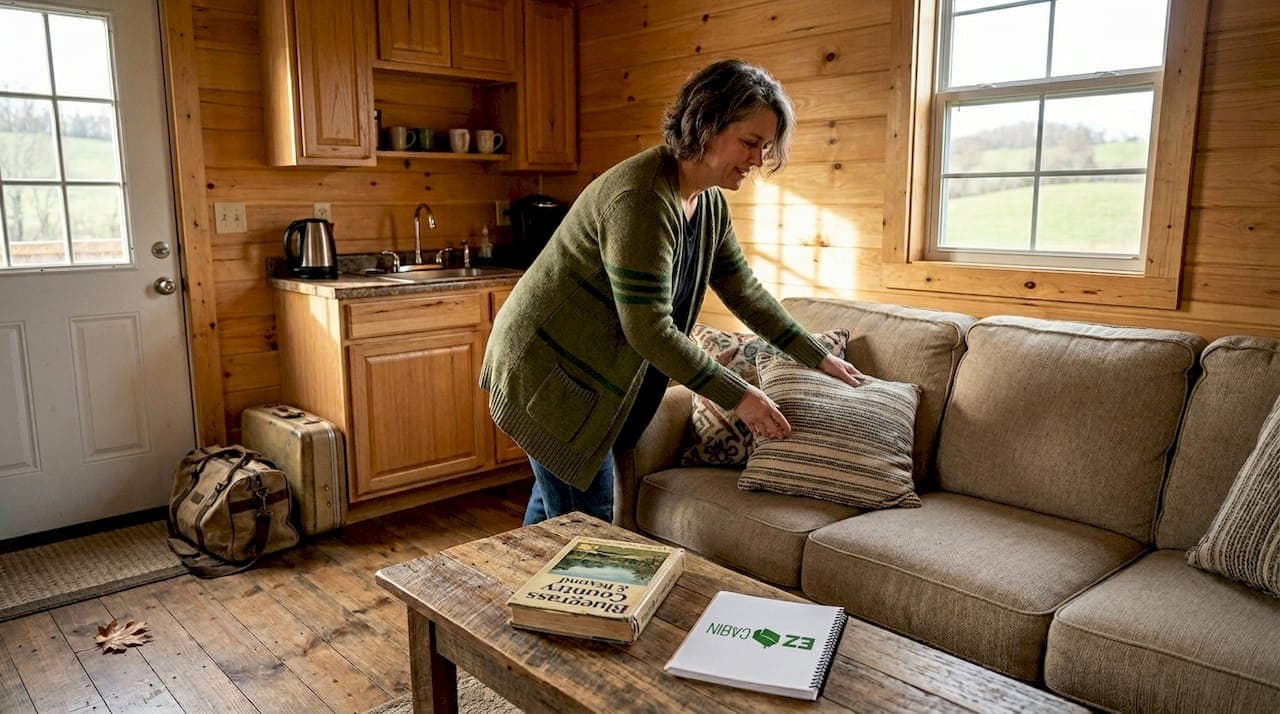
A single container home in Hocking Hills, Ohio, generates $7,000 monthly — far outstripping what most traditional Airbnb listings earn. Yet the majority of hosts in Kentucky and Ohio are still sleeping on portable buildings as serious income engines. This guide breaks down exactly why portable structures are reshaping short-term rentals across the region, which building types perform best, what legal hurdles you need to clear, and how to calculate your real return before you spend a dollar. If you want to run a high-performing Airbnb without the cost and timeline of traditional construction, keep reading.
Table of Contents
- Why portable buildings are redefining Airbnb hosting
- Types of portable buildings and their impact on guest experience
- Zoning, permits, and legal considerations in Kentucky and Ohio
- Calculating ROI and payback for portable Airbnb setups
- What most hosts get wrong — and how to unlock portable building potential
- Unlock portable Airbnb success with EZ-Cabin
- Frequently asked questions
Key Takeaways
| Point | Details |
|---|---|
| High occupancy rates | Portable Airbnbs in Kentucky and Ohio achieve 73–95% occupancy, especially in tourism hotspots. |
| Superior ROI | Unique builds cost less and drive 40–60% higher revenue per square foot than average rentals. |
| Legal diligence needed | Hosts must check local zoning, secure permits, and meet minimum building requirements before launching. |
| Guest-centric amenities | Upgrades like hot tubs and WiFi can boost nightly rates by up to 35% and attract premium bookings. |
| Quick, flexible setup | Portable buildings are installed faster and with lower upfront costs, offering rapid entry into Airbnb hosting. |
Why portable buildings are redefining Airbnb hosting
Guests are tired of cookie-cutter hotel rooms and generic apartments. They want something they can photograph, share, and talk about. Portable buildings — from sleek container homes to cozy A-frame cabins — deliver exactly that kind of visual identity. That novelty translates directly into bookings.
The numbers back it up. Container homes in Ohio generate $7,000 or more per month, and A-frame portable cabins in Red River Gorge, Kentucky, hit 95% weekend occupancy during peak seasons. These are not outliers. They reflect a broader shift in what travelers value.
Here is a quick snapshot of how portable Airbnb setups compare to traditional rentals in the region:
| Metric | Portable building Airbnb | Traditional rental |
|---|---|---|
| Average monthly revenue | $3,500–$7,000+ | $1,200–$2,500 |
| Weekend occupancy (peak) | Up to 95% | 55–70% |
| Build timeline | 1–8 weeks | 6–18 months |
| Guest review appeal | Very high (unique stays) | Moderate |
What drives this performance? A few key factors stand out:
- Unique aesthetics attract guests who actively search for one-of-a-kind experiences
- Lower overhead means hosts reach profitability faster
- Faster setup lets you start earning within weeks, not months
- Flexibility allows relocation or reconfiguration if a site underperforms
Exploring the range of portable building types in KY and OH is a smart first step. You can also look at customizable cabin options if you want a structure that reflects a specific brand or aesthetic for your listing.
The bottom line: portable buildings are not a workaround. They are a competitive advantage.
Types of portable buildings and their impact on guest experience
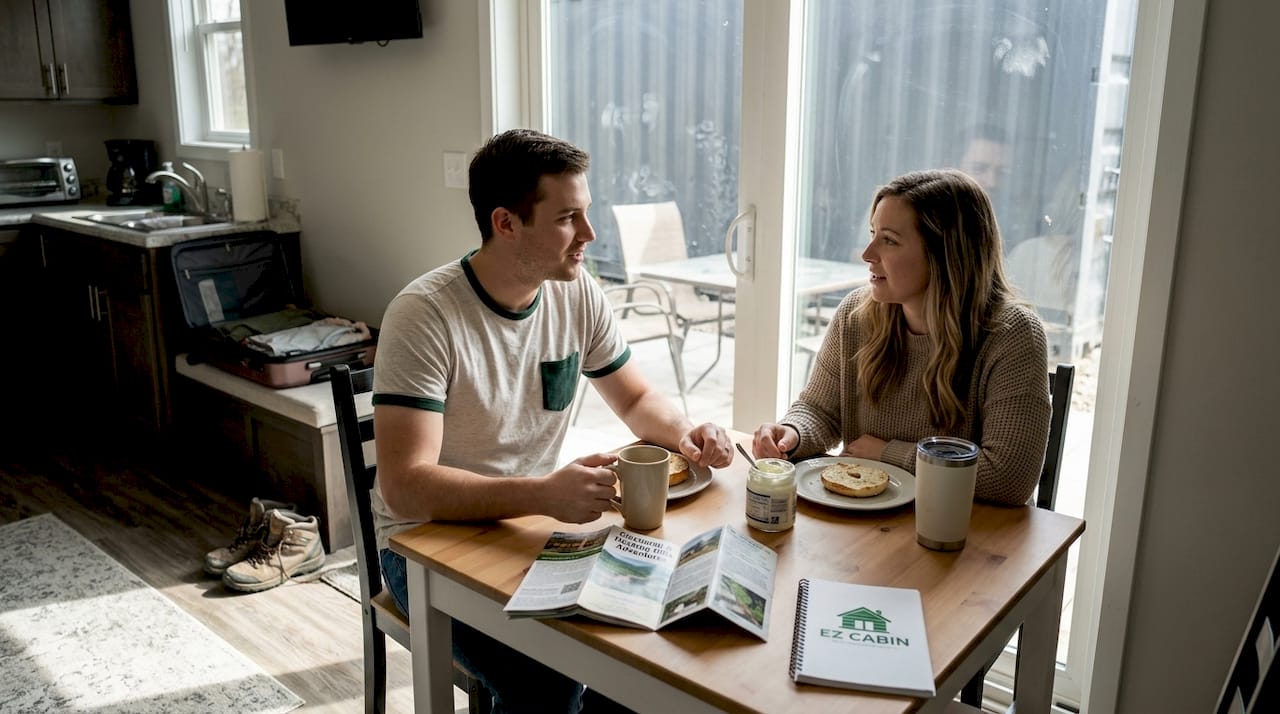
Not all portable buildings perform the same way as Airbnb rentals. The type you choose shapes your guest experience, your nightly rate, and your long-term occupancy. Here is how the most popular options stack up:
| Building type | Typical cost | Guest capacity | Avg. nightly rate |
|---|---|---|---|
| Container home | $25,000–$80,000 | 2–6 guests | $150–$350 |
| A-frame cabin | $18,000–$55,000 | 2–4 guests | $120–$280 |
| Park model cabin | $30,000–$70,000 | 4–8 guests | $175–$400 |
| Tiny home | $20,000–$60,000 | 2–4 guests | $110–$250 |
Custom cabin setups in Red River Gorge and park models in Ohio show that the right amenities push occupancy well above regional averages. Hot tubs, high-speed WiFi, and outdoor showers are not luxury add-ons — they are booking drivers.
The features guests mention most in five-star reviews include:
- Hot tub or soaking tub (mentioned in over 60% of top-rated portable Airbnb reviews)
- High-speed WiFi for remote workers and families
- Covered outdoor space like a deck or porch
- Thoughtful interior design with local or natural materials
- Privacy and natural surroundings
Understanding cabin value in KY and OH helps you match the right structure to your land and guest target. For budget planning, reviewing small building cost ideas gives you a realistic picture of what different builds actually cost in 2026.
Pro Tip: Spend 10–15% of your total build budget on interior design and outdoor flow. Guests decide whether to book based on photos, and a well-staged exterior with string lights, a fire pit, and a clean deck can add $30–$60 per night to your rate.
Zoning, permits, and legal considerations in Kentucky and Ohio
This is where many hosts make expensive mistakes. Skipping the legal groundwork can result in fines, forced removal of your structure, or a listing that gets flagged and shut down. The rules vary significantly by county and city, so there is no single answer that covers all of Kentucky and Ohio.
Here is a practical checklist of what to verify before you invest:
- Zoning classification — Is your land zoned for short-term rental use? Residential, agricultural, and commercial zones each have different rules.
- Minimum square footage — Some counties require a minimum floor area for habitable structures.
- Setback requirements — How far must your building sit from property lines, roads, and water sources?
- Utility connections — Do you need to connect to public water and sewer, or are off-grid systems permitted?
- STR license or permit — Many cities now require a specific short-term rental operating permit.
- HOA restrictions — If your land is in a planned community, association rules may override local zoning.
"Regulations for portable and accessory structures vary widely across Kentucky counties. Hosts must verify local zoning, minimum size requirements, and permit obligations before placing any structure intended for occupancy." — ADU laws in Kentucky
In Louisville specifically, minimum building size and conditional permits apply to tiny homes and accessory structures. What is allowed in a rural Laurel County property may be completely different from what Jefferson County permits.
The good news: most portable building setups can be made compliant with the right planning. Learning about financing portable buildings in KY and OH alongside permit requirements helps you budget accurately. A solid building permit guide can also walk you through the process step by step.
Calculating ROI and payback for portable Airbnb setups
The financial case for portable Airbnb buildings is strong — but only if you run the numbers honestly. Here is how the math typically works in Kentucky and Ohio markets.
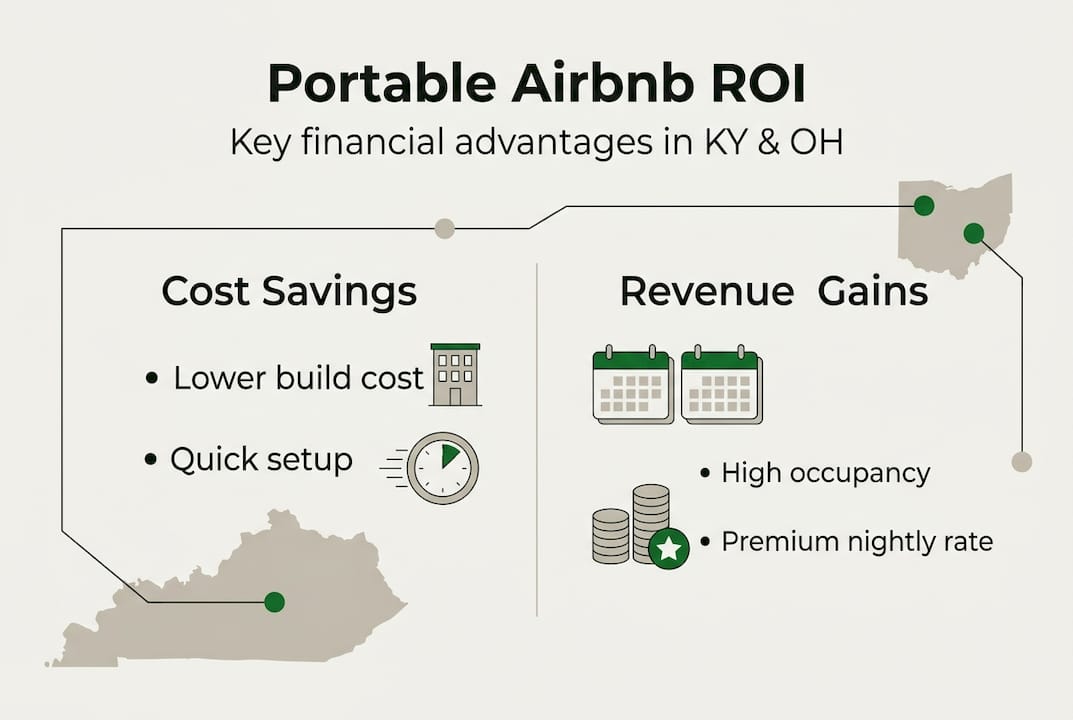
Portable builds cost 15–25% less than traditional construction and can yield 40–60% higher revenue per square foot than average short-term rentals. That combination creates a faster payback window than most hosts expect.
Sample ROI scenario for a mid-range cabin in a tourism area:
| Item | Amount |
|---|---|
| Total build cost | $45,000 |
| Average nightly rate | $195 |
| Monthly occupancy (65%) | 20 nights |
| Monthly gross revenue | $3,900 |
| Monthly expenses (platform, utilities, cleaning) | $800 |
| Monthly net income | $3,100 |
| Payback period | ~15 months |
Here is how to improve those numbers:
- Add a hot tub — Hot tubs add 25–35% to nightly rates and typically pay back their cost within two years.
- Target high-demand weekends — Holidays, fall foliage season, and local events in Kentucky and Ohio drive surge pricing opportunities.
- Optimize your listing photos — Professional photography increases click-through rates and conversion.
- Offer longer minimum stays — A three-night minimum reduces turnover costs and boosts monthly net income.
Reviewing prefab shed benefits can reveal lower-cost entry points if you are working with a tighter budget. For hosts thinking about storage and functionality alongside guest space, tiny home storage solutions offer practical ideas that keep your build lean and efficient.
Pro Tip: Run your ROI calculation at 50% occupancy, not your target rate. If the numbers still work at half capacity, your investment is solid. If they only work at 80% occupancy, you are taking on more risk than you realize.
What most hosts get wrong — and how to unlock portable building potential
Here is the uncomfortable truth most Airbnb guides skip: the majority of hosts who underperform with portable buildings do not have a building problem. They have a location and amenity problem.
We see it repeatedly. A host invests in a well-built cabin but places it on a property with no natural appeal, no privacy, and no proximity to a tourism draw. Then they wonder why bookings are slow. The building is not the product. The experience is the product, and the building is just the container.
The hosts who consistently outperform — like those running cabins near Red River Gorge — choose their site before they choose their structure. They identify what guests in their target market are searching for, then build backward from that experience.
Ignoring permits is the second most common mistake. It feels like a shortcut until a neighbor complains or a county inspector shows up. The fines and forced removal costs can wipe out six months of profit overnight.
Our advice: treat your portable Airbnb like a hospitality business, not a side project. Invest in the experience. Understand the common misconceptions about portable buildings before you commit. The hosts who do this consistently earn more, get better reviews, and build scalable rental portfolios.
Unlock portable Airbnb success with EZ-Cabin
If you are ready to turn a portable building into a high-performing Airbnb, EZ-Cabin makes the process straightforward. We serve hosts across Kentucky and Ohio with a full lineup of cabins, tiny homes, and modular structures built for guest-ready setups.
You can explore portable Airbnb use cases to see how other hosts are using our buildings, then use our AI-powered customization tool to design your ideal layout before buying. Need financing? Our portable building financing program requires no credit check and only the first month's payment to get started. When you are ready, secure your building and we will handle delivery within one to four weeks. No dealership runaround, no hidden fees.
Frequently asked questions
What zoning rules affect portable Airbnb rentals in Kentucky and Ohio?
KY counties and Louisville require minimum square footage, setback compliance, and permits for habitable accessory structures. Always check your specific city or county rules before placing a building intended for short-term rental.
How much does a portable building Airbnb earn compared to traditional rentals?
Successful portable Airbnbs in Kentucky and Ohio can earn $2,000 to $7,000 or more per month. Box Hop's container homes yield $7,000 monthly at 54% occupancy, and portable builds outperform traditional STRs by 40–60% in revenue per square foot.
What amenities increase portable Airbnb rental income?
Hot tubs raise nightly rates by 25–35%, and features like high-speed WiFi and indoor-outdoor flow consistently improve guest reviews and repeat bookings.
Are portable buildings quick to set up for Airbnb hosting?
Portable builds cost 15–25% less than traditional construction and can be installed far faster, though zoning approvals and site prep may add time depending on your location.
Can I finance a portable building for Airbnb in Ohio or Kentucky?
Yes. 73% of applicants are approved for portable building financing in KY and OH, with rent-to-own options available and no credit check required for qualified buyers.