
TL;DR:
- Modern sheds in Kentucky and Ohio serve as stylish, functional spaces like home offices, studios, and gyms, enhancing property value and curb appeal. Proper site prep, understanding local permits and zoning laws, and choosing adaptable features are crucial to long-term success. Working with local experts and planning for future needs ensures a resilient, compliant, and versatile backyard structure.
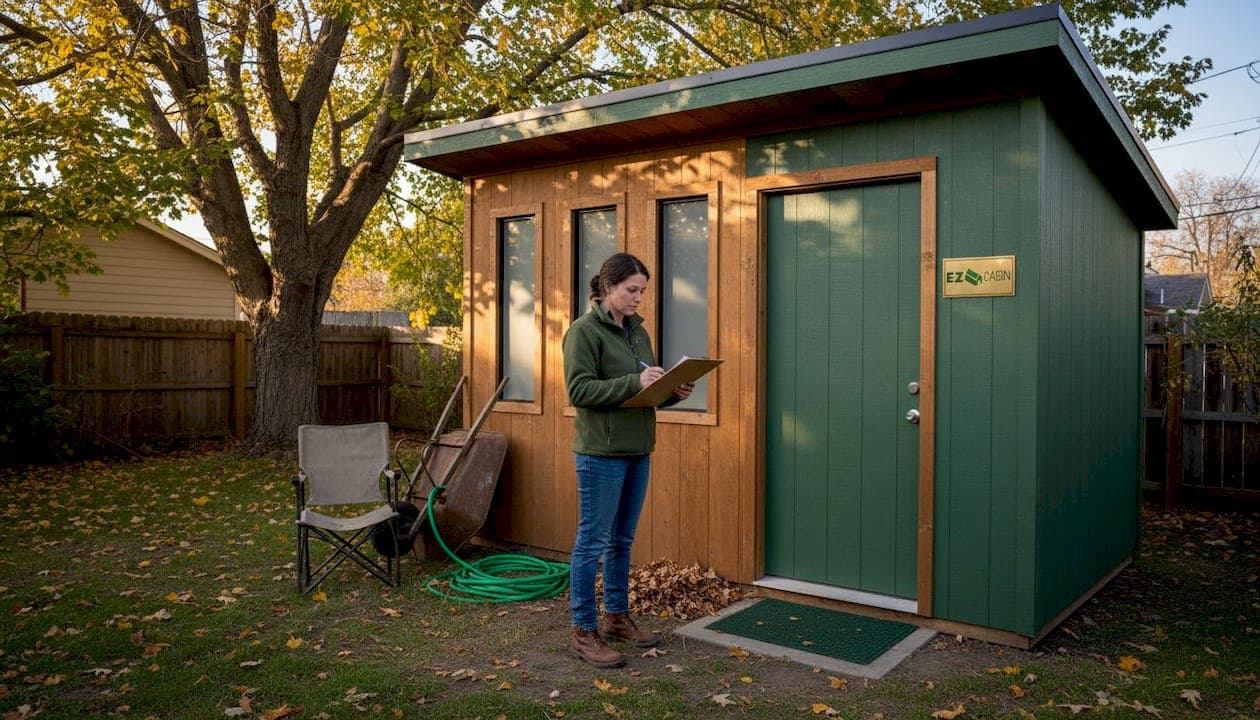
Most Kentucky and Ohio homeowners still picture a shed as a weathered wooden box crammed with rakes and lawn bags. That image is about 20 years out of date. Today's modern sheds double as quiet home offices, artist studios, gardening retreats, and backyard gyms, all while adding real curb appeal and property value. Whether you're a remote worker tired of kitchen table distractions, a gardener who wants a proper potting space, or a hobbyist dreaming of a dedicated workshop, this guide covers everything you need: what modern shed design actually means, the local rules that apply in Kentucky and Ohio, the features worth paying for, and how to avoid the costly mistakes that trip up first-time shed buyers.
Table of Contents
- What makes a shed 'modern'?
- Permits, zoning, and rules in Kentucky & Ohio
- Top modern shed design features for your needs
- DIY or pro install? Costs, tradeoffs, and tips
- Planning for flexibility and future value
- A practical perspective: What most shed guides don't tell you
- How to get started with your modern shed
- Frequently asked questions
Key Takeaways
| Point | Details |
|---|---|
| Modern shed features | Modern sheds offer flexible designs, high-end materials, and multipurpose uses for KY and OH homeowners. |
| Local rules matter | Permits, zoning, and HOA rules in Kentucky and Ohio can affect shed size, style, and location. |
| DIY vs. pro install | DIY sheds save money but risk compliance issues, while pro installs provide warranties and peace of mind. |
| Future-proof your shed | Choose adaptable, stylish designs to add lasting value and meet changing needs. |
| Foundation basics | Gravel pads are affordable for sheds; concrete offers more stability but costs more up front. |
What makes a shed 'modern'?
The word "modern" gets used loosely in home improvement conversations, so let's pin it down. A modern shed is a purposefully designed outbuilding that prioritizes function, style, and adaptability over basic storage. The structure is built to look and feel like a natural extension of your home, not an afterthought.
Modern shed benefits go far beyond simple storage, featuring architectural and functional upgrades that match the expectations of today's homeowners. Think double-pane windows that flood the interior with natural light, spray foam or batt insulation that keeps the space comfortable year-round, and exterior finishes that mirror your main house. These are not cosmetic extras; they are the foundation of a building you will actually use every single day.
Key features that separate a modern shed from a basic one include:
- Large windows and skylights for natural light and ventilation
- Insulation and vapor barriers that make the space seasonally livable
- Dedicated electrical rough-in for outlets, lighting, and HVAC options
- Custom exterior siding, trim, and paint to match home architecture
- Thoughtful floor plans with defined zones for work, storage, or relaxation
- Wide, accessible doors for moving equipment and furniture in and out
Popular uses in Kentucky and Ohio neighborhoods right now include home office shed types for remote workers, creative studios, fitness spaces, and dedicated she shed designs built for quiet personal retreats. Each of these uses has different layout priorities, which is why flexibility at the design stage matters so much.
Curb appeal is also a real consideration. A shed that clashes with your home's roofline, siding color, or window style drags down the visual value of your entire property. A matching or complementary design, on the other hand, can actually improve the first impression buyers get when they pull into your driveway.
Pro Tip: Design your shed for two or three possible uses from the start, not just one. A space built for gardening today can become a home office next year if you install electrical, adequate lighting, and climate control upfront.
Permits, zoning, and rules in Kentucky & Ohio
Before you browse floor plans or pick exterior colors, you need to understand the legal landscape. Rules vary by county, city, and neighborhood, and skipping this step is the single most common and expensive mistake shed buyers make.
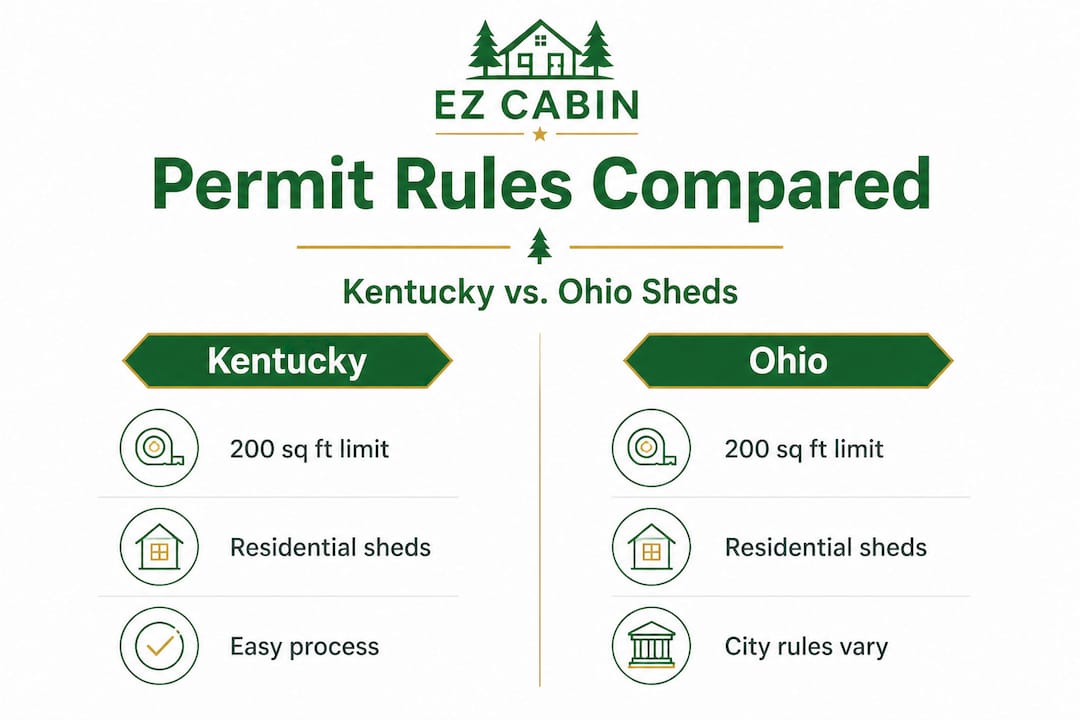
According to permit rules for KY/OH, Kentucky allows residential shed construction up to 200 square feet without a permit, while commercial thresholds fall at 120 square feet. Ohio mirrors the 200-square-foot residential exemption. However, both states require you to meet setback requirements, which are the minimum distances a structure must sit from your property lines, typically ranging from 5 to 15 feet depending on your county.
Here is a side-by-side look at the key requirements:
| Requirement | Kentucky | Ohio |
|---|---|---|
| Residential permit threshold | Under 200 sq ft | Under 200 sq ft |
| Commercial permit threshold | Under 120 sq ft | Varies by municipality |
| Typical setbacks | 5 to 15 ft from property lines | 5 to 15 ft from property lines |
| Frost depth for foundations | 18 to 24 inches | 24 to 32 inches |
| HOA restrictions | Style and size limits common | Style and size limits common |
Frost depth is worth paying attention to if you plan to add a permanent concrete foundation for a larger shed. Ohio sits in a colder zone, so foundations must be dug deeper to prevent frost heave, which is when frozen ground pushes structures upward over time. Kentucky requirements are slightly less demanding but still significant.
The most common stumbling blocks homeowners run into include:
- Placing a shed too close to a property line or easement
- Exceeding the square footage threshold and skipping the permit anyway
- Ignoring HOA rules that require exterior finishes to match the main home
- Adding plumbing or electrical without pulling the required sub-permits
"Local codes are not static. Counties in both Kentucky and Ohio have updated shed ordinances within the last few years. Always verify current rules with your local building department before you order, not after your shed is delivered."
Our full shed permit guide for KY/OH walks through county-specific nuances in detail. If you are considering a shed large enough to qualify as a livable structure, the compliance requirements increase significantly and it is smart to loop in a local contractor or code officer early in the process.
Top modern shed design features for your needs
Once you know your size and permit limits, the fun begins: choosing what goes inside and outside the structure. The right features depend almost entirely on how you plan to use the space.
Home office sheds are driving a huge portion of shed purchases in 2026, and flexibility is the main reason. Sheds are being used for everything from home offices to creative studios and backyard retreats, making customization a key factor at every stage of the purchase decision.

Here is a quick reference for matching features to use cases:
| Use Case | Must-Have Features | Nice-to-Have Upgrades |
|---|---|---|
| Gardening shed | Potting bench, sink rough-in, ventilation | Skylights, heated flooring |
| Home office | Insulation, electrical, strong internet path | Climate control, soundproofing |
| Workshop or hobby space | Wide doors, 200-amp sub-panel, durable flooring | Loft storage, ventilation fans |
| Recreational or man cave | HVAC, entertainment outlets, extra lighting | Wet bar rough-in, premium siding |
| Wellness or fitness | Rubber flooring, ventilation, mirrors | Mini-split HVAC, sound system |
To prioritize features without blowing your budget, follow these steps:
- Write down your primary use and the three things you absolutely need for it to work.
- Identify secondary uses you might want in three to five years.
- Lock in structural upgrades first — insulation, electrical rough-in, and floor framing are much harder to add later.
- Choose cosmetic finishes last — siding color and trim style can be adjusted at delivery or later.
- Get a firm quote in writing that specifies every included feature so there are no surprises on delivery day.
Pro Tip: Modular systems and buildings with pre-framed rough-ins for future electrical or plumbing upgrades let you start at a lower price point and grow into the space over time. It is far cheaper to rough in a circuit during the build than to retrofit one after the walls are closed.
DIY or pro install? Costs, tradeoffs, and tips
This is the question almost every shed buyer wrestles with. DIY kits look appealing because the upfront price is lower. Professional installation costs more initially but eliminates a long list of potential headaches.
Affordable shed options exist on both ends of the spectrum, but the real cost calculation goes beyond the purchase price. A solid shed foundation is the most underestimated part of the whole project. Gravel pads are the more affordable choice and work well for smaller structures, but they require periodic re-leveling as the gravel settles and shifts with freeze-thaw cycles over Ohio and Kentucky winters. Concrete piers or full slabs cost more upfront but stay put.
Common DIY pitfalls to avoid:
- Skipping the permit and discovering the structure must be moved or demolished
- Improper leveling that causes doors to stick and floors to flex
- Voided manufacturer warranties because installation did not follow spec
- Code violations for electrical work done without a licensed electrician
- Undersized foundations that shift in the first hard winter, cracking walls or misaligning doors
Pro install, on the other hand, ensures warranties and code compliance and usually comes with a delivery and setup guarantee. If anything is off after installation, the company is responsible for fixing it without additional cost to you.
Pro Tip: Before signing any purchase agreement, read the warranty carefully for DIY exclusions. Many manufacturers will not cover structural issues if the building was not installed by a certified crew or does not meet their foundation requirements.
You can find a detailed walkthrough of foundation prep and installation steps in our DIY shed setup guide, which covers what to expect at every stage whether you are doing the work yourself or overseeing a professional crew.
Planning for flexibility and future value
The best shed decisions are the ones that age well. Families grow, jobs change, and hobbies evolve. A structure that works only for one specific purpose right now may feel limiting within five years.
"A modern shed that matches your home's style and adapts to multiple uses will add more long-term value and avoid HOA conflicts more reliably than a cheap or visually jarring structure."
Follow these steps to make sure your shed investment holds up over time:
- Match the exterior to your home — roofline pitch, siding material, and color palette all matter to resale buyers and HOA boards alike.
- Size up slightly from your initial estimate — you will always find a use for a few extra square feet.
- Document everything — keep copies of your permit, site plan, and HOA approval in one folder.
- Reassess your use case every two to three years — needs shift and a small upgrade today is easier than a full renovation later.
- Choose a style that travels — portable buildings that meet code in your current county may also be relocatable if you move, protecting your investment.
Thinking of your shed as a backyard retreat from day one pays dividends. Designs that blur the line between functional outbuilding and livable backyard retreat tend to attract the highest buyer interest when it is time to sell, because they represent finished, usable square footage that a plain storage shed simply cannot match.
A practical perspective: What most shed guides don't tell you
Most shed buying guides focus on features and price. Very few talk honestly about regret. And the number one thing shed buyers in Kentucky and Ohio regret is moving too fast past the compliance and site prep steps to get to the fun part.
We have seen it repeatedly. A homeowner orders a shed, skips the permit because the structure is just under the threshold, and then discovers their HOA has its own rules that go beyond state law. The shed gets built. It looks nothing like the house. The HOA sends a violation letter. Now there is a choice between a costly makeover or moving the structure entirely. The upfront savings evaporate instantly.
There is also a subtler version of this problem: trend chasing. Every few years a new aesthetic takes over social media — barn doors, industrial black windows, reclaimed wood siding. These all look great in a photo. But investing in sheds with trendy finishes rather than timeless design often leads to structures that look dated within a decade and actively hurt curb appeal rather than improve it.
Our honest advice: choose a flexible design that complements your home's existing architecture, plan for more electrical capacity than you think you need, and spend the money on site prep. The pad and the foundation are invisible once the shed is delivered, but they determine whether the whole structure stays level, tight, and functional for 20 years or starts showing problems in year three.
Local expertise matters more than most buyers expect. A company that knows Kentucky frost lines, Ohio HOA norms, and county-by-county zoning nuances will save you real money and genuine frustration compared to ordering blind from a national retailer that has never set a building in your county.
How to get started with your modern shed
If you are ready to move from planning to purchasing, EZ-Cabin makes the process straightforward for Kentucky and Ohio homeowners. You can shop all available sheds and filter by size, style, and intended use, or head straight to the AI-powered tool to build your own shed from scratch, adjusting every detail in real time until it matches your vision exactly.
Financing should not be a barrier. EZ-Cabin offers guaranteed financing approval with no credit check required and only the first month's payment needed to get started. Most buildings are delivered within one to four weeks, and you can manage the entire process online or visit our showrooms in London, KY or Somerset, KY to see buildings in person before you commit.
Frequently asked questions
What size shed can I build without a permit in Kentucky or Ohio?
In Kentucky, residential sheds under 200 sq ft do not require a permit, while the commercial threshold is 120 square feet. Ohio also exempts residential structures under 200 square feet, but local zoning setbacks and HOA rules still apply regardless of permit status.
Do homeowners associations have the final say on shed design?
Yes, in most cases. HOAs frequently restrict shed size, style, and placement beyond what state law requires, so always get written approval before ordering to avoid costly modifications or removal.
Is a gravel shed pad enough for modern sheds?
Gravel pads are more affordable but need periodic re-leveling as the material settles through seasonal freeze-thaw cycles. For larger or insulated sheds, a concrete pier or slab foundation is a more stable long-term choice.
Which modern shed designs add the most value?
Sheds that match your home's style and can flex between uses — office, studio, retreat — consistently attract more buyer interest and avoid HOA friction compared to single-purpose or visually mismatched structures.
Can I add electricity or plumbing to my shed?
Yes, but both upgrades typically require separate permits and must follow all applicable state and local codes, including work performed by a licensed electrician or plumber depending on your county's requirements.